



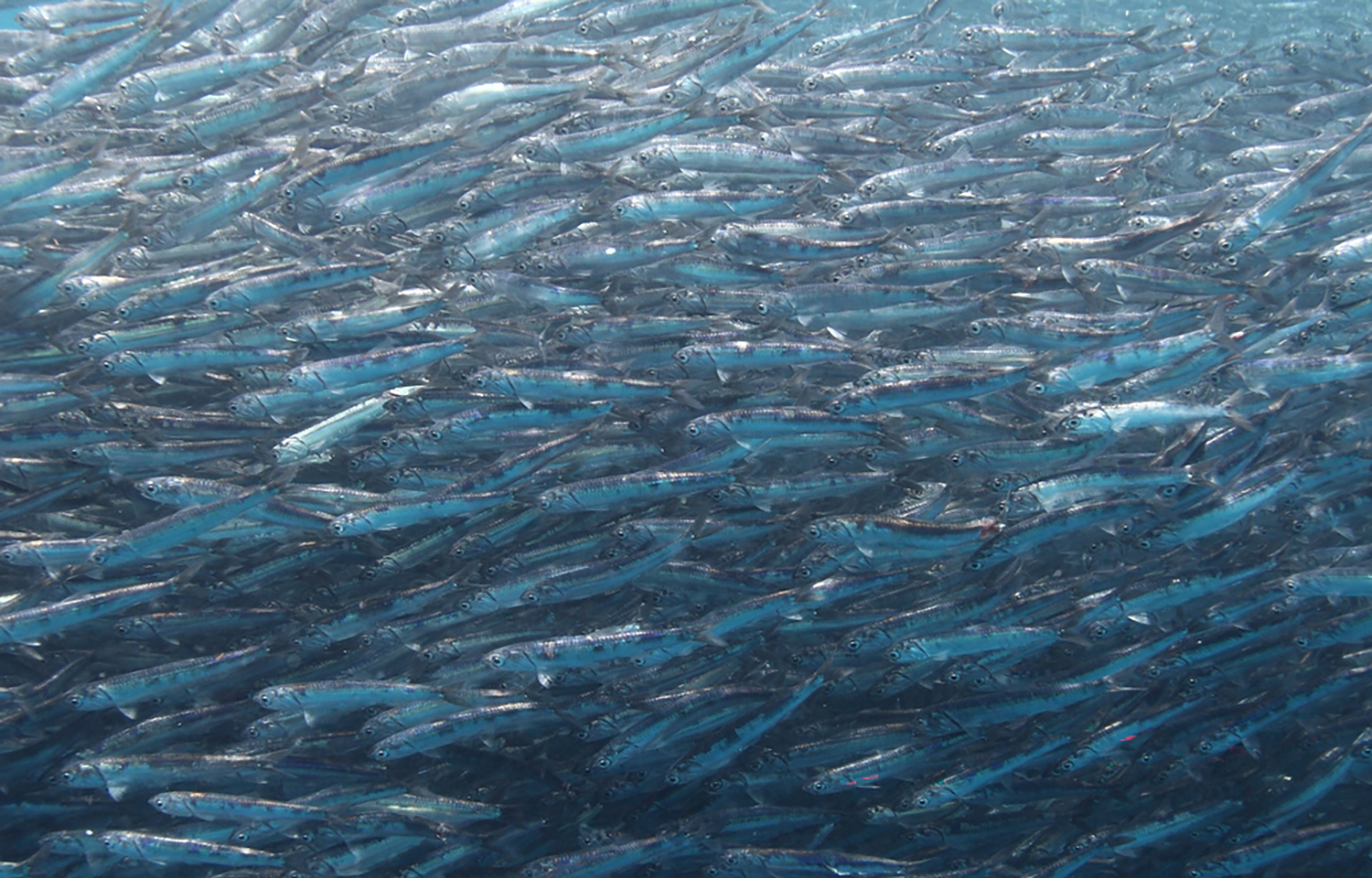
Low catch totals of small pelagic species off the coast of South Africa have forced fishmeal and fish oil manufacturers to fall back on contingency plans to meet both domestic and global demand.
Cape Town, South Africa-based fishing and processing firm Oceana Group is one such company adapting to low levels of supply, explaining to SeafoodSource that “anchovy populations are environmentally driven, highly responsive to oceanographic conditions such as upwelling intensity and sea surface temperature, and are characterized by significant year-over-year variability.”
That assessment echoes previous analysis from South Africa’s Department of Forestry, Fisheries, and the Environment (DFFE), which highlighted that the abundance of anchovy and sardine in the country is “generally associated with variability in recruitment, owing to changing environmental factors that affect, among other [factors], transport of eggs and larvae and feeding conditions."
That variability has resulted in recent recruitment failures and consequent lower catch totals, causing Oceana’s South Africa fishmeal and fish oil business to report a 68 percent decline in production volume for the six months ending 31 March 2026, dropping precipitously from the 48,542 metric tons (MT) recorded in the same period last year to to 18,353 MT.
Outside of its fishmeal and fish oil operations, media outlet News24 reported in May that Oceana’s canned seafood subsidiary Lucky Star, which produces canned pilchard products among other offerings, was hurtling toward a supply shortage and had four months’ worth of inventory to meet demand. Thus, Lucky Star paused promotional activity to manage supply.
Oceana downplayed some of the alarm surrounding low catch totals, emphasizing that populations of such stocks as anchovy are highly cyclical and recover quickly “when environmental conditions are favorable, as evidenced by multiple rapid recoveries in the survey record going back to 1984.”
It also said the firm’s business model "has been deliberately structured to be resilient across cycles of this nature [by] operating a highly diversified portfolio spanning multiple geographies, species, currencies, and end markets,” pointing to its Daybrook Fisheries subsidiary in the U.S., which produces fishmeal and fish oil using menhaden and operates independently of South African anchovy cycles, as “providing a natural hedge against resource variability in any single geography.”
“This diversification means that Oceana is not exclusively exposed to South African anchovy availability, and the group is able to continue servicing its international customer base across both its U.S. and South African operations,” Oceana said.
Nevertheless, some experts have warned that small pelagics are not simply experiencing a cyclical downturn; they’re entering a new normal.
According to Reuters, South African ocean waters have warmed by up to 2 degrees Celsius, pushing small pelagics into deeper, colder waters to get the nutrients they need.
DFFE further explained that small pelagic fish resources are particularly susceptible to impacts of climate change that result in changed circulation patterns, altered composition and productivity of lower trophic levels, and the distribution of marine organisms, all of which are likely to exacerbate recruitment variability.
Some of these factors have been labeled as reasons why biomass and recruitment of sardine and anchovy are on downward trends, with 2023 in particular designated the lowest level of anchovy recruitment yet recorded, forcing firms like Oceana to diversify sourcing to locations outside of South Africa.
Oceana ensured its management and the broader South African fishing industry remain committed to operating within scientifically determined catch limits and to "work[ing] constructively with the DFFE, Marine Resource Assessment and Management, and the broader industry to support the long-term sustainability of the resource."
"Sustainable harvesting – guided by independent science – is not only a regulatory obligation but a commercial imperative: The long-term health of the resource is the foundation of the business," Oceana said.
Poor small pelagic landings in South Africa have occurred as other sources of fishmeal and fish oil around the globe are also experiencing severe supply disruptions. The Peruvian anchovy fishery, which is the world’s single largest source of fishmeal and fish oil, has been placed on an indefinite pause since late May due to El Niño weather patterns that are predicted to intensify as the year progresses.
