

Liberia's National Fisheries and Aquaculture Authority (NaFAA) has defended the implementation of two projects in the nation’s seafood sector, dismissing accusations from local media of an alleged lack of transparency in their disbursement processes and a potential misallocation of funds.
According to NaFAA Director-General Cyrus Saygbe, the projects in question – the Recovery of Economic Activity for Liberian Informal Sector Employment (REALISE) project and the Liberia Integrated Fisheries Sector Strengthening (LIFSS) program – are two separate fisheries sector interventions with different funding arrangements, implementation frameworks, and objectives.
However, local media reports claim there may be financial and institutional links between the two projects, raising concerns over whether the money allocated for underprivileged communities in the REALISE project actually went toward its intended beneficiaries.
The REALISE project was launched in 2022 with financial backing from the World Bank, the Swedish International Development Association, and the French Agency for Development, with a focus on increasing income-earning opportunities for vulnerable populations, including female fishmongers. LIFSS, meanwhile, became effective in 2024 with financial backing from the OPEC Fund for International Development, aiming to improve the management and governance of fisheries in the West African nation, enhance the value of fish products, and boost nationwide food security.
Local media are investigating whether funding for the REALISE project was tied to a USD 2.24 million (EUR 2 million) grant component of the USD 20 million (EUR 17.9 million) LIFSS project and, through such a structural overlap, may have possibly been double-counted or misallocated.
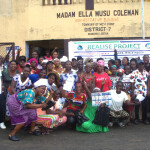
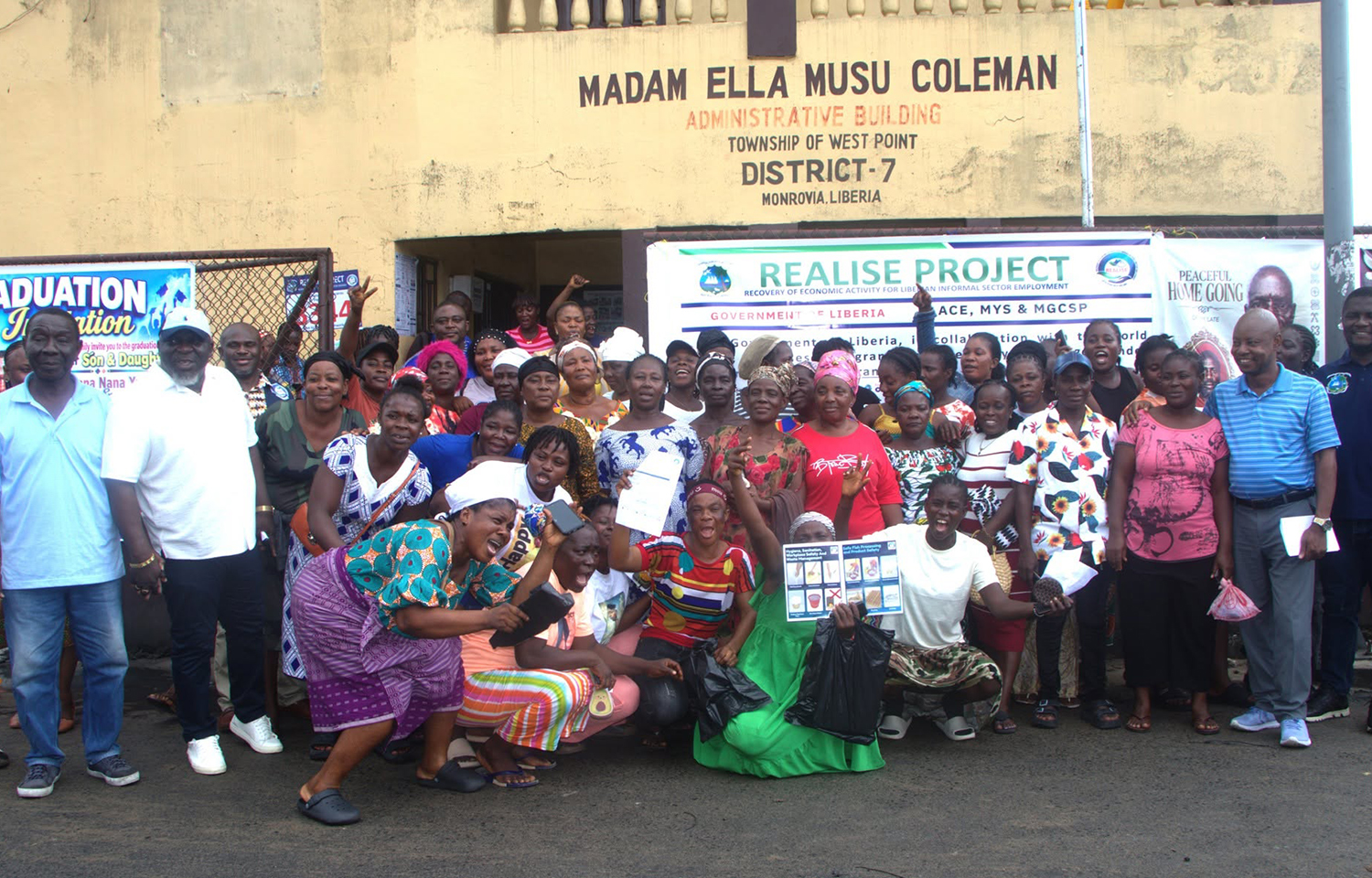
Additionally, media particularly called out grants recently claimed to have been provided under REALISE to female fishmongers in West Point, an area described as one of the most densely populated and impoverished slums in Liberia's capital of Monrovia. If the funds end up being tied to the OPEC-backed project, media have called out Saygbe and his administration for taking credit for funding secured under previous administrations and passing it off as his own accomplishment.
Saygbe dismissed the claims and said that by conflating the two projects, media reports create “misinformation about the source and purpose of support reaching vulnerable communities.”
He cited the grants provided to fishmongers in West Point as “REALISE project grants … NOT grants under the OPEC-funded LIFSS Project."
“Attempting to attribute one project’s intervention to another does nothing but confuse the public and diminish the credibility of development reporting,” he said.
Saygbe further explained that placing a focus on who should take credit for such actions distracts from the objectives at hand.
“It is particularly disturbing when genuine interventions intended to improve the livelihoods of women and vulnerable communities are reduced to a contest over who gets the political credit. Development should not be about political ownership. It should be about impact,” he said. “Whether a woman in West Point can preserve more fish, expand her business, increase her income, employ another person, or provide better for her family should matter more than whose name appears in a political narrative. There is nothing wrong with giving credit where credit is due, but there is everything wrong with misrepresenting facts in an attempt to manufacture credit.”
He added that NaFAA has gone beyond simply facilitating access to grants and introduced “a structured business incubation program aimed at strengthening the capacity, sustainability, and growth of fisheries-related businesses.”
