



Seafood harvesting jobs in Alaska increased by 4 percent in 2025, according to a recent report published by the state's Department of Labor and Workforce Development.
That mark's the first increase since 2019, though the number of jobs are still down significantly since that year.
Alaska state economist Joshua Warren detailed the largest gain in a decade, noting the 4 percent increase produced an average of 216 additional jobs.
"While it was a small fraction of the 2,300 jobs the industry had lost since 2019, 2025’s gain was the largest in more than a decade," Warren wrote in the report. "Recent years' losses came mostly from seasons that were cut short and closures of major fisheries such as Bering Sea crab harvesting. Some of the closed fisheries reopened in 2025."
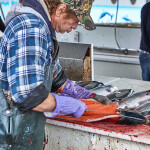
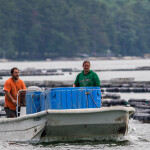
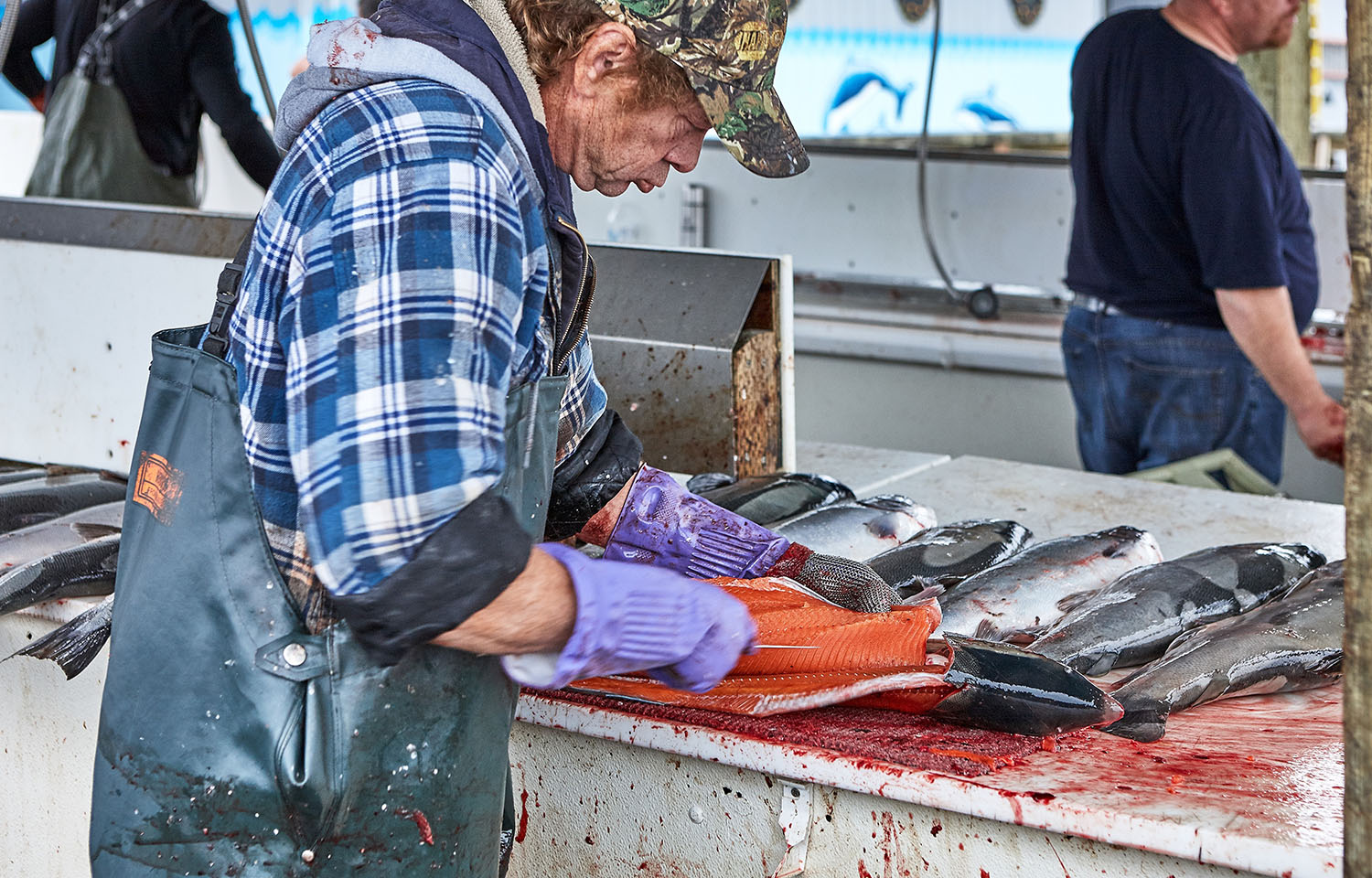
In the 2024 report, Warren reported that the state's fishing workforce was continuing to shrink, attributing losses to rising costs, downward pressure on prices from foreign competitors, and sector instability with closing fisheries. In 2025, Alaska's good salmon year with an odd-year surge in pink salmon, coupled with no large fishery declines, aided the increase in overall jobs available. Warren reported that salmon fishing jobs grew 7 percent over 2024, with the sector employing about 3,000 individuals annually, on average, and 15,000 during the July peak. That makes up more than half of the industry's jobs. Strong set and gillnet fisheries in Cook Inlet also helped jobs grow, Warren said, and Kodiak's purse seine fishery uptick in permits added more jobs.
Groundfish jobs rose by 14 percent in 2025, adding 93 additional jobs. Smaller crab and herring fisheries added jobs, which was a stark contrast to the 20 percent loss of jobs in 2022, Warren said. That was due to emergency closures, with stocks not reaching the minimum threshold for fisheries to be open. Bering Sea king crab harvests caused the biggest rise in crab fishery growth, rising 5 percent in 2024 and 2025. Levels have not regained their peak seen in 2016 and remain 35 percent below that and 11 percent below the levels seen in 2019 before the mass closures.
The halibut, shellfish, and sablefish industries all lost jobs, Warren reported, due to season shortages, late openings, and a smaller number of permits issued. Warren also reported that the Aleutian and Pribilof Islands were the only two areas to lose jobs, while housing most of the state's groundfish harvesting. These areas lost 4 percent of fishing employment, for the sixth straight year. Bristol Bay saw a 1.4 percent growth during its salmon season, but had 200 fewer jobs in peak season in July 2025.
Kodiak's salmon and groundfish fisheries saw a 7 percent increase over 2025, recovering 30 of the 50 jobs lost in 2024, Warren reported. Alaska's northern region gained 69 jobs, and the Southcentral area's fisheries employment numbers rose by 10 percent for harvesting jobs, peaking in August. The Yukon Delta salmon fisheries continue to struggle due to environmental concerns, a near-ban on fishing, and trawling bycatch, but maintain 11 total jobs, which is half of the total number in the 2010 peak.
Warren also reported that 2026 fishing employment numbers could decline after 2025's increase, with odd years bringing higher runs for certain species, but no new fishery closures should help numbers remain on the rise.
