




The Northeast Atlantic Fisheries Commission (NEAFC) made some progress on fisheries management at its latest meeting, but once again failed to stop the root cuase of overfishing of multiple pelagic stocks.
The commission met for its 45th annual meeting in London to discuss fisheries management between the contracting parties of Denmark (for the Faroe Islands and Greenland), the E.U., Iceland, Norway, the Russian Federation, and the U.K. During the meeting, it managed to adopt a few new management measures, including finalizing the arrangements for its member states to share information on fisheries activities through electronic reporting systems.
The commission also managed to establish management measures for redfish, blue whiting, herring, mackerel, and Rockall haddock. For the pelagic species, a release from the commission said “good progress” was made on negotiations on agreements for the pelagic stocks compared to previous years.
However, it also said those agreements weren’t comprehensive, meaning the member states left the meeting without an agreement on how the total allowable catch of multiple overfished pelagic species would be divided between each country for yet another year.
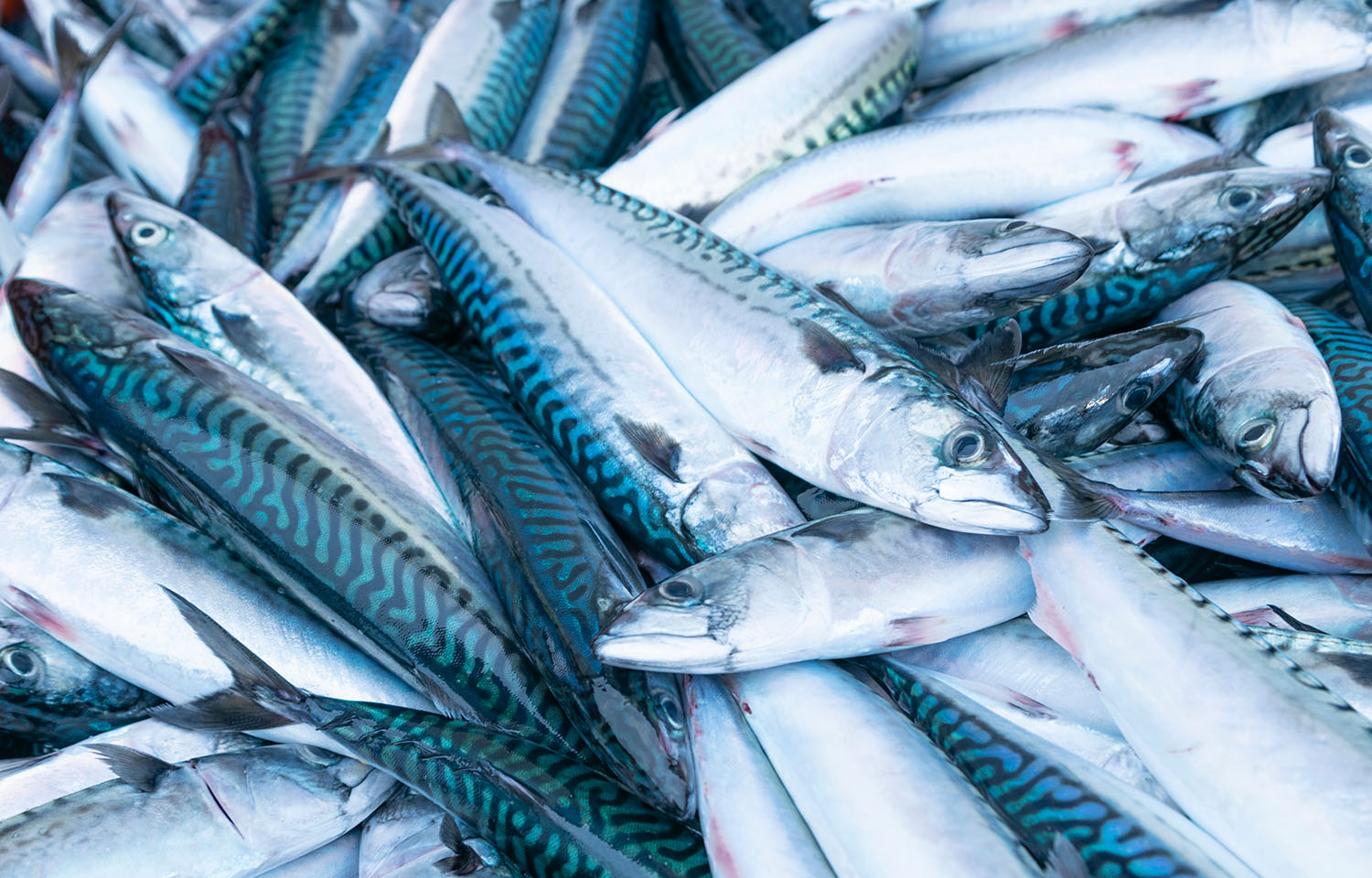
Coastal states had agreed to stick to advice from the International Council for the Exploration of the Seas (ICES), which this year included an increase to the Northeast Atlantic mackerel quota to 352,938 metric tons (MT), an increase for blue whiting to 1.064 million MT, and an increase for herring to 588,004 MT.
According to the commission, the meeting ended with every member state agreeing to those totals, but a lack of any collective agreement on how those totals would be divided among the member states.
However, the Russian Federal Fisheries Agency said the parties plan to determine their own volumes of catch by 1 May.
The lack of a decision comes as the three pelagic species have repeatedly faced overfishing for multiple years, and the North Atlantic Pelagic Advocacy Group (NAPA) recently ended its fisheries improvement projects (FIPs) on the issue after determining they were not delivering on ending overfishing.
NAPA had urged coastal states to use the latest ICES advice as a “turning point” for managing the fisheries, urging all seven states to reach a comprehensive sharing agreement.
“For more than a decade, the absence of a fair and comprehensive quota sharing arrangement has undermined sustainable management,” NAPA said in September. “While countries have at times committed to following scientific advice on total catches, unilateral quota setting has repeatedly driven fishing activity above sustainable levels.”
While the commission failed to establish that comprehensive sharing arrangement, it did make progress on an ecosystem approach to fisheries management (EAFM) by adopting a formal statement on the issue.
“This statement recognizes that NEAFC is already implementing EAFM, including by incorporating new scientific information into its conservation and management measures as it becomes available, and sets out the next steps for the continued stepwise implementation,” the commission said in a release.
