




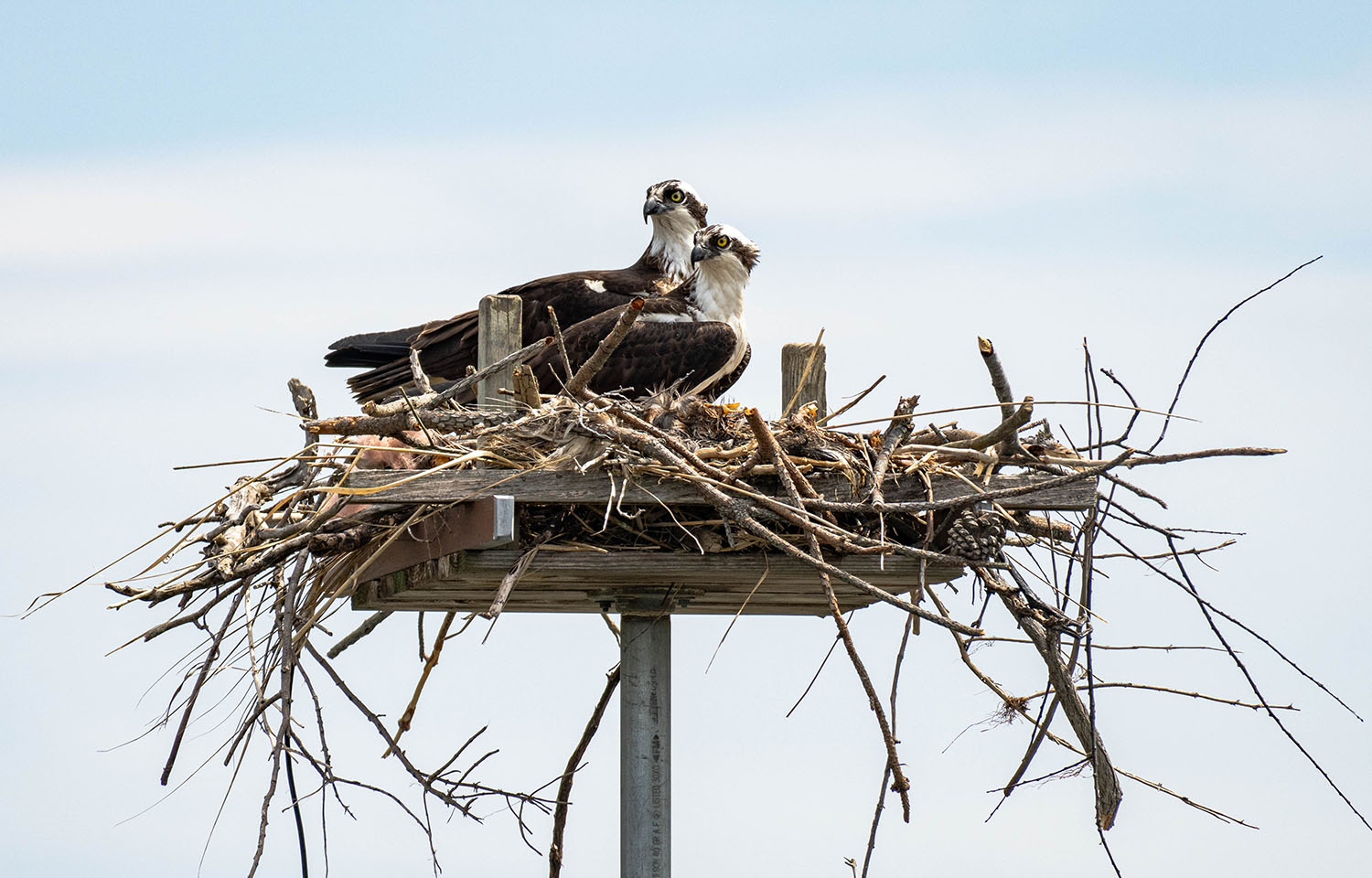
A study by the Center for Conservation Biology and William & Mary recently released the results of a 2026 survey of breeding performance for osprey in the Chesapeake Bay, finding the worst performance ever recorded.
The study found average productivity was 0.25 young per pair, far below the 0.8 to 1.3 average required to maintain population stability. Eighty-one percent of all pairs nesting in waters with a salinity above 5 parts per thousand failed to fledge any young.
“The 2026 results extend the ongoing trend of productivity decline throughout saltier regions of the bay,” the center said. “Productivity in the Chesapeake has dropped in recent years from 0.51 in 2024 to 0.35 in 2025 to 0.25 in 2026.”
The results of the study said the Chesapeake Bay supports the largest osprey breeding population in the world, but given poor reproductive rates in recent years, the population is not sustainable.
“This annual loss rate is dramatic and, without a change in course, expected to result in a 50 percent decline in the population over the next decade,” the findings said.
The study comes amid increased debate over the role that commercial fishing for menhaden plays in the potential decline of the species. A paper released in June linked the decline in osprey productivity to decreased access to Atlantic menhaden availability, though it did not directly link that decline in menhaden availability to the commercial fishery.
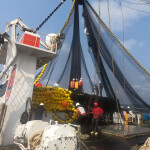
That paper led to environmental groups increasing calls to reduce fishing pressure on the species in the Chesapeake Bay, while Ocean Harvesters – the largest user of the Chesapeake Bay’s harvest cap of 51,000 metric tons (MT) – has defended its sustainability bona fides.
The company responded to the latest osprey survey and again pointed out that while there’s evidence of food stress for osprey, there is not evidence of what the cause of that food stress is. The company pointed out that its main fishing season doesn’t open until May, and in 2026, the company did not begin fishing until early June, well after osprey laid eggs in April.
“There is also a broader geographic context. U.S. Geological Survey scientists have noted recent leveling or declining osprey population trends in other parts of the country, including Florida, South Carolina, North Carolina, New Jersey, and Delaware, as well as on the Pacific Coast in California and Washington,” the company said. “The presence of similar trends in areas far removed from the Chesapeake Bay – and, in the case of the Pacific, where there is no Atlantic menhaden fishery – underscores the need for caution before attributing the Chesapeake observations to a single fishery.”
The company said it does not dispute the decline in the species but that there is no direct link between commercial menhaden fishing and declines in osprey.
The new study comes as the Delaware Department of Natural Resources prepares to host an Atlantic States Marine Fisheries Commission meeting on a potential menhaden management plan. The hearing will address a draft addendum, which considers options to potentially reduce the Chesapeake Bay menhaden fishery cap by another 50 percent, dropping it to 25,500 MT, and also distribute that cap more evenly throughout the fishing season.
“The options aim to alleviate any concentration of commercial effort that may be affecting other fisheries within the bay and other potential ecological impacts,” the department said.
