




The Center for Biological Diversity (CBD), a Tucson, Arizona, U.S.A.-based conservation NGO, has sued NOAA Fisheries to force the agency to issue findings on a petition to have gray whales listed under the Endangered Species Act (ESA).
“We’ve lost half of these Pacific gray whales in just a decade. It couldn’t be clearer that the population needs protections, but we’re just getting silence from the Trump administration as the crisis unfolds,” CBD Oceans Director Miyoko Sakashita said in a release. “Gray whales are washing up dead all along the West Coast, and if federal officials keep dragging their feet, it could be too late for the species. These majestic whales are starving, and they face other threats we need to fix to save these creatures from extinction.”
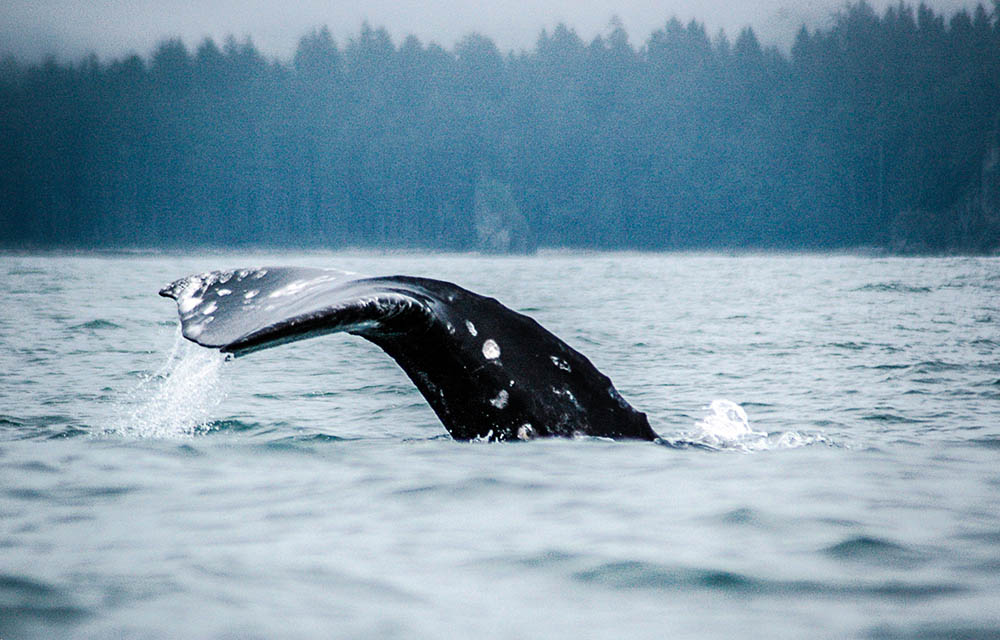
The Eastern North Pacific gray whale population was listed under the ESA at one time but was delisted in 1994 after populations recovered sufficiently. The population has declined since; over the last 10 years, the number of whales has declined by more than 50 percent. According to NOAA Fisheries, 187 gray whales have died on the West Coast in 2026.
NOAA Fisheries also determined that an unusual mortality event impacted the whales from December 2018 through November 2023, with 690 gray whales being stranded in that period. An investigation by the agency concluded that the culprit was localized ecosystem changes, though entanglement in fishing gear and collisions with vessels remained a threat.
CBD filed a petition to have the whales listed under the ESA in August 2025, meaning the agency was due to issue its 12-month finding on the petition on 24 August 2026. However, the agency missed the deadline, as it has for several ESA petitions in recent years.
“The Trump administration has once again broken one of the nation’s bedrock environmental laws – the ESA – by failing to respond to our August 2025 petition to list gray whales under the Act,” Oasis Earth Founder Rick Steiner said in a release. “NOAA’s own science shows the gray whale population to be in grave danger due to Arctic climate change and other threats, and the government is now required to afford the whales all additional protections provided by the ESA.”
