



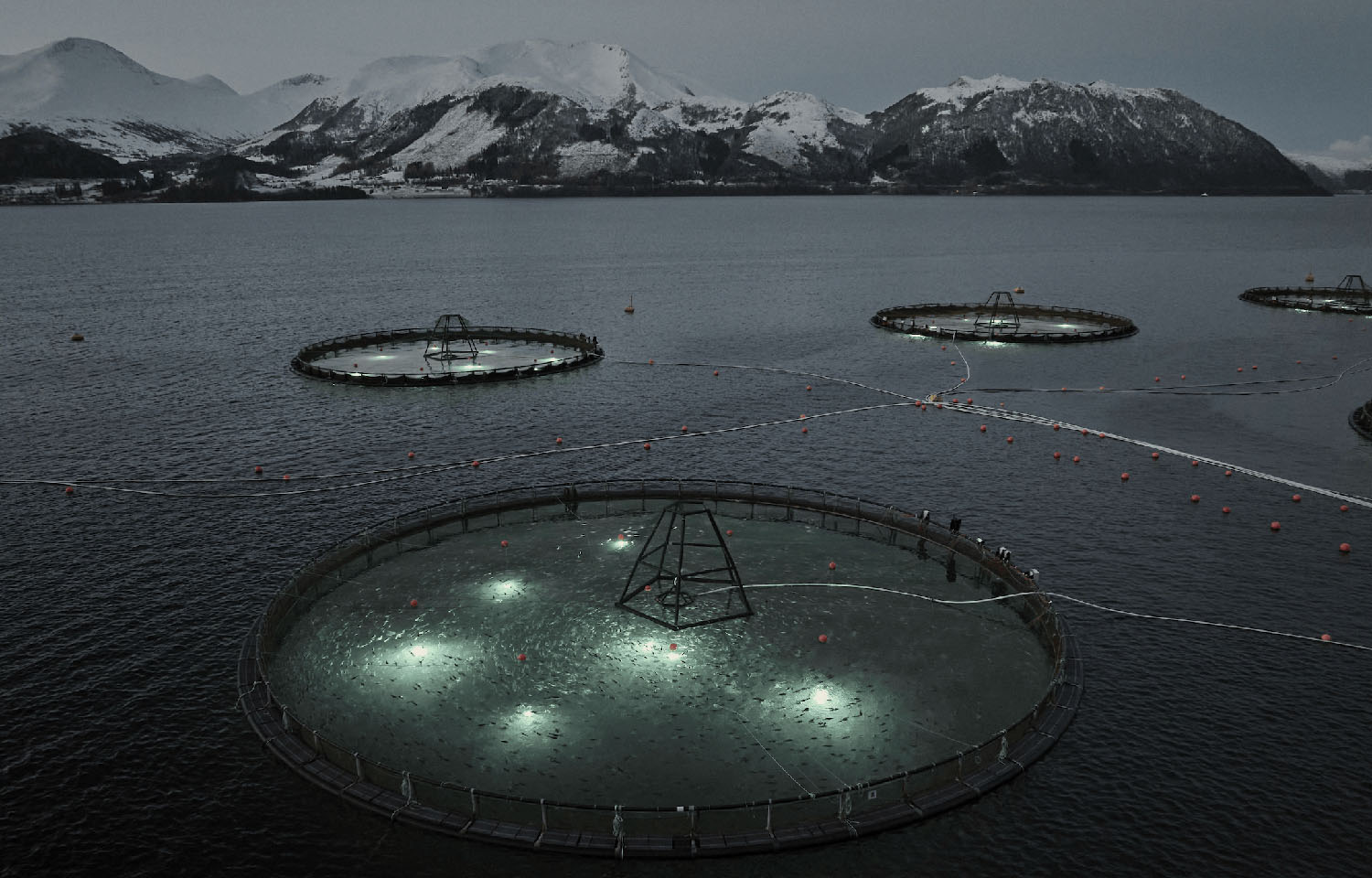
Norwegian cod aquaculture company Ode has acquired a 51 percent stake in Namdal Settefisk, forming a new subsidiary to expand its farming capacity.
The new subsidiary, named Ode Namdal AS, will operate as a fully integrated part of Ode, the company said. With the acquisition, Ode said it will now develop six sea sites for cod farming in central Norway.
Ode said the newly-acquired company has a current production capacity of roughly 11,700 metric tons (MT), with the potential to grow up to more than 25,000 MT over time. That, combined with Ode’s existing capacity, will bring it up to more than 60,000 MT of farmed cod production per year.
“Over time we have formed a strong relationship with Namdal Settefisk, and we are confident that together we can create the same success in Trøndelag as Ode has achieved in North-West Norway,” Ode CEO Ola Kvalheim said in a release. “Our goal is to contribute to increased production of healthy and sustainable food. The U.N. is clear that aquaculture must grow by 75 percent by 2040 to reach our global climate goals. This is a fantastic opportunity for Ode and part of our journey to become an even better seafood company.”
Ode said it is positioning itself to be able to deliver fresh cod to global seafood markets every day of the week, with stable quality and predictable timing. To do so, the additional licensing capacity is important, it said.
“Our customers want a range of exciting and innovative cod products with high and consistent quality and reliable and predictable supply every week of the year. That is how they succeed and we develop a category together,” Kvalheim said. “The new sites increase our capacity and strengthen our position as a solid and predictable supplier with growth runway the next 5 years. That allows us to make long-term commitments to retail and foodservice partners and build farmed cod as a category in our key markets.”
Ode achieved profitability in its cod farming operations in 2025, a first for the company, and it said a first for the industry globally. The company launched in 2020, and harvested its first batch of farm-raised cod in 2022. Around the same time the company began harvesting its cod, the globally available quota of wild-caught cod began to fall, going from 885,600 MT available in the Barents Sea in 2021 to the 285,000 MT it was set at in 2026, driving up prices for the species.
As a result farmed cod is an increasingly key part of Norway’s fresh cod exports. In October 2026, 65 percent of the value of fresh cod exports from the country was from farmed cod, and up until that point farmed cod had made up 46 percent of the export value of fresh cod for the whole year.
Ode said it has developed a fully-integrated value chain for farmed cod in Norway, and the company plans to continue to develop the product – with the acquisition of Namdal serving as a key part of that goal.
“We look forward to developing this partnership with Namdal Settefisk. Trøndelag is a leading aquaculture region, which gives us an excellent starting point for developing both the company and the industry further,” Ode Senior Vice President of Business Development Tor Olav Seim said.
