


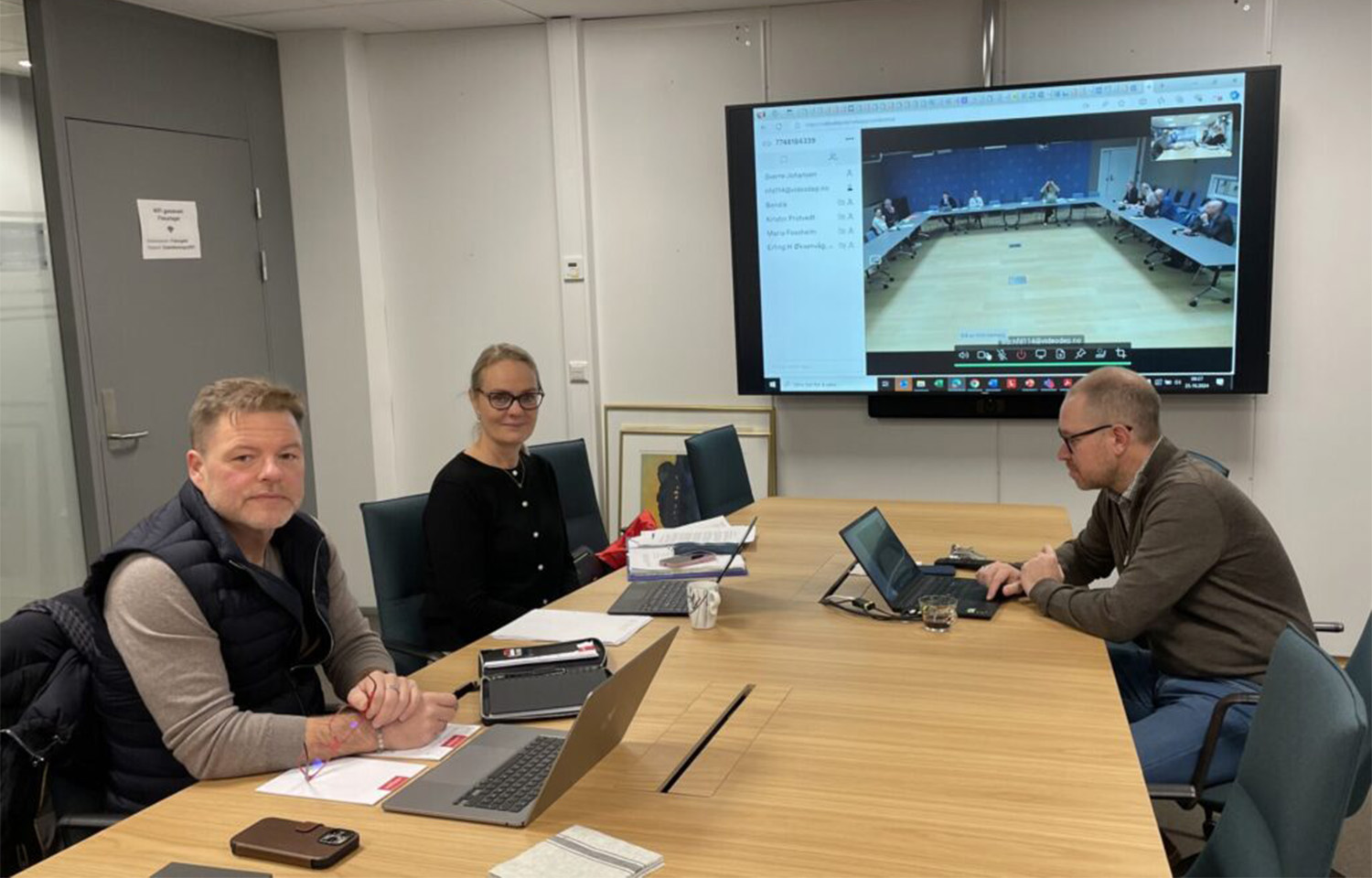
Norway and Russia have reached an agreement on fishing quotas in 2026 for shared Barents Sea stocks, but the sanctioning of two major Russian companies by Norway continues to be a point of contention.
Norway and Russia have agreed to set a total quota for Northeast Arctic cod of 285,000 metric tons (MT), a decrease of 16 percent compared to the quota set for 2025. That proposal is a compromise between the Russian-Norwegian Arctic Fisheries Working Group number of 269,550 MT and a number from the Russian Research Institute of Fisheries and Oceanography (VNIRO) which proposed a much higher quota of 315,033 MT, which would have been an increase over the quota set for 2025.
"The agreement is particularly important at a time when we have had a significant reduction in the cod quota over several years. We have now set a cod quota for 2026 at a level that contributes to rebuilding the stock," Norway Minister of Fisheries and the Oceans Marianne Sivertsen Næss said in a release.
The stock has been split between the two countries using the same percentages as previous agreements, with Norway receiving 139,827 MT of the stock and Russia receiving the remaining 145,173 MT.
That quota level is the lowest quota since the “cod crisis” of the early 1990s, which saw cod stocks depleted faster than they could be replenished, leading to extremely low quotas for the species.
The new agreement also set a 153,293-MT quota for haddock in 2026, an increase of 18 percent compared to 2025. Norway’s share will be 76,345 MT, while Russia’s will be slightly higher at 76,948 MT.
The quota for Greenland halibut will remain flat at 19,000 MT, with Norway receiving 9,675 MT of the quota and Russia receiving a slightly lower quota of 9,325 MT.
Norway also confirmed that the two countries agreed that there would be no capelin fishery in 2026, as the current biomass is not sufficient to support a commercial fishery of the species.
Norwegian Fishermen’s Association Head Jan Roger Kerbukt said the agreement was “very important” to the industry, and the successful negotiations were a positive development for the shared fishing areas in 2026.
“It is important for both Norway and Russia that an agreement has been reached on both research and management cooperation for the Norwegian Sea and the Barents Sea," Kerbukt said.
Kerbukt and Næss – who both took part in negotiations – both described the process this year as difficult as tensions continue to simmer between the two countries over Norway’s sanctioning of major fishing companies Norebo and Murman Seafood Company in July. Those two companies have also been banned from accessing markets in the E.U., building on a ban by the Netherlands that arose after an investigation by Pointer that claimed there was strong evidence vessels from the two companies were being used by Russia to commit espionage on the E.U.
“This year's negotiations have been challenging,” Næss said. “The listing of the two Russian shipping companies has left its mark on the negotiations, but I am pleased that despite this, we have reached an agreement that will contribute to the sustainable management of the important fishing resources in the North.”
Kerbukt credited Næss for her negotiating leadership in obtaining an agreement, which the Norwegian Fishermen’s Association said is essential to sustainable management of the resources in the area.
The meeting minutes of the negotiations reveal Russia was strongly opposed to the continued sanctioning of the two companies and said that it reserves the right to completely withdraw from the negotiations and the Norwegian-Russian Arctic Fisheries Working Group as it said the sanctions were unlawful under the original 1976 Fisheries Agreement the group is based on.
Norway’s negotiators said the country’s decision to suspend the companies came in support of the E.U., aligned with Norwegian policy, and was well within the framework of the 1976 agreement based on those facts.
“The Norwegian party clarified that the listings of these shipping companies do not affect Russian-flagged vessels in general and do not entail any changes for other Russian-flagged vessels regarding fishing opportunities and port access,” the meeting minutes state.
Because of that and because the sanctions are within Norway’s legal framework, Norwegian negotiators argued the sanctions against the two companies are well within the bounds of the 1976 agreement.
Despite the disagreement, the two countries agreed to create a joint Norway-Russia stock advice research program for 2027.
During an interview with Russian media, Russian Federal Agency for Fisheries Head Ilya Shestakov said the country defended its interests during the meeting and that the country gained access to the necessary stocks in 2026.
