






U.K. grocery inflation has fallen to its lowest rate since July 2022, according to grocery research firm Kantar, as grocery chains nationwide continue to lower prices – including Aldi, the latest retailer to announce a fresh round of price cuts.
Kantar reported that food inflation in the U.K. fell for the seventh month in a row to 11 percent in September, but some research firms like the British Retail Consortium reported it plunged all the way down to 9.9 percent; simultaneously, take-home grocery sales rose by 9.1 percent.
“Grocery price inflation is still very high, but shoppers will be relieved to see the rate continuing to fall,” Kantar Strategic Insight Director Tom Steel said in a press release. “For the first time since last year, the prices of some staple foods are now dropping, and that’s helping to bring down the wider inflation rate.”
Grocery chains – including Tesco, Aldi, and Asda – making the decision to cut prices on thousands of products over the past year have helped to offset the impact of inflation, according to Steel.
“Supermarkets are looking at all the different ways they can deliver value at the tills, and while the emphasis for some time has been on everyday low prices, the retailers are starting to get the deal stickers out again,” Steel said.
Spending on promotions accounted for 26.5 percent of all sales over the past quarter – the highest level since Q2 of 2022, Steel added.
“Tesco, in particular, has been driving the increase, with some positive results,” he said. Tesco’s sales soared 9.2 percent over the past quarter, and its total market share of U.K. grocery sales grew 0.4 percent to 27.4 percent.
Welwyn Garden City, U.K.-based Tesco said in September that it was locking the price of more than 1,000 everyday products until 2024 and also stated that it is price-matching more than 600 staple products weekly in competition with Aldi prices.
“We know that this has been a year of budgeting carefully for shoppers, with customers wanting to make sure they are getting great value on their shop,” Tesco U.K. CEO Jason Terry said. “By locking more than 1,000 prices, our customers know exactly how much they will pay for those items today – at Halloween, at Christmas, and into 2024.”
Similarly, Asda announced a fresh round of price cuts on 425 branded and own-label products, including fish fingers, in late August. The third-largest U.K. supermarket chain said it is investing GBP 23 million (USD 29 million, EUR 27 million) to lower prices by an average of 11 percent on some of the most popular products its customers buy weekly, including bread, cheese, cereals, pasta, sausages, and chicken breasts.
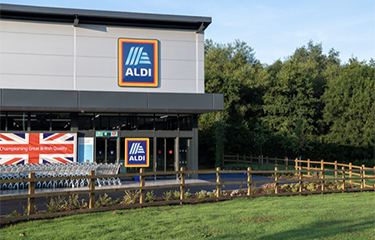
Aldi followed soon after and is now the latest retailer to offer price cuts, announcing last week that it would slash prices on more than 50 products by 7 percent. Aldi said it has cut prices on more than 200 products in recent months.
“We will always stand by our promise to keep our prices as low as possible for customers, and this latest round of price cuts proves just that,” Aldi U.K. Managing Director of Buying Julie Ashfield said. “That promise applies to everything from household essentials to high-quality groceries, all of which we want to make accessible to everyone, and it’s why we continue to see shoppers switch to Aldi.”
Its emphasis on value has proved lucrative throughout the challenging economic climate. The chain reported its annual sales increased by nearly GBP 2 billion (USD 2.4 billion, EUR 2.3 billion) to reach GBP 15.5 billion (USD 18.9 billion, EUR 17.9 billion) in 2022 – a new record in its 33-year history. More recently, Aldi’s sales shot up 14.9 percent in September, with its total share of the U.K. grocery market now at 9.9 percent, according to Kantar.
Aldi, following up on these encouraging trends, announced it would open 500 additional stores in the U.K. in the near future.
Further highlighting consumers’ desire for value, fellow discount grocery chain Lidl was the fastest-growing U.K. retailer in September, with its sales soaring 15.2 percent, representing the first time that Lidl has led the pack since April 2023, according to Kantar.
Sainsbury’s sales also increased 9.1 percent in September, and its share of the market grew to 14.8 percent.
Bracknell, U.K.-headquartered grocery chain Waitrose, meanwhile, could become the latest retailer to partner with Amazon for grocery delivery services; total online visits to the store’s site increased by 3.1 percent year over year in September, marking the first time the brand has seen year-over-year increases in digital visits since December 2021, Kantar said. Waitrose’s overall sales rose 5.3 percent in the month.
Besides an emphasis on value, another factor helping to boost overall grocery sales was the warmest September the U.K. has ever seen, according to Steel.
“Sunnier weather last month meant the barbecues stayed out of sheds for another few weeks,” Steel said.
Photo courtesy of Aldi
