


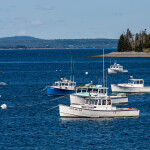


A partnership between local and provincial government entities and economic development authorities in British Columbia is seeking to build up Port Alberni on B.C.’s Vancouver Island as a seafood processing hub.
A shuttered fish processing plant is being renovated into the so-called “Sea to Forest Hub,” which will function as a centralized shared-use food processing facility, according to the Alberni Valley News. Tenants will have affordable access to production facilities and specialized equipment so they can scale up production and expand their businesses, the newspaper reported.
The project is being funded by the Port Alberni city government, the B.C. provincial government, the Island Coastal Economic Trust, and the Port Alberni Port Authority. The first phase of the project is already fully enrolled, with anchor tenant Flurer Smokery Ltd., Cascadia Seaweed Corporation, Effingham Oyster, Nova Harvest Oysters, Canadian Seafood Processing, and Forest For Dinner, which processes foraged food.
The project has joined the B.C. Food Hub Network, a provincial government initiative under the Feed B.C. program – an effort to increase the use of locally-grown and processed foods in hospitals and other health care facilities, schools and universities, and other government-supported facilities, according to the CBC.
"Port Alberni's food and beverage processing sector is full of opportunity for growth, and this hub will help fishers, seafood producers, and farmers in the area build their businesses and the community," B.C. Agriculture Minister Lana Popham said in a statement.
Sharing equipment and space is a more cost-effective way to operate a small business, giving it more capital to put into growth, according to Ben Patarin, the owner of Forest For Dinner. Eventually, the plan is for the hub to add retail space and a shared commercial kitchen.
Pat Deakin, economic development manager for the City of Port Alberni, said the project is meant to be a “keystone in other seafood and seaweed ventures.”
“It will allow farmers, both terrestrial and aquatic-based to be able to grow their operations,” he said. “In a year, we see that it will be fully up to speed, and that individuals who are looking for an opportunity to certify their product through the Canadian Food Inspection Agency and HACCP would be able to do that.”
Photo courtesy of Island Coastal Economic Trust
