






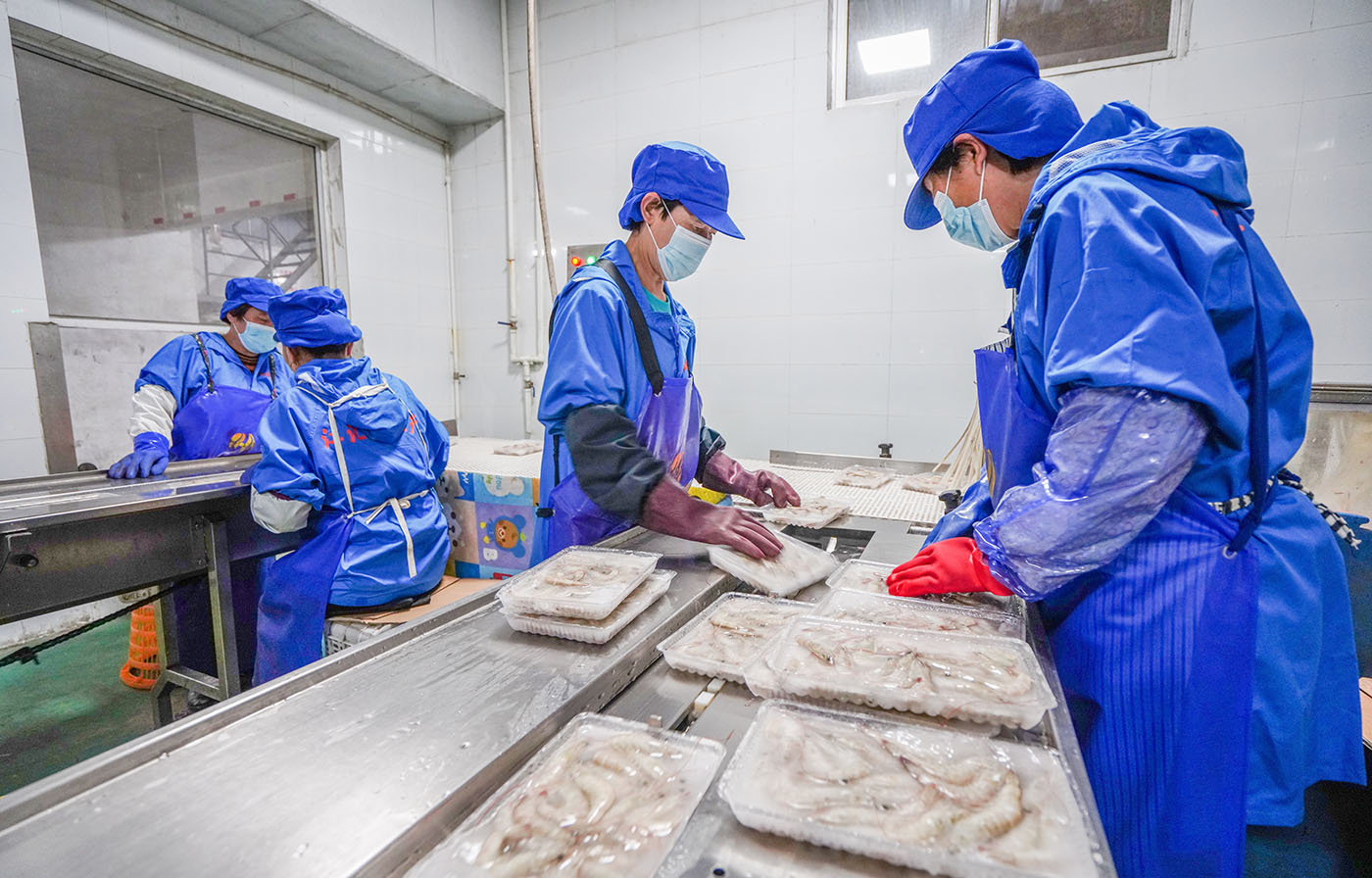
U.S. retailers and distributors cutting ties with Chinese processors due to forced labor allegations has stymied demand for Chinese-processed products, according to the director of a major processing operation in northern China.
“There has been a notable impact on demand due to the unwarranted and baseless allegations of ‘forced labor’ within the Chinese processing sector by some U.S. media,” the executive, who declined to be named, said.
His remarks reference reporting from the Outlaw Ocean Project on the use of Uyghur forced labor at certain processing plants – revelations which, along with several U.S. seafood purchasers cutting ties with the processors named in the report, has resulted in NGOs pushing for formal sanctions against the processors.
The Chinese processor is forecasting higher prices for U.S. companies purchasing whitefish due to a recent U.S. executive order imposing a ban on imports of Russian-origin seafood processed in third countries. This ban, the processor said, “is likely to pose additional challenges for Chinese processors.”
“These developments are expected to reshape the global whitefish supply-demand landscape in 2024,” he said. “Both Chinese processors and numerous U.S. seafood businesses will encounter significant hurdles. Notably, the lack of competition in the U.S. seafood supply chain may lead to increased whitefish prices, placing an added burden on consumers.”
The executive order has not just created a divide between China and the U.S., but it has also created escalating tension within the U.S. domestic market, with the feud between the order’s supporters and detractors leading to altercations that have gotten personal.
Nevertheless, the Chinese processor believes consumers elsewhere will benefit from the order.
“Nearly 2 million metric tons [MT] of pollock and cod from Russia will find other markets, like Europe, Asia, China, and [domestically in] Russia,” he said.
Bjorn Marius Jonasson, the director of groundfish sales at Iceland Seafood International, said both China and the U.S. will encounter hurdles due to the Outlaw Ocean reporting and the executive order, but said the impact won't be immediate.
“Most importers are covered inventory-wise for the next four to six months,” Jonasson said. “This time of year, most have stocked up … but U.S. buyers will need to start preparation work on shifting the supply chain now. Product redesigns and raw material changes are time-consuming; many checks and balances need to be completed – something restaurants and retailers with specific product requirements won’t have. The last one out of bed may not get his breakfast.”
A more immediate challenge for the industry, however, according to both Jonasson and Nick Ovchinnikov – the CEO of San Diego, California, U.S.A.-based Lotus Seafood – is higher freight rates.
“We have seen a sharp increase in freight rates in January due to the Red Sea crisis, [which] adds up to the freight costs for all importers on both [U.S.] coasts,” Ovchinnikov said.
Photo courtesy of chinahbzyg/Shutterstock
