


An NGO confirmed to SeafoodSource it has formally filed a recommendation to implement Global Magnitsky (GloMag) sanctions against Chinese companies named in the recent Outlaw Ocean report on labor issues in the U.S. seafood supply chain.
The Outlaw Ocean report revealed evidence that seafood processed by Uyghur labor in China has entered the U.S. supply chain – a violation of the U.S.’s Uyghur Forced Labor Protection Act (UFLPA). The report – along with video evidence that was released later – identified Uyghur laborers in the supply chain of several Chinese processing and fishing companies that provide seafood to dozens of companies worldwide, including several in the U.S.
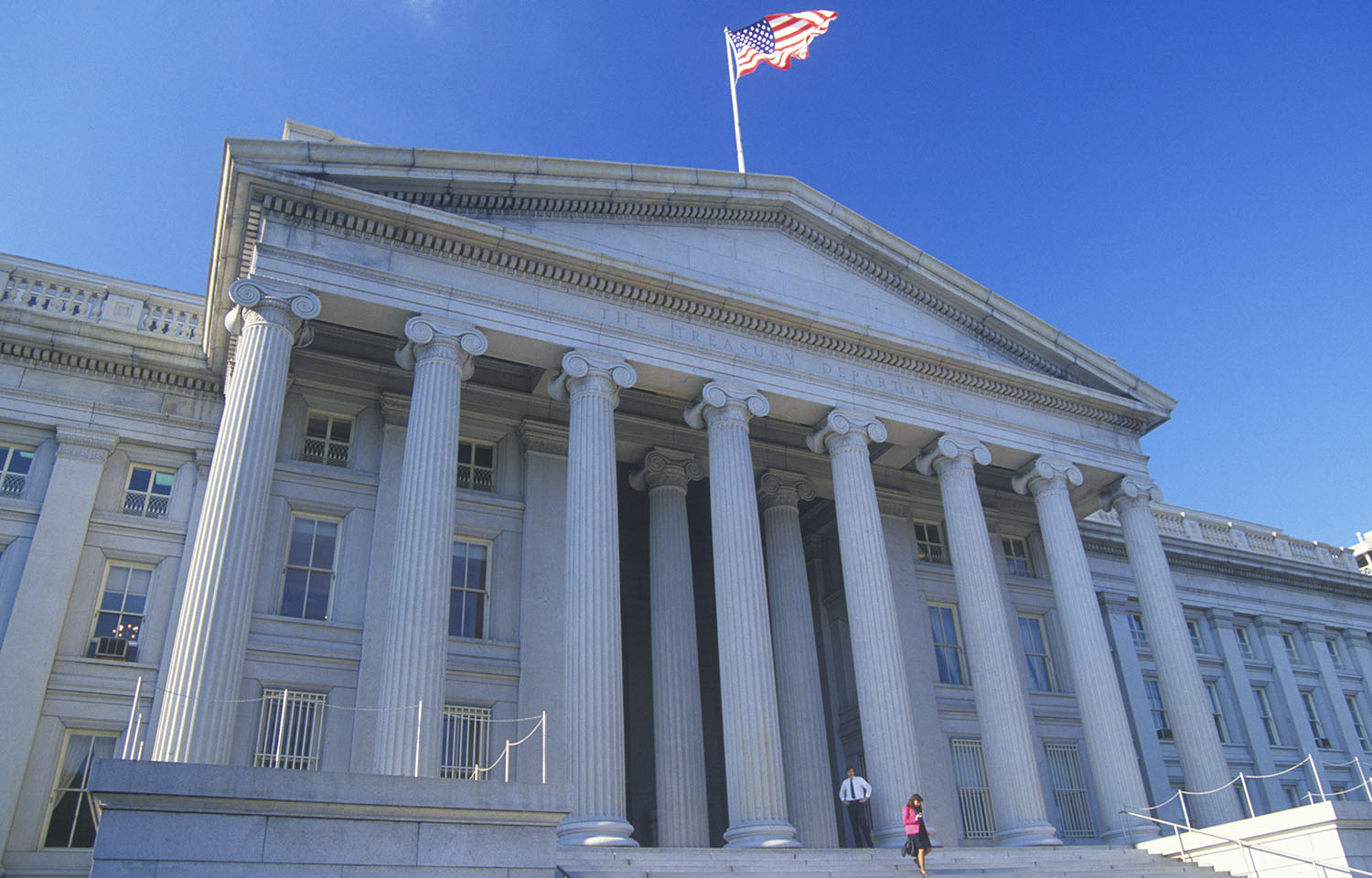
Now, the NGO – which requested to not be named to protect its team of activists – has confirmed to SeafoodSource it is officially calling on the U.S. Department of State and the U.S. Department of the Treasury to implement GloMag sanctions against the Chinese companies named in the report: Yantai Sanko Fisheries; Yantai Longwin Foods; the Chishan Group, which includes Shandong Haidu and Rongcheng Haibo; the Shandong Meija Group, which includes Rizhao Meijia Aquatic Foodstuff, Rizhao Jiayuan Foodstuff and Rizhao Meijia Kayuan Foods; Qingdao Tianyuan Aquatic Foodstuffs; the Rongsense Group, including Rizhao Rirong Aquatic Products and Rizhao Rongxing; and Xinjiang Zhongtai Zhihui Modern Service.
By law, the U.S. government is required to consider any credible information presented by an NGO.
The U.S. originally passed the Magnitsky Act in 2012 in response to the death of Russian tax advisor Sergei Magnitsky, who was imprisoned and killed after revealing tax fraud in Russia. Congress then passed the Global Magnitsky Human Rights Accountability Act in 2016, and the administration of U.S. President Donald Trump adopted Executive Order 13818, which created a U.S. sanctions program against human rights abuses anywhere in the world.
GloMag sanctions, when implemented, impose a complete entry ban and asset freeze on companies or individuals targeted and cut off visa access and the ability to obtain or keep U.S.-based funds or property. U.S. companies are completely banned from any transactions involving sanctioned companies.
U.S. Representative Jared Huffman (D-California), who has been a vocal advocate for action against the companies mentioned in the Outlaw Ocean report, told SeafoodSource he supports the petition.
“I support the petition very much, and believe that these sanctions are critically important if we’re serious about Uyghur forced labor and other human rights abuses that we have discovered," Huffman said. "I’m all for it, and grateful for the Outlaw Ocean Project doing this work … and I’ll do what I can to support it."
This isn’t the first time that individuals in China have been targeted by GloMag sanctions related to the treatment of Uyghurs. The U.S. government has already sanctioned high-ranking Chinese Communist Party officials for involvement in human rights abuses against Uyghurs and other minorities in Xinjiang.
It also isn’t the first time that seafood companies have been targeted by sanctions authorized under the Global Magnitsky Human Rights Accountability Act. In 2022, the U.S. government sanctioned Dalian Ocean Fishing and Pingtan Marine Enterprise, claiming the two companies were involved in illegal fishing and labor abuses. The sanctions also marked the first time the U.S. Treasury had ever sanctioned a business listed on the Nasdaq Stock Exchange.
The latest call for sanctions adds to others from human rights and Uyghur rights groups to take action against the Chinese companies listed in the Outlaw Ocean report. In early December, The Uyghur Rights Advocacy Project (URAP) and the Human Rights Action Group formally submitted recommendations to the Canadian government to implement sanctions against Yantai Sanko Fisheries, Yantai Longwin Food, the Chishan Group, Shandong Meijia Group, Qingdao Tianyuan Aquatic Products, the Rongsense Group, and the Xinjiang Zhongtai Zhihui Modern Service.
Companies in the U.S. have already vowed to stop purchasing seafood from companies that were linked to the use of Uyghur labor by the Outlaw Ocean Project. Broadline food distribution giant Sysco vowed to cut ties with the Chishan Group – one of the companies named in the latest GloMag petition – in response to pressure from U.S. Representative Jared Huffman (D-California) and after an investigation into its own supply chain. Huffman and 21 other lawmakers recently sent a letter to U.S. President Joe Biden to take action and urge Sysco to commit to improved practices that help it avoid suppliers connected with forced labor and illegal, unreported, and unregulated (IUU) fishing.
Other companies, like Albertsons, High Liner Foods, and Lund’s Fisheries, announced plans to cease relationships with companies named in the report within days of the report coming out.
Photo courtesy of Joseph Sohm/Shutterstock
