






The decision taken by U.K. and Scottish governments to stop sandeel fishing in their waters will have major implications for the fishing and processing sectors in Denmark and the European Union, according to Marine Ingredients Denmark.
The move also contravenes the cooperation agreement signed by the E.U. and the U.K. in December 2020, and the decision lacks scientific backing, the fishmeal and fish oil producers’ organization has warned.
On 31 January 2024, following a public consultation, the U.K. government announced the sandeel fishery in English waters will be permanently closed from April 2024 on. Scotland’s government has also confirmed it’s looking to implement a ban ahead of this year’s fishery season.
With sandeels recognized as a vital food source for some of the U.K.’s most vulnerable seabirds and marine mammals, as well as commercially important fish species such as haddock and whiting, the bans have been welcomed by policymakers and environmental groups.
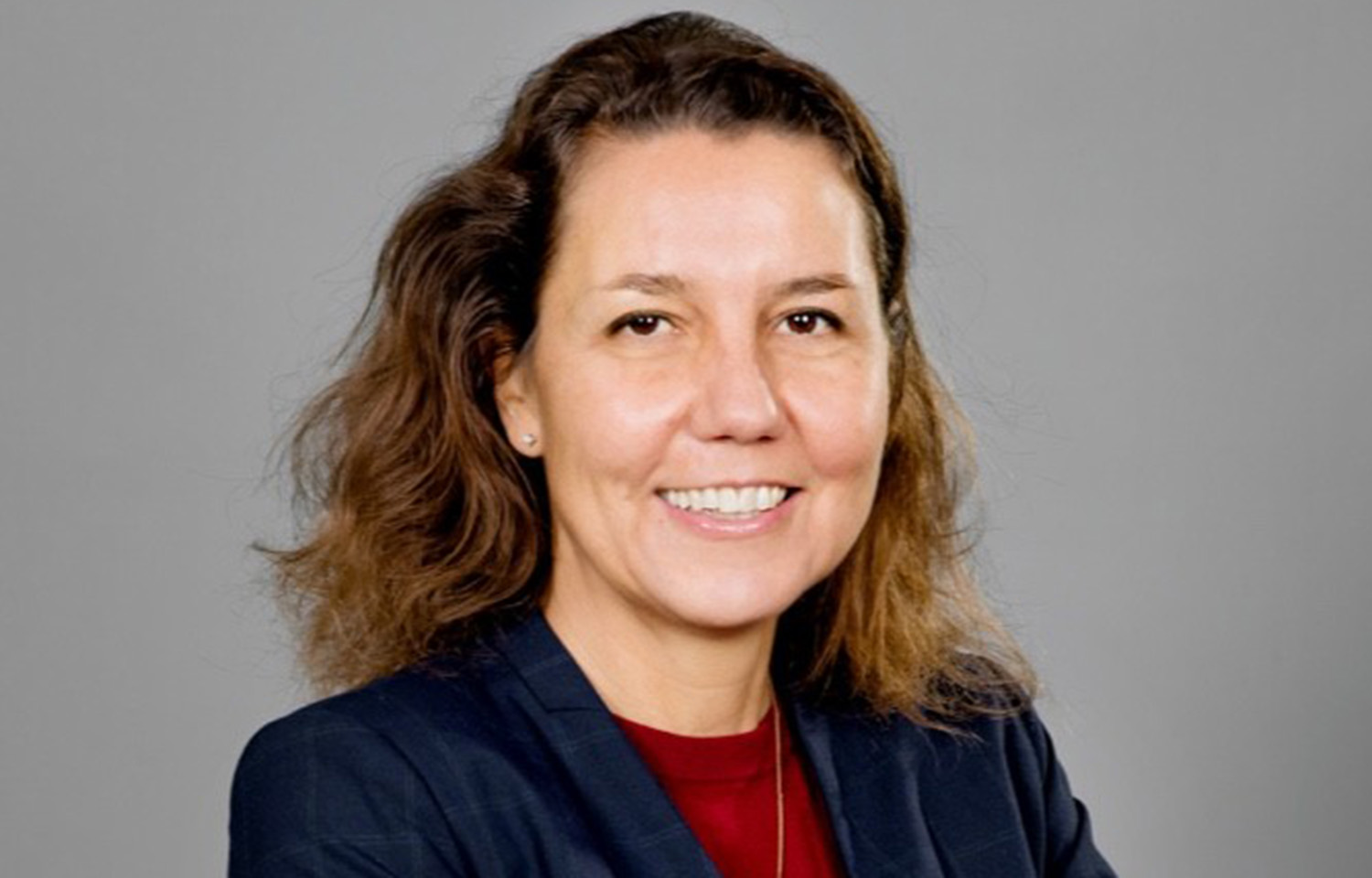
However, Marine Ingredients Denmark Managing Director Anne Mette Bæk said her organization is alarmed by the closures. Danish fishermen “have paid a high price for access to British waters” as part of the Trade and Cooperation Agreement (TCA) that exists between the E.U. and the United Kingdom.
"The U.K.'s announcement to ban sandeel fishing contradicts the agreement and disproportionately affects the E.U., considering the U.K.'s minimal involvement in sandeel fishing,” Bæk told SeafoodSource. “Despite our engagement and participation in the open consultations, we are disappointed that our concerns have not been taken into account."
Bæk said scientific evaluations of the fishery indicate it hasn’t had any lasting environmental effects on seabirds and marine mammals – a key argument made by the U.K. government in its decision. She cited a collaborative study between DTU Aqua and international researchers, which found the size of the sandeel population does not significantly affect other populations of fish, marine mammals, or seabirds.
“[There is] no scientific justification for a permanent closure of sandeel fishing in English waters from April 2024 specifically benefiting the natural and marine environment,” Marine Ingredients Denmark said in a statement.
The organization also said the U.K. proposals differ from the scientific recommendations made by the International Council for the Exploration of the Sea (ICES), which forms the basis for determining fishing opportunities in European waters, including for sandeels.
Denmark’s marine ingredients industry receives around 100,000 metric tons (MT) of sandeels sourced from U.K. waters annually, and without these raw materials, the entire fishing industry, as well as the wider value chain, faces significant economic consequences, according to Bæk.
Bæk said since 2015, the U.K. sandfish fishery has accounted for DKK 2.7 billion (USD 390.6 million, EUR 362.2 million) worth of Danish fish oil and fishmeal exports. Marine Ingredients Denmark said the United Kingdom is one of the largest importers of fishmeal and fish oil from the E.U., and it estimates that sandeels from British waters directly contributed to the production of 120,000 MT of farmed fish in 2023, including salmon farmed in Scotland.
“The consequences will be significant throughout the value chain – from catch to feed to food – across Denmark, the E.U., and Great Britain. Marine Ingredients Denmark strongly urges the Danish government and the E.U. to promptly act against a closure of the fishery and ensure compliance with the cooperation agreement with Great Britain,” the organization said.
Photo courtesy of Anne Mette Bæk/Marine Ingredients Denmark
