





Trading activities near the inland border gates between Vietnam and China have become tense in recent weeks, after China intensified inspections against Vietnamese goods to curb the COVID-19 contagion.
The strict measures implemented by the Chinese authorities have resulted in the pileup of thousands of container trucks carrying goods, including seafood products, near border areas with China.
From 21 December, China’s Dongxing border gate – which borders Mong Cai gate in Vietnam’s Quang Ninh Province – postponed customs clearance following detections of coronavirus cases in the city. As a result, more than 1,500 container trucks carrying agricultural products, including more than 1,000 frozen seafood containers, were stranded at Mong Cai in Vietnam, according to Vietnamese media reports.
In Lang Son, the other Vietnamese province bordering China, trading via the Tan Thanh border gate has been temporarily halted by China. Customs clearance speed at other two border gates, the Huu Nghi and Chi Ma, has fallen dramatically. A total of more than 4,200 container trucks remained stranded near the border gates in the province as of 25 December.
Vietnam Association of Seafood Exporters and Producers (VASEP)’s secretary general Truong Dinh Hoe said that because there are limited opportunities to cross the borders to sell their products in China, Vietnamese exporters have been left with no choice, but to return their container trucks to their cold-storage facilities to keep their products cold.
Vietnam’s sales to China have dropped significantly since April 2021 due to increased testing of frozen seafood cargoes for COVID-19 by Chinese authorities as part of their overall strategy to implement their “zero Covid” policy. The heightened inspections have resulted in the delays of clearance for shipments, adding further costs for both Vietnamese exporters and Chinese importers, according to the VASEP.
Unlike China, Vietnam has been implementing a strategy to co-exist with the coronavirus to boost economic growth. As of 26 December, more than 1.65 million people in the country have contracted the deadly virus. The new cases in the Southeast Asia nation were around 15,000 in recent days, according to government data.
The obstacles in exporting seafood products via inland border gates with China, combined with difficulties in selling via ocean shipping channels, are likely to hit export activities to China hard. Sales value projected to decline 40 percent year-on-year in the fourth quarter to USD 242 million (EUR 213.8 million) and fall 26 percent to around USD 1 billion (EUR 883.6 million) for the entire 2021, VASEP said.
China is one of Vietnam's largest trading partners, with sales value of agricultural, forestry and fishery products worth USD 8.4 billion (EUR 7.4 billion) over January-November.
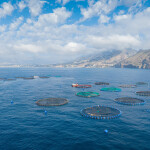
Photo courtesy of eagnarin wanvong/Shutterstock
