




NOAA has announced the closure of the directed illex squid fishery in U.S. waters.
As of 21 August, vessels have been prohibited from fishing or landing more than 10,000 pounds of squid per trip through 31 December, and vessels may also not catch the species more than once per day. The quota for the squid, which sits at just under 53 million pounds, has been 95 percent caught for 2019, according to a release from NOAA.
The illex fishery – specifically the U.S. Northeast Northern shortfin squid fishery – recently gained Marine Stewardship Certification in May of this year, after an assessment by SCS Global Services. Two companies – The Town Dock in Point Judith, Rhode Island and Lund's Fisheries in Cape May, New Jersey – requested the assessment.
Catching the quota is a good sign for the health of the stock, Lund’s Fisheries Director of Sustainability and Government Relations Jeff Kaelin told SeafoodSource.
“It’s a really good thing. What’s interesting about it is that this is the third year in a row that the quota has been caught. That’s really remarkable, because this has never happened before,” he said.
Hitting the quota so early in the year is a sign that the stock is healthy, and can easily support the current rate it is being fished at.
“People thought, 'If we can catch this three years in a row, there’s a lot of squid out there,’” Kaelin said.
That has naturally led to discussion on whether or not the fishery should have its quota adjusted to reflect how easily the fishery is reaching its limit. Figuring out what the status of the stock is can be difficult, as the squid live less than one year and can have multiple cohorts in one year in some instances. Kaelin said he’s talked to scientists that have seen three separate spawns in 2019 alone.
“There are a lot of questions about what the actual productivity of the stock might be,” he said.
Climate factors, as well, are something that need to be considered. An assessment of the vulnerability of species to climate change predicts relatively little impact to the Illex fishery, and potentially even positives for the number of squid present.
That can be a good sign for companies catching and selling Illex, as the species has seen increased demand.
“There’s such demand worldwide that Illex has moved away from a bait squid and into food squid,” Kaelin said. Europe has been increasing its demand for the species, especially in the wake of the MSC certification.
Since there is little fresh market for illex, catching the quota so early in the season likely won’t impact supply chains too much, Kaelin said.
“Our business is all about freezers,” he said.
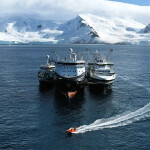
Photo courtesy of Lund's Fisheries
