


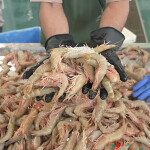



There is a growing demand for branded freshwater fish like pangasius in China, including products promoted by aquaculture and trading giants like the Tongwei Group, according to field research by two Australian academics in the southwestern city of Chengdu.
The study, conducted by researchers Julian Fang and Michael Fabinyi of the University of Technology Sydney, and provided to SeafoodSource, is based on interviews with seafood vendors in Chengdu.
“The apparent rise in pangasius consumption [in Chengdu] mirrors national reports of increased consumption of this fish,” the authors wrote in a summary of their research.
Fabinyi and Fang said their research shows there are “strong opportunities exist to promote new, environmentally sustainable freshwater species, brands, and alternative product forms in the Chinese market.”
“In 20 interviews with traders at supermarkets, district, and wholesale wet markets as well restaurateurs in Chengdu, Sichuan Province, we asked about key characteristics of the freshwater fish market, including prices, products, consumer preferences and important trends in the market. In China, the freshwater seafood market is typically characterized as ‘traditional’ consumption of carp at the lower end of the aquatic product market,” the researchers wrote. “While domestically produced carp will continue to be important for the lower end of the Chinese freshwater fish market for the foreseeable future, the freshwater fish market is also changing towards increased out of home consumption, and consumption of imported products – trends usually associated with the luxury, largely marine market in first-tier cities.”
Fabinyi’s earlier published work focused on the consumption of exotic and endangered wild marine fish like grouper and wrasse in upmarket Chinese restaurants. Through his work with Fang, Fabinyi said he’s come to believe there are parallels between consumption in regional cities like Chengdu and to first-tier city consumption of luxury, largely marine products.
“We found that the freshwater fish market in Chengdu is driven by similar factors that relate to Chinese aquatic product markets,” he said. “Firstly, similar values inform consumer preferences for fish. In particular, the high concern about food safety, the need for freshness, cost and local culinary traditions are all important influences over how and what freshwater fish are consumed. Secondly, while carp remains the most common type of fish consumed, eating out at restaurants is becoming more common as incomes rise.”
The authors suggest that “from an environmental sustainability perspective, aquaculture of herbivorous fish such as carp and tilapia is seen as relatively less harmful than many higher-trophic level marine species.”
“Understanding how to promote the consumption of such relatively environmentally sustainably produced fish – and not just reduce the consumption of fish with negative environmental impacts, such as shark fin – should therefore be a goal of environmental organizations interested in sustainable seafood consumption,” they wrote.
Photo courtesy of Michael Fabinyi
