






Record diesel prices are currently having a profound effect on the global economy.
This week, I want to provide both a high level perspective of how those prices are shaping the seafood sector and an on-the-ground perspective on how one regional fishery is experiencing them.
For background on the global situation, I went to Tony Chen, CEO and co-found of aquaculture technology company Manolin, who also hosts the Fish n’ Bits podcast, a data-driven exploration of the seafood sector.
He told me that he believed that this year’s record diesel prices were “one of the overlooked risks to the seafood industry.”
“Diesel is one of the fuels that keeps the global seafood supply chain moving. It's what powers fishing vessels, trucks, and much of the equipment needed to get seafood from producers to consumers. In parts of the world, we're seeing diesel prices more than double compared to last year, and that's a significant increase for an industry already operating on tight margins,” said Chen.
He explained that demand for diesel is understood to be what economists call “inelastic.” This means that industries and consumers generally cannot withdraw their use of diesel when prices fluctuate. Chen pointed out that diesel stands out even among other such demands, like gasoline, for being especially inelastic.
While consumers may take public transport or skip outings when gasoline prices are high, Chen said, the shipping industry cannot just stop moving products, and consumers continue to need to heat their homes, even when diesel is costly.
Chen added that the situation was complicated by what’s known in the oil refinery business as the “crack spread”: the difference between the price of crude oil paid by refineries and the price those refineries can charge for refined oil.
Chen called the current crack spread the “highest that we’ve ever seen.” He shared the following visualization as a demonstration of the widening gap between the cost of crude and cost of diesel. In it, Chen compares the monthly average crack spread, in dollars per barrel, from fuel traded at the New York Harbor, a major U.S. trading site and the source ultra-low-sulfur diesel (ULSD) benchmark futures.

A number of global forces are currently contributing to the widening crack spread.
Forbes contributor Robert Rapier wrote recently that while the U.S. is producing record levels of crude oil, “one of the most persistent misconceptions about petroleum markets is the assumption that refiners can decide how much gasoline or diesel they want to make and simply adjust production accordingly.”
Instead, the quantity of diesel produced is limited by a number of factors, including structural equipment in refineries. Adding machines to refine diesel to existing refineries is enormously expensive and extremely time consuming, meaning such expansion cannot respond to market shocks as they happen.
These factors play into a bottleneck around the production of diesel, made only more extreme recently by war in multiple regions. This bottleneck of diesel production can have huge consequences globally, which is why oil refineries have increasingly become targets in war.
As Chen reminded me, Ukraine has attacked 27 of Russia’s 32 major oil refineries, and both Iran and Saudi Arabia have launched similar attacks on refineries. These attacks have put pressure on the major oil-refining nations to move operations and increase production, while the same conflicts have reshaped major shipping routes, increasing travel times and volatility for the shipping industry.
While Chen said that shipping disruptions will likely continue, he told me that he’s concerned that “the impact [to seafood] won't just be higher transportation costs. It could change where seafood is processed, how companies make purchasing decisions, and ultimately what consumers pay.”
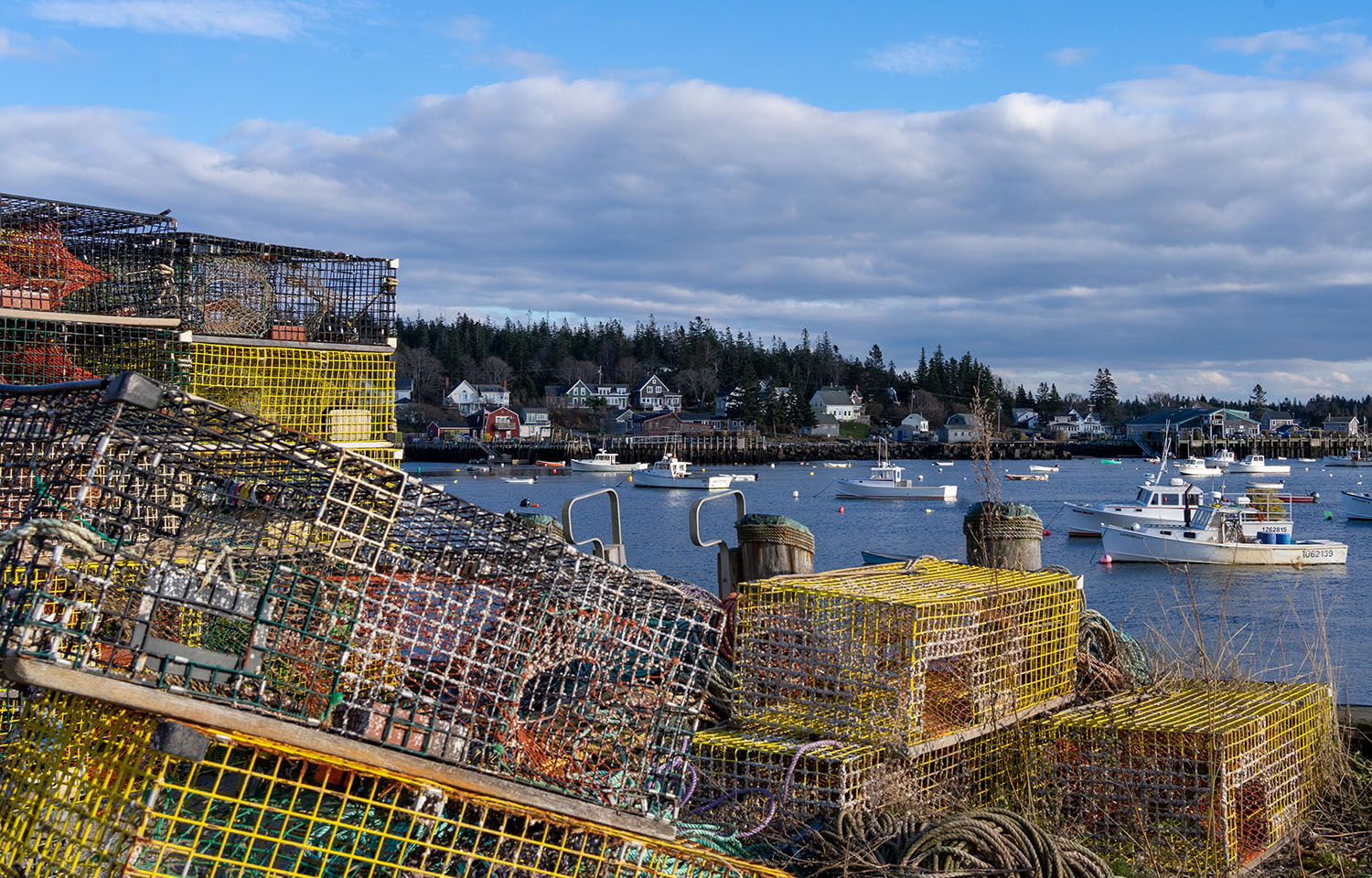
For a view of how these forces are shaping the lives of seafood stakeholders on the ground, I spoke with sources in the Maine lobster industry.
Two Midcoast Maine harvesters I spoke with said that while bait was their biggest cost, diesel was significantly eating into their bottom line. Both told me that they assumed that their bait prices had increased this year because of shipping costs related to diesel prices.
Another lobster harvester from the region gave me access to a number of his records, allowing me to analyze what he spent on diesel and how those prices correlated with his profits over time, up to May 2026. He confirmed that diesel prices had continued to go up, and estimated that two of the suppliers he used, both in Portland, Maine, were charging between...
