


The Marine Conservation Society (MCS), a Herefordshire, U.K.-based environmental nonprofit, has downgraded 29 fisheries in its latest Good Fish Guide update, while 11 of its ratings improved.
Published to help U.K. consumers and businesses make sustainable seafood purchasing decisions, the guide’s biannual update uses a rating scale from one to five, where one is the highest rating, representing one of the most sustainable seafood options available
The latest update reviewed over 100 ratings, including wild-capture fisheries and one U.K. shrimp aquaculture rating. Sixty-four ratings went unchanged from its previous guide, delivered in April, but revisions were made to European hake, coley, Icelandic haddock, Dover sole, and king scallops. Additionally, a new rating was introduced for Atlantic bluefin tuna now being caught in the country’s waters.
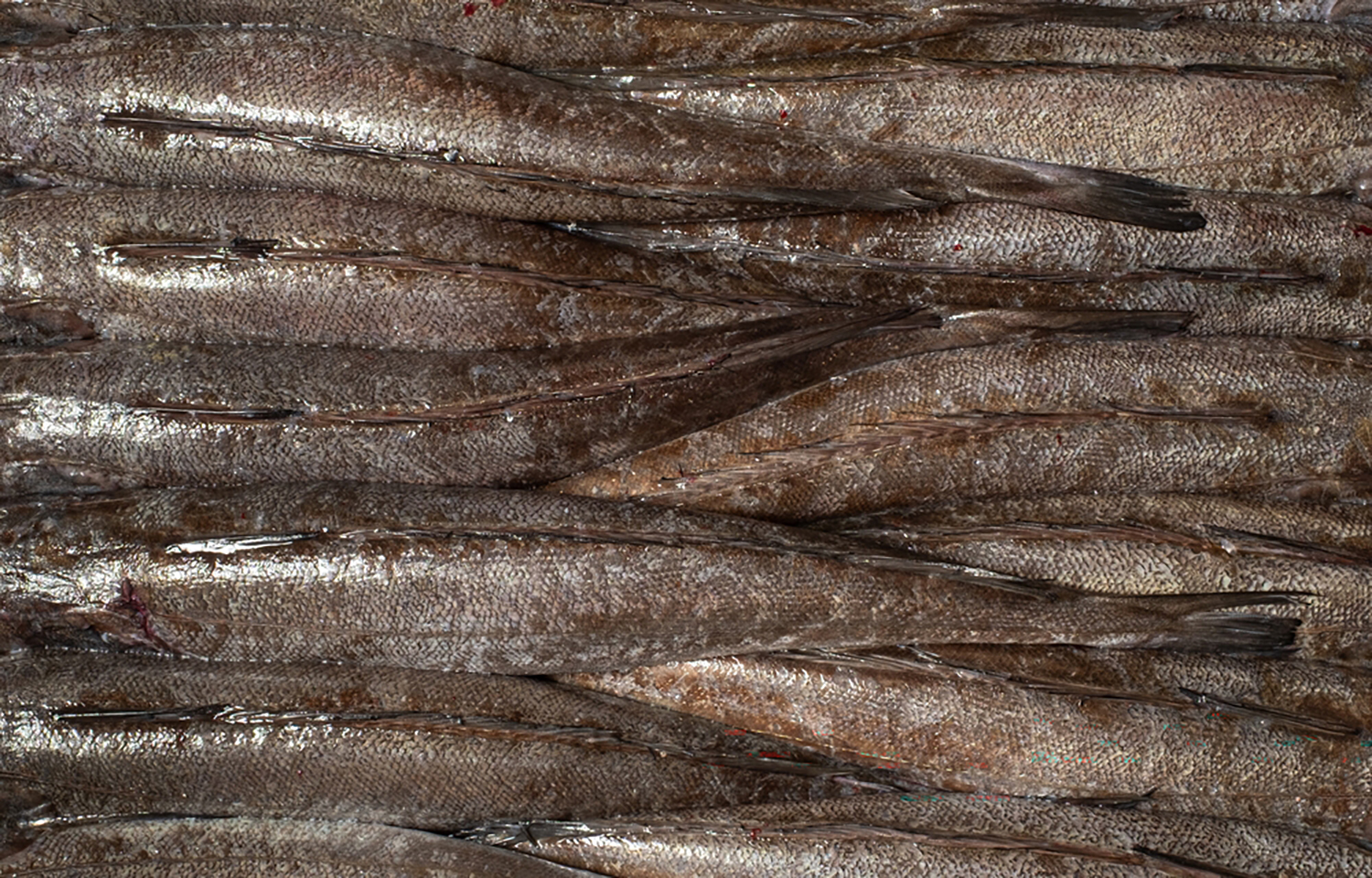
European hake was among the species most affected by the update. Three ratings related to the species moved from two to three, while one went from three to four. The changes reflect a slight decrease in biomass and increased fishing pressure, with fishing pressure now at the level associated with maximum sustainable yield and biomass below the relevant reference point.
Good Fish Guide Ratings Officer Brooke Schlipf confirmed that most European hake remains on the Good Fish Guide’s recommended list, but the affected fisheries are no longer classed as “Best Choice.”
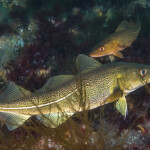
Coley also saw significant changes. In the Northeast Arctic, ratings for several fishing methods deteriorated, as fishing pressure increased and concerns persisted over the effectiveness of management and catches exceeding scientific advice over recent years.
Coley caught in the North Sea – west of Scotland in the Rockall and Skagerrak area by otter trawl – was given a rating of five, meaning it is now slotted into the guide’s “Avoid” category.
“This is a default red rating because the spawning-stock biomass has fallen below [the biomass limit reference point], and there is no recovery plan in place,” Schlipf said.
Icelandic haddock ratings also moved from two to three. Its stock score went unchanged, but the revised management assessment identified concerns because catch has consistently exceeded scientific advice, Good Fish Guide Ratings Officer Naomi Smith explained.
“These fisheries remain on our recommended list; they are just no longer considered ‘Best Choice’ options,” she said.
Dover sole ratings also deteriorated across several areas. In the Celtic Sea and Bristol Channel, beam trawl ratings moved from three to four, and otter-trawl ratings worsened from two to three, with MCS pointing to fishing pressure above sustainable levels and catch exceeding scientific advice over the past four years.
In the Irish Sea, beam trawl and otter trawl ratings fell from three to four amid declining stock status and fishing pressure above target levels. Ratings for the Western English Channel and North Sea also moved down, partly because of the revised methodology and concerns including choke species and bycatch of endangered, threatened, and protected species.
Northern Ireland king scallops caught by dredge were downgraded from four to five, placing them in the “Avoid” category. Again, MCS pointed to declining biomass, increasing fishing pressure, and management measures that have had limited success in rebuilding the stock.
A new rating was also introduced for king scallops caught using “disco” pots in Lyme Bay. The catch method – which involves using LED lights rather than bait to attract scallops – has a lower physical impact on the seabed than traditional dredging, but the fishery remains relatively new, with limited management measures and an inconclusive stock assessment.
The guide has applied precautionary concerns about biomass and fishing pressure for the catch method, Smith explained.
There was more positive news for North Sea autumn spawning herring, with ratings for driftnet and Marine Stewardship Council-certified pelagic trawl catch improving from three to two, while uncertified pelagic trawl and purse-seine ratings moved from four to three. MCS attributed the improvements primarily to reduced fishing pressure and noted that a long-term management strategy is beginning to take effect.
The new Atlantic bluefin tuna rating, meanwhile, reflects management arrangements for the limited line-caught fishery opened in U.K. waters in 2023, with the assessment taking account of the overall stock score alongside specific quotas and management measures governing the U.K. fishery.
Its resulting rating is two, placing it in the guide’s “Best Choice” category.
“This is very exciting for this new fishery,” Schlipf said. “However, we still think it’s really important that management remains tight, that we don’t overfish the stock, and that we remain cautious about how the fishery develops.”
Similarly, U.K. sea bass caught by handline is also deemed a “Best Choice,” improving from two to one under the revised scoring methodology. Ratings for sea bass caught as bycatch by otter trawl, demersal seine and gillnet remain at two or three, with concerns about monitoring and whether catch is always genuinely incidental.
Most of the ratings in the October update were assessed using the third version of the Good Fish Guide methodology. The principal changes in the latest methodology involves equal weighting for stock status, management, and capture method, replacing the previous system in which stock status carried the greatest weight.
The management assessment has also been expanded into three elements: alignment between management and scientific advice; management of the target stock; and monitoring, control, and surveillance. A new scored element addresses wider ecosystem and foodweb impacts.
As a result, some ratings changed because of the revised scoring system rather than a demonstrable improvement or deterioration in the fishery itself; for instance, Smith stressed the improvement in U.K. octopus ratings from five to four did not represent a change in stock status, management, or capture method.
“Octopus remains a highly data-limited fishery, with minimal management in place for populations around the U.K,” Smith said. “We’re hopeful that, following the recent octopus bloom in the southwest and the increased attention now being paid to the species, there will be improvements in the available knowledge. That should help inform future ratings and the evidence behind them.”
