
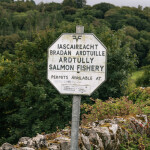


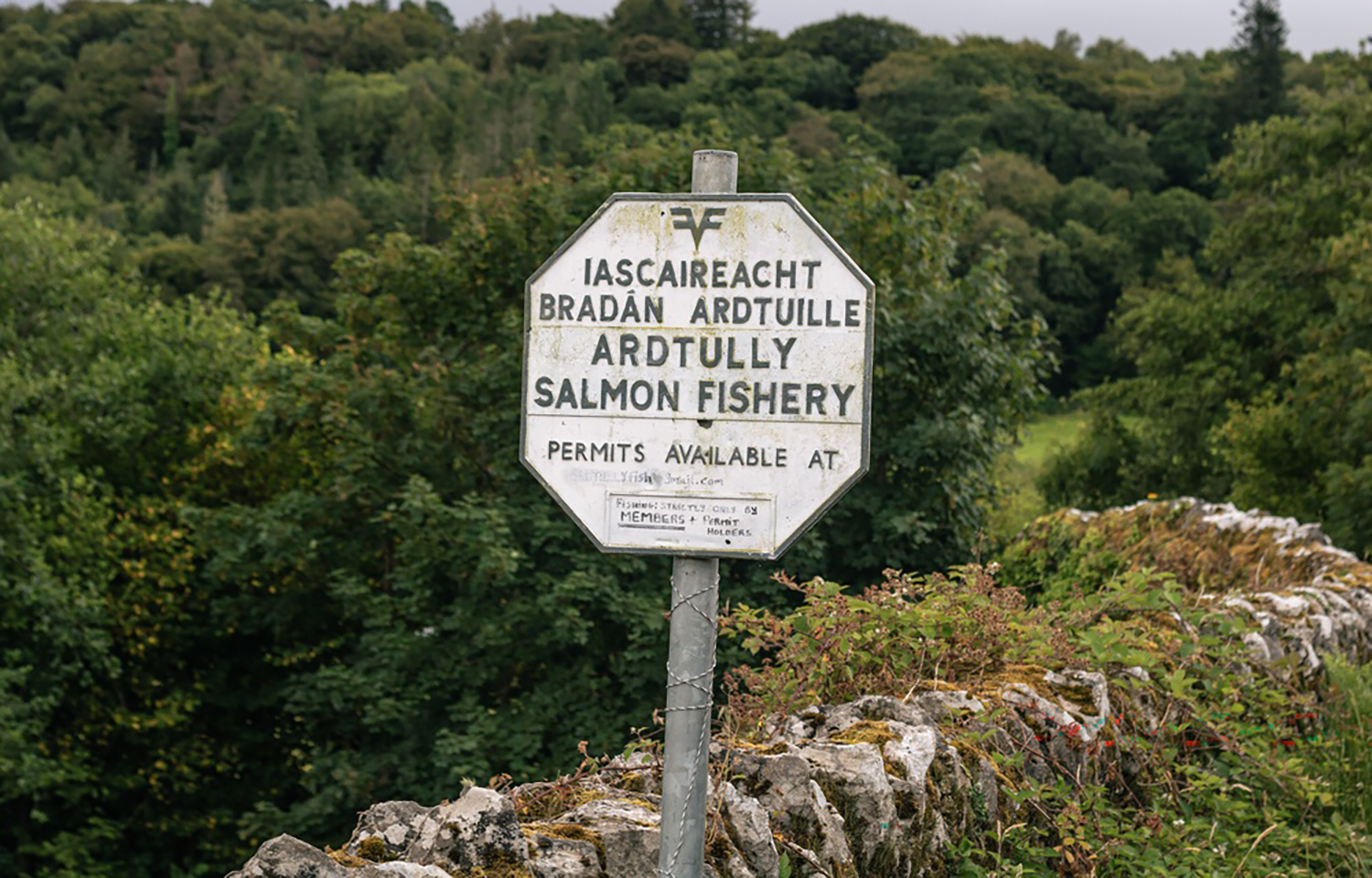
The Irish Department of Climate, Energy, and the Environment has opened up a new consultation, seeking advice from the public and relevant stakeholders on how the country’s wild Atlantic salmon should be managed and protected.
The disappearance of wild salmon from Irish rivers has been dramatic, with numbers of fish migrating back from the ocean to spawn dropping from 2 million in the late 1970s to fewer than 200,000 today, according to figures from state agency Inland Fisheries Ireland (IFI).
An IFI-conducted review released earlier this year attributed falling numbers of salmon to warming waters due to climate change, as well as arterial drainage from large-scale engineering projects that has degraded habitats and barred salmon from migrating effectively, among other issues.
“Seeking views on a package of more precautionary measures for the management of salmon exploitation,” the consultation is open until 30 October and aims to inform management measures for the 2027 fishing season.
Conservation actions proposed in the consultation include a reduction in the number of fish that can be caught from seven to three salmon per angler per season and more stringent restrictions on fishing in rivers that have not shown population growth.
Other proposed measures have included restocking rivers with fry from hatcheries, which IFI said may have a “limited but important” role in restoring local salmon populations. It has also called for gene banking of wild Irish salmon to protect the species.
In announcing the consultation, Irish Minister for the Marine and Fisheries Timmy Dooley said there was “no single cause” for declines in wild Atlantic salmon and “no single measure” that would reverse it.
Dooley added that restricting fishing wouldn’t restore salmon stocks alone, and longer term, the focus must be on creating conditions for protecting and improving habitats, as well as addressing barriers to fish migration.
To that end, the consultation aims to build upon such existing projects as the EUR 110 million (USD 123.3 million) National Barriers Program, which is funded by the Irish government to remove artificial barriers such as weirs on rivers.
Conservation group Salmon Watch Ireland is also calling on the Irish government to place a greater focus on the nation’s aquaculture industry, asking it to require salmon farmers to transition from net-pen cages at sea to land-based farming systems. The group claimed farmed salmon in at-sea coastal cages spread parasites and disease to young wild salmon, reducing their survival rates.
The country’s recreational anglers have similarly targeted aquaculture in the country, with the Federation of Irish Salmon and Sea Trout Anglers (FISSTA) submitting a draft to the new consultation calling for an end to all state-authorized salmon farming and issuance of new licenses.
“Wild Atlantic salmon and [their] habitat has no protection from this government, and the heavy representations from the [Irish Farmers’ Association] are being fully served over the scientific advice that warns us of the consequences,” the group said in its draft submission.
