



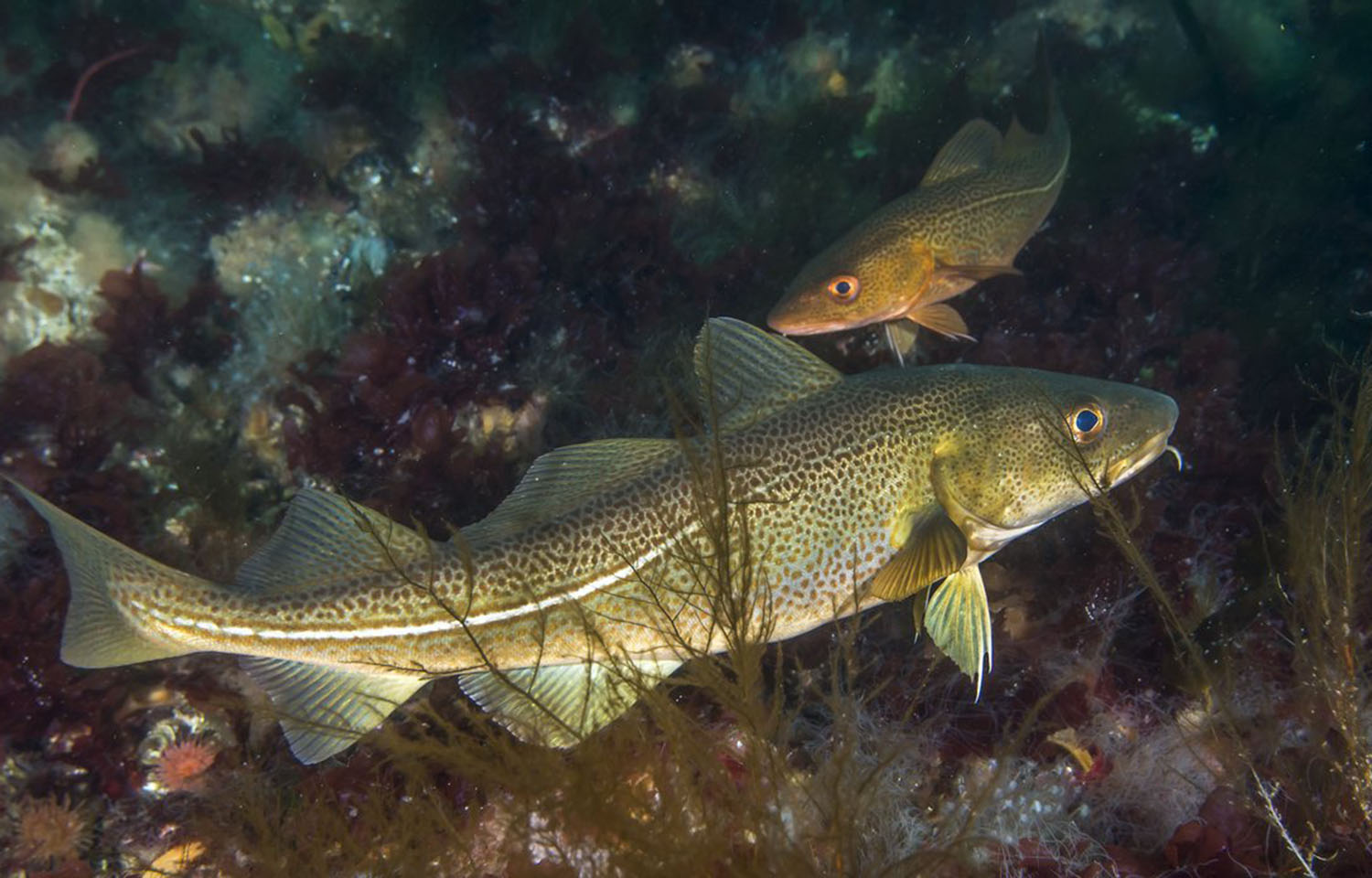
A study by the Norwegian Institute of Marine Research has found warming waters in the Barents Sea could complicate the recovery of cod.
Barents Sea cod has seen heavy quota cuts in recent years, reaching a 30-year low of 269,550 metric tons (MT) in 2025. While the Russian-Norwegian Arctic Fisheries Working Group recommended an increase to 312,667 MT in 2026, that number is still well below historic norms; the quota recommendation for 2021, for example, was 885,600 MT.
The lower quotas are an attempt to help the species recover, but the new research found warming waters may make that recovery more complicated.
“A warmer Barents Sea may be positive for the adult cod, but for the juvenile cod, the new climate has a negative impact,” Shuyang Ma, a research scientist with the Norway Institute of Marine Research, said in a release. “It seems to create more difficult conditions for the yearlings. Fewer survive, and fewer can then be recruited to the adult fish population.”
According to data collected in the 2010s, cod had a record-breaking spawning population for years but were still seeing recruitment failures. The rapid temperature increase may be one part of why the population has failed to recover.
Data also showed that as cod populations increased, other predator species also thrived in the area in which they were targeting juvenile cod. Ma said mackerel expanded their grazing area in the 2010s, and that expansion led it to cod spawning and nursery areas.
“The mackerel has an almost boundless appetite, and if there is overlap between mackerel hunting for food and large cod larvae drifting, it can make big inroads,” Ma said.
Cod can also be cannibalistic, which could also contribute to the decline.
According to Ma, the models showed fishing had some impact on the population but were not the sole reason for the recruitment issues. He added that larger fish will be important to maintain for the health of the stock, as a larger cod typically spawns earlier in the season when predatory pressures from other fish are lower.
