



Correction: This story has been updated to clarify ADF&G's decision to not issue the permits under the commissioner permit process. It has also been updated to reflect that permits were issue for the Upper Subdistrict in both 2024 and 2025.
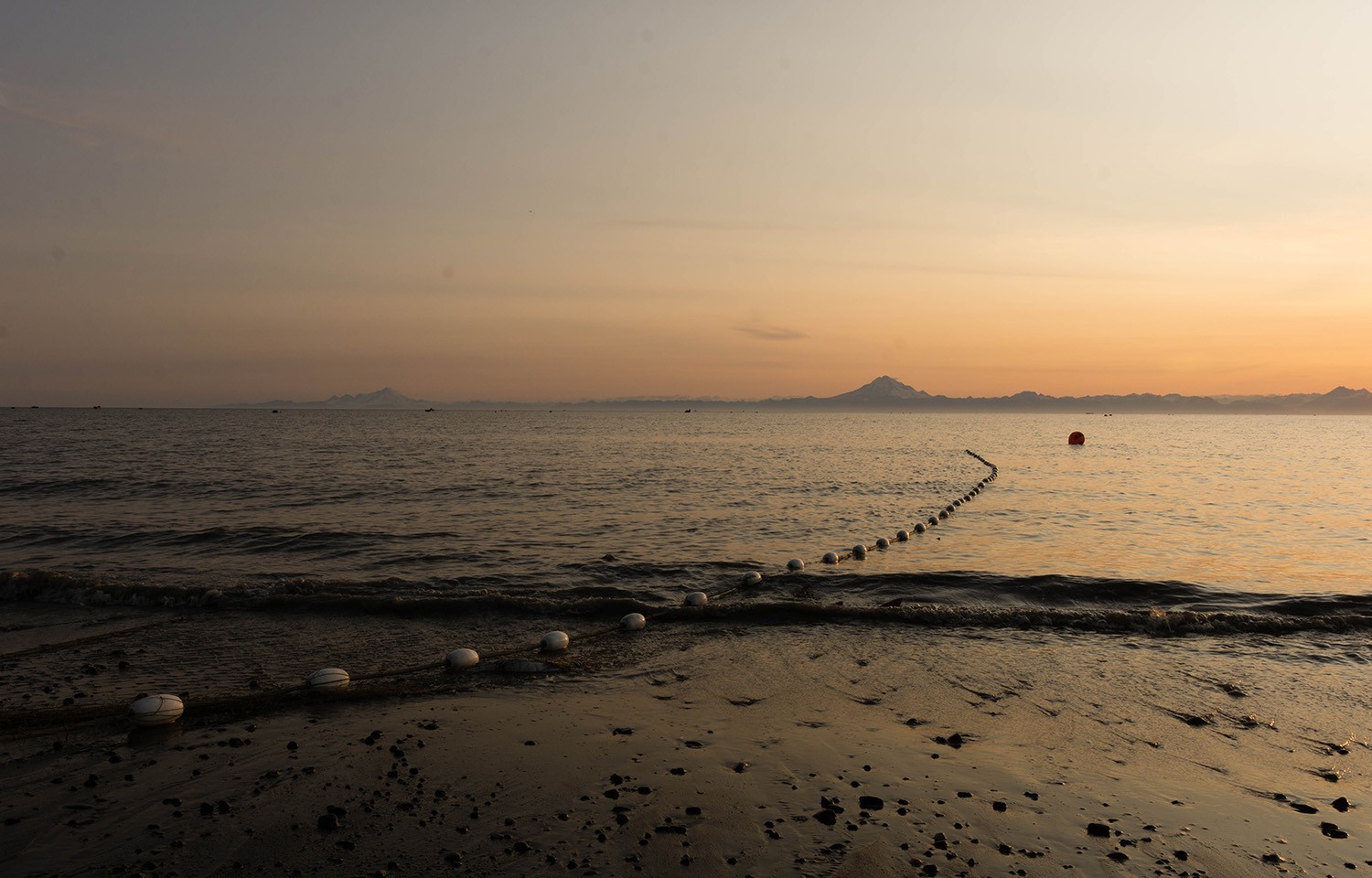
The Alaska Department of Fish and Game (ADF&G) will not issue permits for beach seine fishing for late-run king salmon in the Kenai River, despite the Alaska Board of Fisheries approving a proposal to issue 10 in 2026.
The Alaska Board of Fisheries adopted the proposal at its 1 May meeting, despite strong pushback from state representatives and members of the public, who claimed it would disrupt longstanding fishing practices.
“I’m tired of Board of Fisheries appointees coming before the Legislature promising ‘science-based management’ and then doing the exact opposite once confirmed,” Representative Sarah Vance (R-AK) said in a letter to the Alaska Board of Fisheries, which she published on Facebook.
“The Alaska Department of Fish & Game’s scientific recommendations and concerns were dismissed; meaningful stakeholder input was ignored, and overwhelming public opposition was brushed aside,” Vance continued. “This decision was driven more by politics than sound fisheries management.”
Proposal 192 would have allowed up to 10 commissioner's permits once again, but in a 12 May release, ADF&G determined that issuing commissioners permits under that proposal would “exceed the commissioner's authority" and stated that it would not issue any commissioners permits for beach seine fishing in the area in 2026.
"The Board of Fish, when they passed their new regulations [for] the beach seine commercial fishery, they added a stipulation at the end that the commissioner may issue up to 10 of these permits," Cook Inlet Salmon/Herring and Regional Groundfish/Shellfish Fisheries Management Coordinator Colton Lipka told SeafoodSource. "They did that, but the authority to issue commissioner's permits [currently] lies within the commissioner, so it is ultimately their determination on whether or not those get issued. With this situation, where a commercial fishery was implemented, we cannot issue those permits even if the board put that language in the regulation.”
Lipka told SeafoodSource that commissioner's permits for experimental beach seine fishing were issued for the Upper Subdistrict in both 2024 and 2025.
"The user group approached us and said 'We want to try this; we think it will work,' and submitted a research plan,” Lipka told SeafoodSource. “We authorized that activity through a Commissioner's Experimental Use permit, also called an interim use permit. Under that permit, there's about two pages of stipulations – we're pretty strict about those things and what they can and can't do, and how it should be done. They had to have an observer, there's a lot of basic data that needed to be collected each time beach seines were fished, and then there was a fairly extensive end of season report that was required along with that."
The ADF&G release added that beach seines are “shown to be effective at harvesting sockeye salmon while releasing non-target species,” but that mortality rates post-release would not be tracked under the experimental fishing permit, which is often raised as a concern.
In her letter, Vance said the action to replace traditional setnets with beach seines “was not supported by the overwhelming majority of affected fishermen, coastal communities, or the Alaska Department of Fish and Game’s scientific recommendations.”
“For generations, set gillnet fishermen have supported Alaska families, local jobs, and coastal communities. These fisheries are not just an industry, they are part of the cultural and economic backbone of our working waterfronts,” Vance said. “Alaskans deserve a Board of Fisheries that respects science, values public process, and makes decisions grounded in biological sustainability instead of political pressure.”
Lipka added that the Upper Subdistrict and Kenai River in particular grab a fair bit of public attention any time new changes are implemented.
"It's the Upper Subdistrict, the Kenai River, so everything that occurs here attracts a fairly large amount of attention because these are the high profile areas and fisheries, and what happens in these fisheries affects what happens in river, so you always have that element with anything in Cook Inlet,” Lipka said.
