





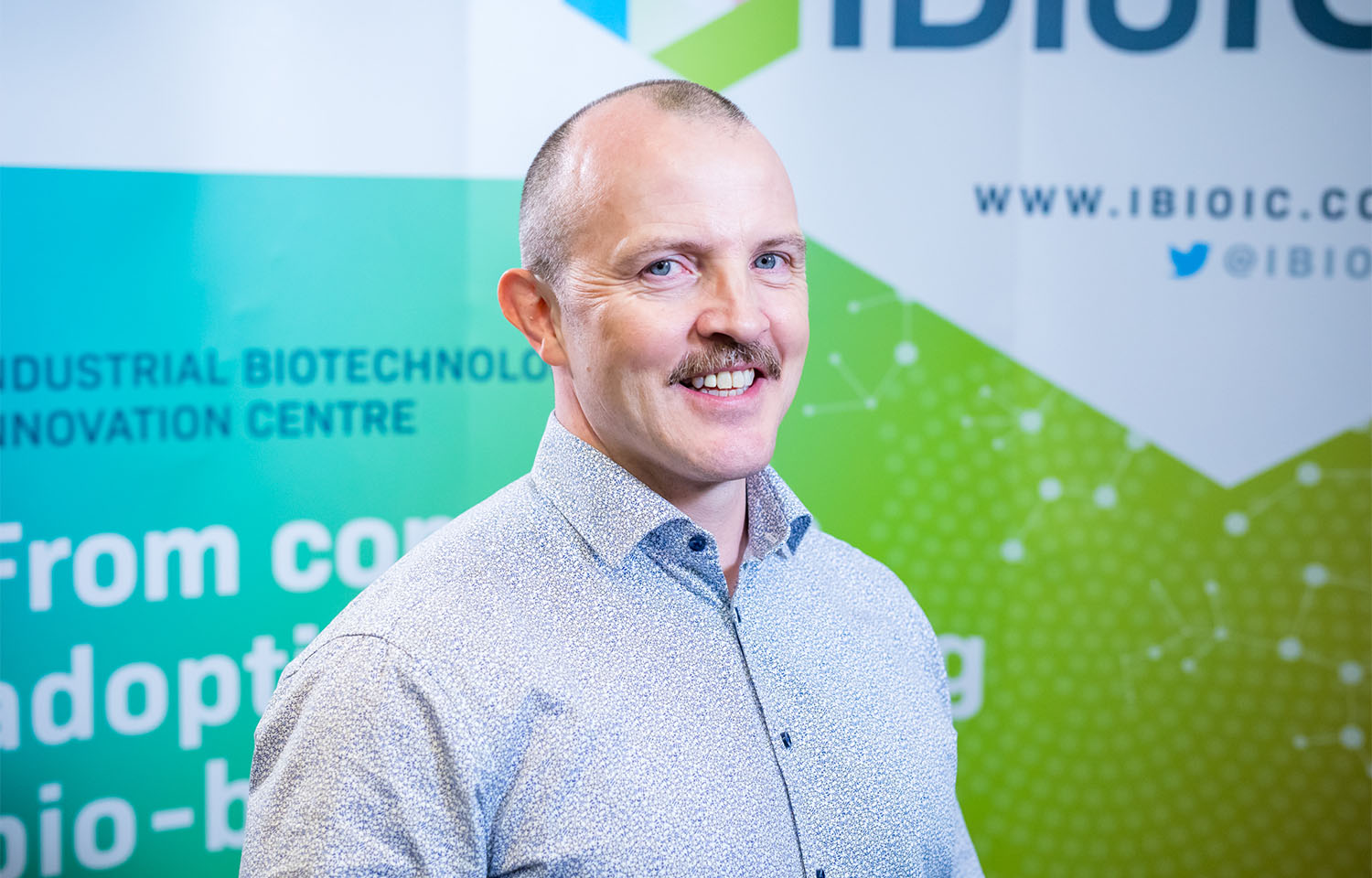
Kim Cameron is the senior impact manager at the Industrial Biotechnology Innovation Center (IBioIC) in Scotland.
From the fishing vessels that land wild-caught fish to the salmon farms along the West Coast, the impact of Scotland’s seafood industry stretches far beyond the shoreline, underpinning over 75,000 jobs and contributing around GBP 5 billion (USD 6.7 billion, EUR 5.8 billion) to the marine economy each year.
Seafood is Scotland’s biggest food export, with Scottish salmon consistently topping the U.K.’s export charts. Yet, for every fish that reaches our plates, large volumes of bones, skin, heads, and shells are left behind. These byproducts are often destined for lower-value applications such as fishmeal or oil, despite also containing protein and other high-value compounds that could be used in a wide range of products, including pharmaceuticals, medical products, and cosmetics.
Turning these side streams into valuable products is not straightforward. Like many established industries, seafood operates under tight margins, complex logistics, and strict regulatory frameworks. Ideas that show promise in the lab can struggle to work in practice if they don’t fit within the realities of existing supply chains. Understanding where side streams arise, how they are handled, and what already happens to them is just as crucial as the science itself.
A collaborative approach has become critical.
Bringing together stakeholders across the seafood sector and innovation ecosystem shifts the focus from individual product ideas to the bigger picture, creating value from under-used resources while strengthening the wider industry.
The Scottish Ocean Cluster – formed by the Industrial Biotechnology Innovation Center (IBioIC), Seafood Scotland, Zero Waste Scotland, Opportunity North East, and the Aberdeenshire Council – was launched in March 2025 to support dialogue and collaboration. Drawing on lessons from an approach first developed in Iceland, it provides a space for producers, processors, researchers, and technology providers to share knowledge and explore potential applications that contribute to Scotland’s net zero and sustainability goals. Its focus is on addressing challenges collectively rather than prescribing a single approach, recognizing that progress is most likely when innovation is grounded in real-world practice.
Scotland combines a globally recognized seafood industry with strong capabilities in biotechnology and related fields, giving the country a solid foundation for growth within the bioeconomy. Linking these strengths makes it possible to explore new uses for materials that are already being landed, creating high-value products, supporting skilled jobs, and diversifying activity in coastal areas.
Innovation in this area is not limited to biotechnology. Changes in processing, handling, and equipment can unlock value, as can new approaches to using materials in both food and non-food applications. Taken together, these efforts point toward a more efficient and resilient industry, where more value is retained and enhanced.
The challenge now is less about identifying opportunities and more about creating the conditions for practical ideas to take root. Efforts to coordinate stakeholders, explore new approaches, and integrate these innovations into existing supply chains are central to realising that potential.
The cluster’s activity aligns well with the Scottish Government’s focus on developing a circular food system. Furthermore, Scotland’s National Plan for Industrial Biotechnology emphasizes a central role for biorefining in developing new sustainable value chains that make the most of key feedstocks like seafood byproducts.
