






The Scottish Ocean Cluster – a pioneering initiative to unlock greater value from Scotland’s seafood industry – has marked its first six months with fresh funding, more than 70 partnership enquiries, and new research highlighting significant commercial opportunities.
Officially launched in early 2025 and spearheaded by national trade and marketing body Seafood Scotland – with partners including the Industrial Biotechnology Innovation Centre, Zero Waste Scotland, Opportunity North East, and Aberdeenshire Council – the Cluster is working to transform the way Scotland uses seafood “side streams,” or those parts of the catch or harvest not destined for traditional protein markets.
By applying biotechnology and cross-sector collaboration, side streams such as shells, viscera, and other by-products could be converted into everything from construction materials to nutritional supplements. Research to date suggests Scotland’s 265,000 metric tons (MT) of seafood side streams could generate three times more value if redirected into high-value markets rather than low-return uses such as fishmeal and oil.
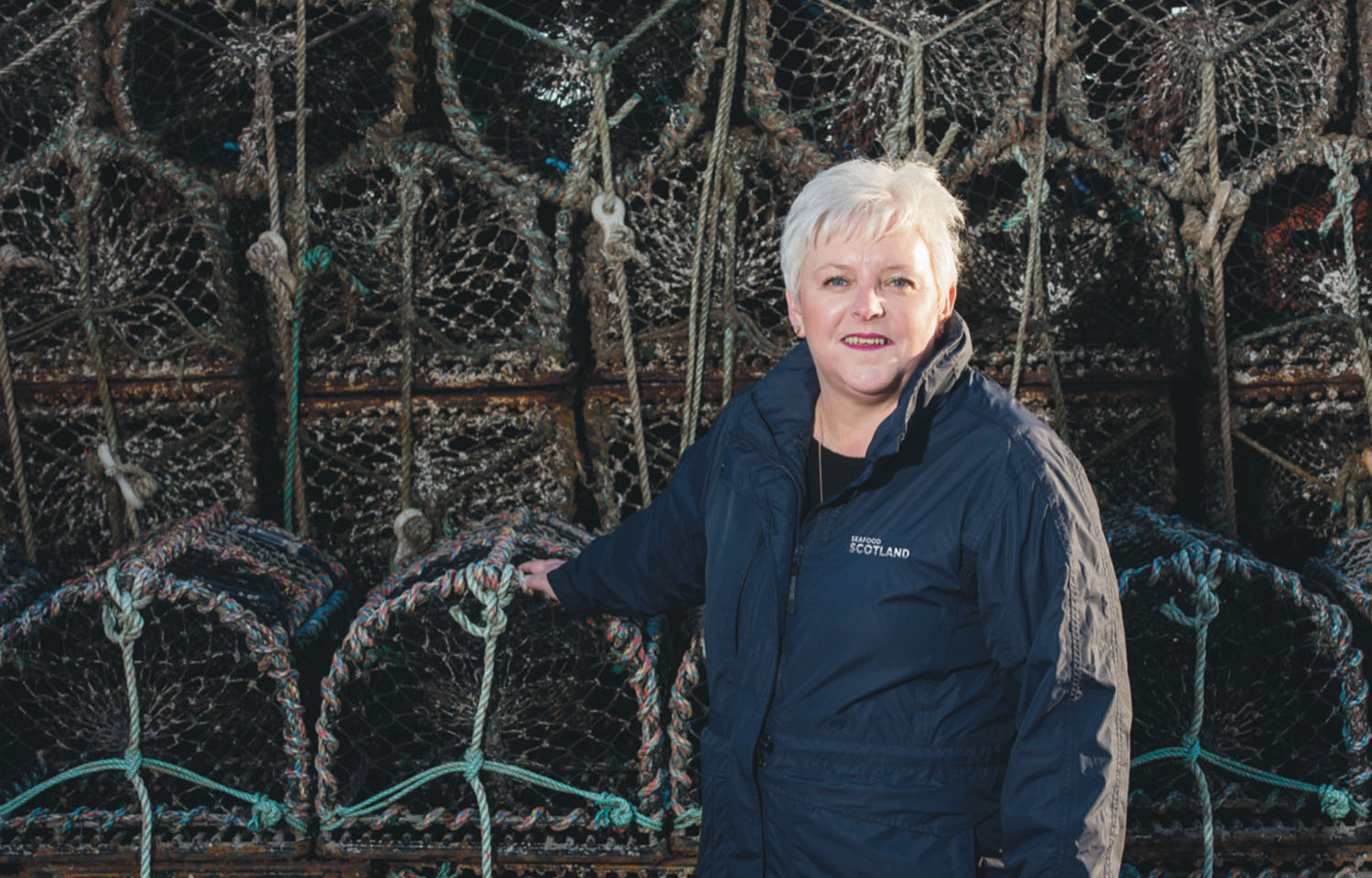
Seafood Scotland CEO Donna Fordyce, a member of the Cluster’s steering group, said the progress made in the first six months has been encouraging, with the funding and interest so far being “a clear indication” of the appetite across some of Scotland’s key sectors to embrace innovation and secure a future for coastal rural fishing communities.
The program’s research and enquiries have uncovered more opportunities to extract value than it thought existed, she said.
“There are so many opportunities to increase the value of seafood side streams – some more complex than others,” Fordyce told SeafoodSource. “As it stands, the most immediately commercially viable ones relate to existing unfulfilled waste, including fish viscera. These are viable products that go to waste, over the side for example, or are taken away at a cost to processors.”
Live enquiries are also being explored in areas like enzyme extraction, which turns discarded material into commercially viable products, she said.
“By finding alternative uses, we have the potential to turn what is currently a cost for industry into a commercial opportunity,” Fordyce said.
Fordyce stressed that ensuring Scotland’s coastal and rural fishing communities benefit directly is central to the Cluster’s mission. She pointed to the importance of collaboration between catchers, processors, and converters to secure better prices from the outset.
“There will also be opportunities for investment in converters – particularly start-ups in biotech and other sectors,” she said. “Other, established Ocean Clusters have seen industry invest in converters, seeing processors and catchers become key stakeholders in innovative start-ups and financially benefitting from their growth. It’s an exciting prospect for contributing to the future security and sustainability of our industry, while fostering successful innovation that benefits Scotland’s wider economy.”
With several organizations – spanning construction, energy, biotech, feed, nutrition, and public sector bodies – expressing interest, the Cluster is now recruiting a dedicated project manager to ensure the process that it’s already working on can evolve and develop in line with the changing volume and complexity of its enquiries.
“This will allow us to take a strategic view on potential projects – looking for common threads across sectors and product requirements, for example,” Fordyce said.
She added that the Cluster is also fortunate to have a “fantastic cross-section of experience” within its steering group, thanks to the involvement of the biotechnology innovation center and Zero Waste Scotland “equipping us with the knowledge base we need to operate effectively.”
