



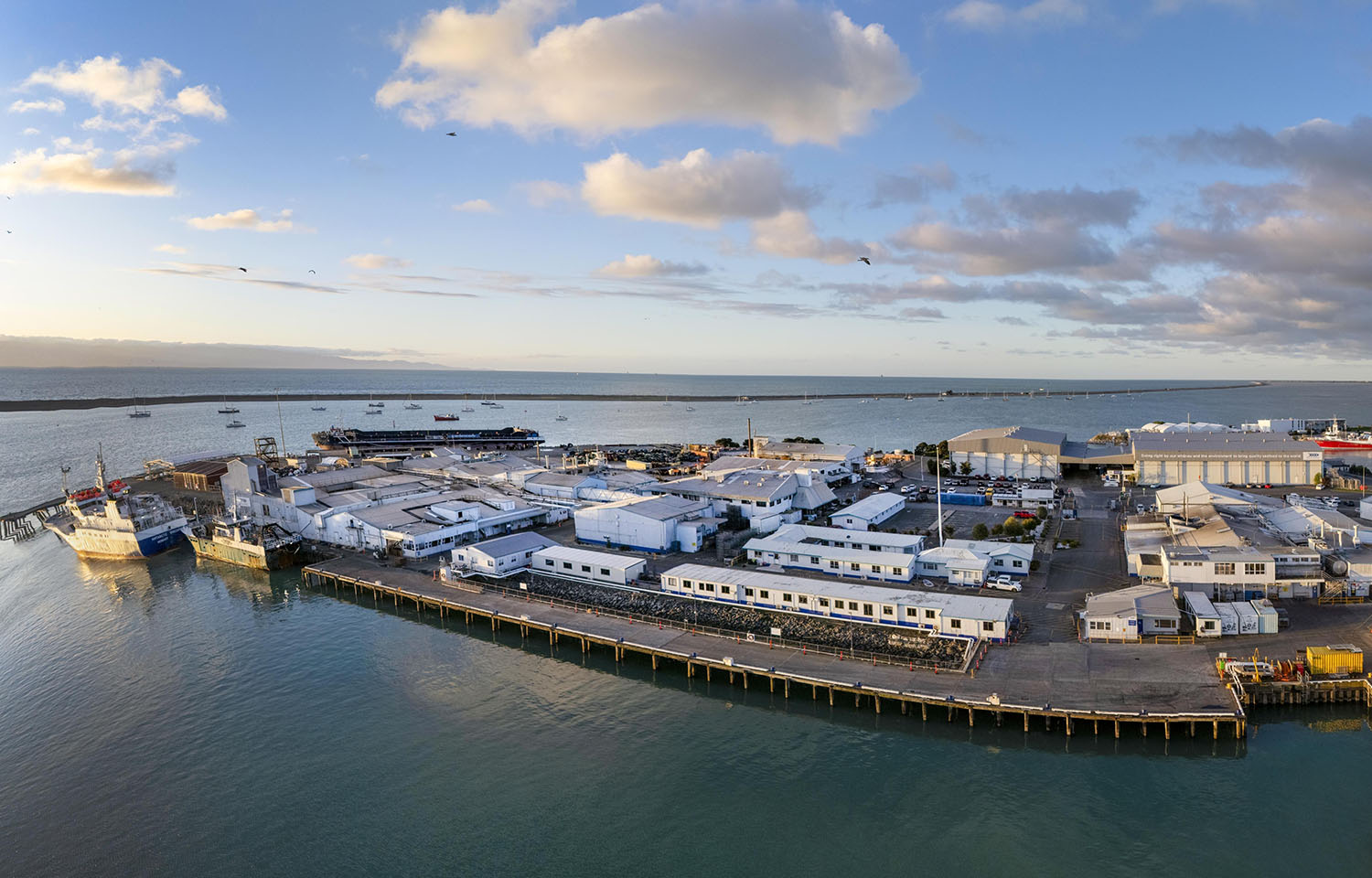
New Zealand-based seafood company Sealord is considering another shift in its Nelson-based operations, this time moving its wetfish and byproduct factories – and fresh fish trawler – to seasonal instead of a year-round operation.
Sealord announced earlier in September that it has begun the process of closing its coated-fish factory in Nelson, New Zealand after a 12-month review of the company’s business. That closure will see 79 people laid off, and represents the closure of the last significant supplier of frozen coated fish products manufactured in New Zealand.
The new announcement is a further withdrawal from operations in Nelson, and would see its fishing vessel Thomas Harrison and its wetfish and byproduct factories operate only from May to September to coincide with the hoki season.
Sealord has six vessels fishing in New Zealand’s waters, with five of them being deep-sea factory trawlers. The Thomas Harrison was a smaller vessel without in-built processing that landed fish at the Nelson site.
“We would prioritise roles for our hard-working wetfish and coated factory staff during hoki season should these proposals go ahead, and they wish to come back,” Sealord CEO Doug Paulin said in a release.
The company would end 59 roles with the new proposal, which Paulin acknowledged will be a difficult process for impacted staff. However, he also said the company was facing the potential full shut down of the fresh fish trawler and all of its land-based operations in Nelson.
“Instead of closing our Nelson site completely, which would impact significantly more permanent employees and be a major economic hit for the region, this seasonal proposal would mean that we’re able to retain the majority of our Nelson-based operations and the jobs associated with them. This also includes our cold store and dry store, and office-based support roles,” Paulin said. “In total we would retain 81 permanent jobs and 400 seasonal roles and save over 90 percent of the economic benefits to the region.”
Paulin said the cost of doing business in New Zealand has increased substantially, and the review of Sealord’s business found that without changing its operations in Nelson the viability of the wider company could have been at risk.
“The reality is that for Sealord Group to be economically sustainable long term, we must reduce our costs and decrease complexity to focus on our core business of fishing,” Paulin said. “Customer demand for wild harvest, sustainably caught New Zealand fish remains strong but the environment we operate in is increasingly complex and uncertain.”
