




Canada’s Department of Fisheries and Oceans (DFO) has announced an increase in the total allowable catch (TAC) of both Atlantic mackerel and Southern Gulf of St. Lawrence fall herring.
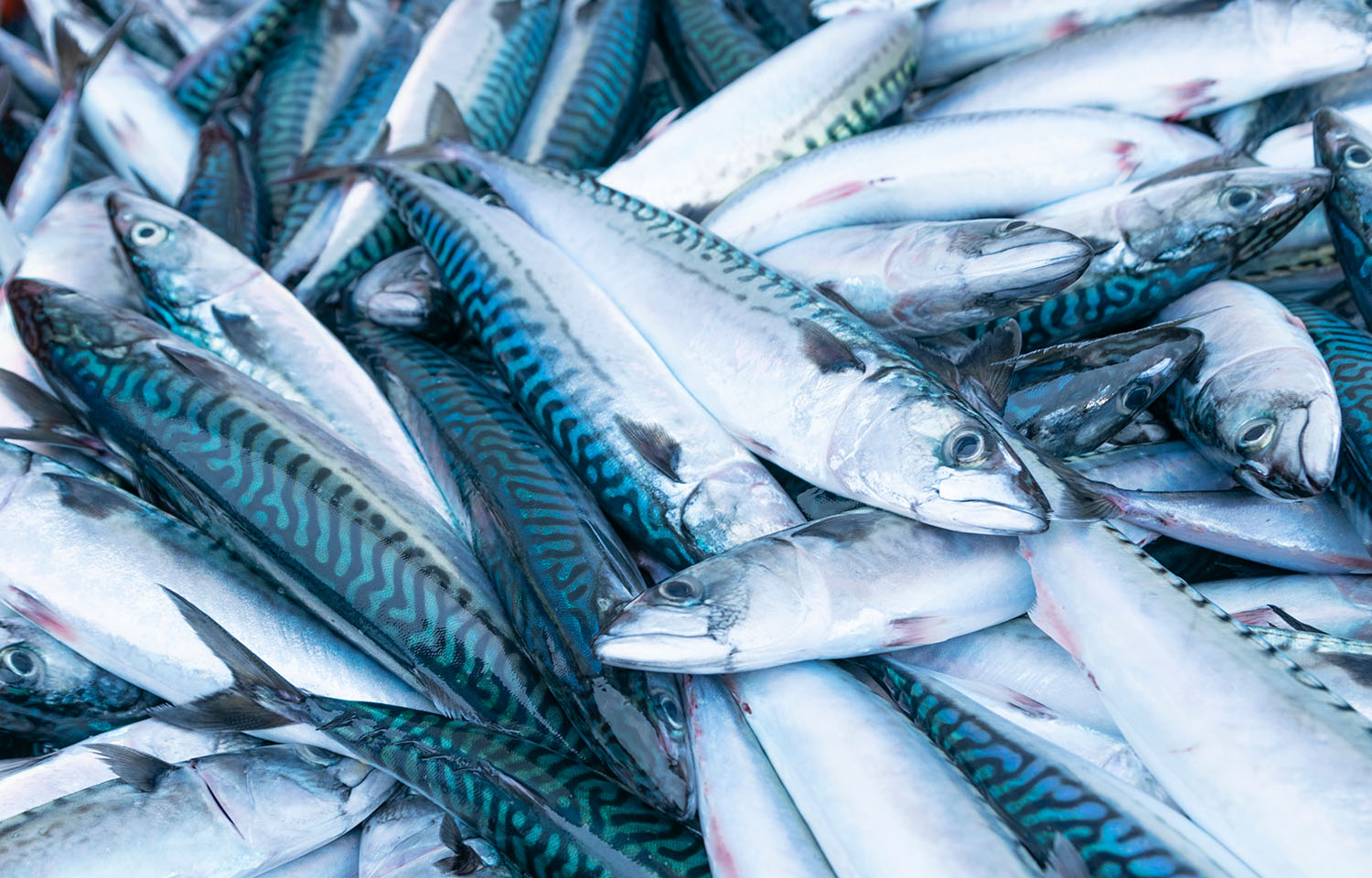
Canada Minister of Fisheries Joanne Thompson announced the increases, which for Atlantic mackerel amounts to tripling the TAC from 500 metric tons (MT) to 1,500 MT, including 1,400 MT for personal-use bait, 60 MT for bycatch, 20 MT for scientific sampling, and 20 MT for live bait for the bluefin tuna fishery. The fishery will have three separate openings, the first of which opened on 27 May, with another two openings “tentatively scheduled” for August and October.
DFO said each opening will see 466.67 MT of the TAC released, and for the 27 May fishery 246.67 MT has been released to compensate for the lower 220 MT TAC that it was operating under.
For Atlantic herring in the Southern Gulf of St. Lawrence, DFO is increasing the TAC to 15,500 MT for 2026 and 2027, up from the 8,500 MT it was set at in 2025. The department said the increase is in response to the improved health of the stock following ga peer-reviewed stock assessment, which showed fall spawning herring is in the healthy zone.
“DFO is also establishing a new allocation framework that distributes the TAC by sector rather than by fixed historical shares, so that fishing opportunities better align with herring abundance across the region,” the DFO said.
The department said the increases will support stronger commercial fisheries in Atlantic Canada and Quebec.
“Our government is committed to maintaining strong, resilient, and sustainable Canadian fisheries,” Thompson said. “These decisions for Atlantic mackerel and Southern Gulf of St. Lawrence herring will support fish harvesters in eastern Canada at a time of increased uncertainty and unprecedented shifts in the global economy.”
The increase in the Atlantic mackerel fishery is related to a combination of peer-reviewed science, industry input, and socioeconomic considerations, DFO said. A peer-reviewed stock assessment showed the stock has grown year over year by almost 50 percent.
The Atlantic mackerel fishery was closed in 2022 to help the stock rebuild, after then-Fisheries Minister Joyce Murray said management measures put in place at the time didn’t go far enough to protect the stock.
Since that closure, advocates for the seafood industry have been pushing for it to be reopened. The Fish, Food, and Allied Workers Union (FFAW), which represents fishermen in Newfoundland and Labrador, has repeatedly called for the fishery to be reopened and expanded, claiming the population has rebounded.
At the time, FFAW President Dwan Street said fishers had been seeing an abundance of mackerel on the northeast coast.
“We are seeing a tremendous abundance of large mackerel, 16 to 18 inches in length, as well as small, or pencil, mackerel,” she said.
While fishermen had pushed for an increase, conservation groups said they were opposed to DFO’s decision to increase the TAC.
Oceans North Fisheries Director Kate Schleit told the CBC the decision was “risky” given the improvements to the stock are only recent.
“The improvements are a positive step along the path to rebuilding,” Schleit told the CBC. “But we're jeopardizing future rebuilding, which would only benefit the industry in the future.”
Fisherman Ben Miller, based in Nova Scotia, told the CBC the increase is a “step in the right direction” but is still a far cry from a commercial fishery for the species.
“I'm still very disappointed that we don't have a commercial fishery,” he said.
Both reopenings also follow DFO announcing a plan in late 2025 to rebuild depleted fisheries in the country, which included 15 rebuilding plans covering Northern shrimp, Atlantic mackerel, white hake, Atlantic cod, American plaice, winter flounder, Atlantic herring, Pacific herring, and Okanagan Chinook salmon.
Of those species, Atlantic cod has also seen its quota increase, and the Northern shrimp fishery has reopened for the first time in 11 years.
