






As the deadline for a return to strike activities along the U.S. East and Gulf coasts looms, leaders of the International Longshoremen’s Union (ILA) and the United States Maritime Alliance (USMX) are working overtime to reach a deal on automation at those ports.
On 6 January, CNBC reported the two parties had met clandestinely on 5 January to plan for the resumption of formal talks on 7 January. The meeting reportedly produced new language on automation, which, if approved by the bargaining committee, will give the union the right to add jobs to compensate for automation-related job loss.
The new language has reportedly led to concerns about labor costs for the carriers, however, and thus could threaten the pay raises that the two parties previously approved when they agreed to a strike freeze in early October.
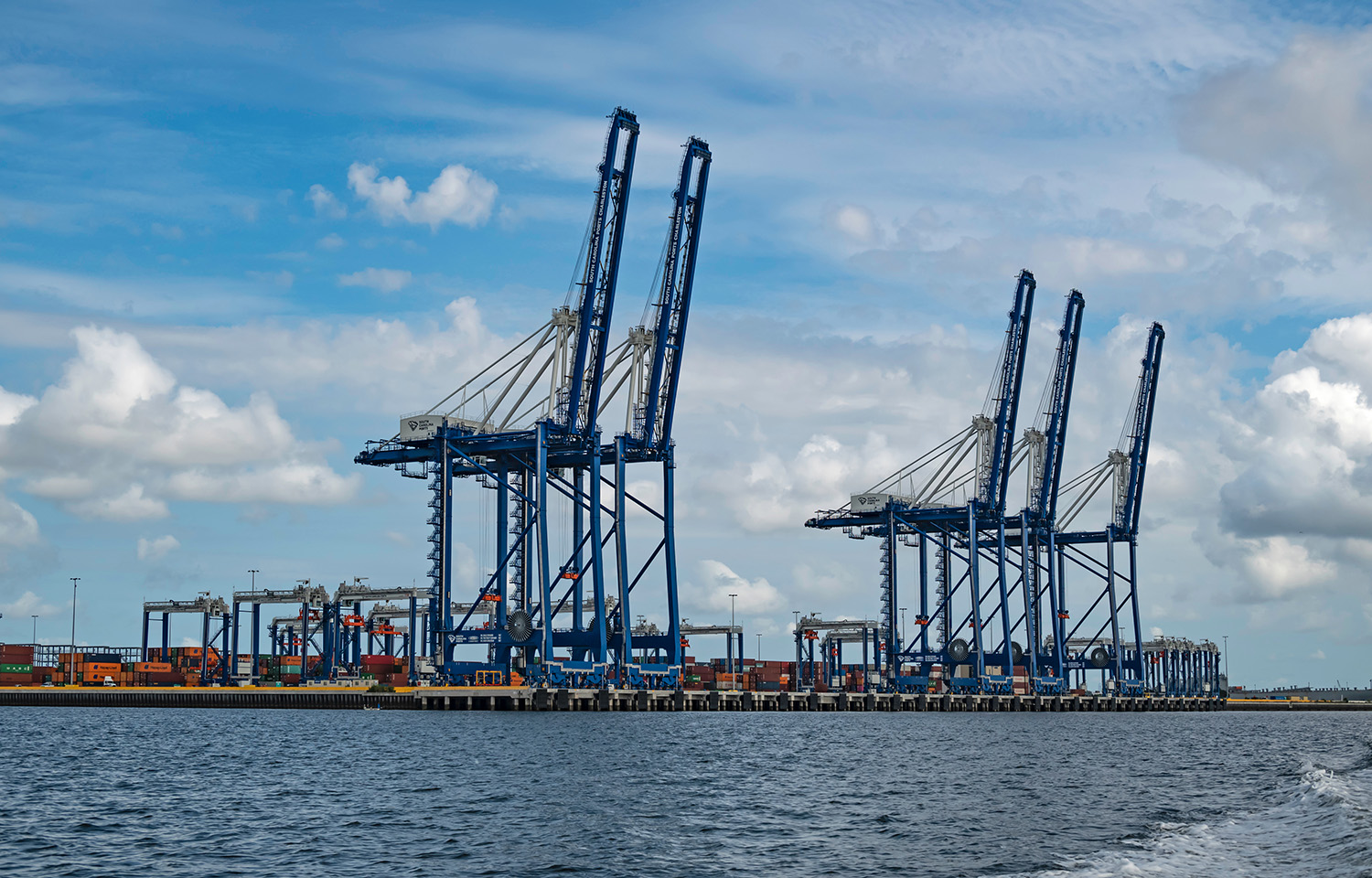
A key issue in the talks is the potential automation of gantry cranes, which remove cargo from shippers and place them on trucks for ground transportation. These cranes are currently operated by some of the highest-paid ILA members.
Darin Miller, a national marine manager and senior surveyor at Sedgwick, an insurance claims adjuster working with many seafood importers who rely on the ports, told SeafoodSource that he understood the position of both the workers and the carriers.
“[Gantry crane operation jobs] are some of the most sought-after jobs for longshoremen. They’re one of the highest-paying jobs,” Miller said. They’re also, he explained, some of the most dangerous jobs.
Data from the U.S. Bureau of Labor Statistics bore this out, showing nearly 300 crane-related deaths between 2011 and 2017, an average of 42 deaths a year.
The union has so far halted the introduction of automated gantry cranes and has repeatedly argued that its members are as efficient as workers in partially automated ports, like those on the U.S. West Coast.
“The union is doing what it’s supposed to do,” Miller said. “They’re protecting jobs; they’re protecting good jobs. I have a lot of respect for these guys because they’re doing a dangerous job, and it says something that they want to protect these dangerous jobs.”
At the same time, Miller conceded that he felt automation was inevitable. The carriers, he said, would continue to push for the most streamlined operations possible.
With automated cranes, there’s no downtime, Miller said, and there are no shift changes or breaks.
"That’s what the shipping lines want," he said. "They want to get the ship in and out as fast as possible, because that’s how they make money. I’m not advocating either side. I’m just telling you that eventually it’s going to happen.”
According to what reportedly occurred at the 5 January meeting, it appears the union may have come to the same conclusion and is hoping to offset the loss of some highly-paid jobs with assurances that more union jobs will be created in the future.
