


For those working on the supply side of the seafood industry, clearly and accurately communicating the sustainable credentials of their products has become essential, but remains difficult for small-scale fishers to achieve, as they often don’t have the resources to attain certification or communicate effectively with consumers, according to Community Catch Director Andrew Hough.
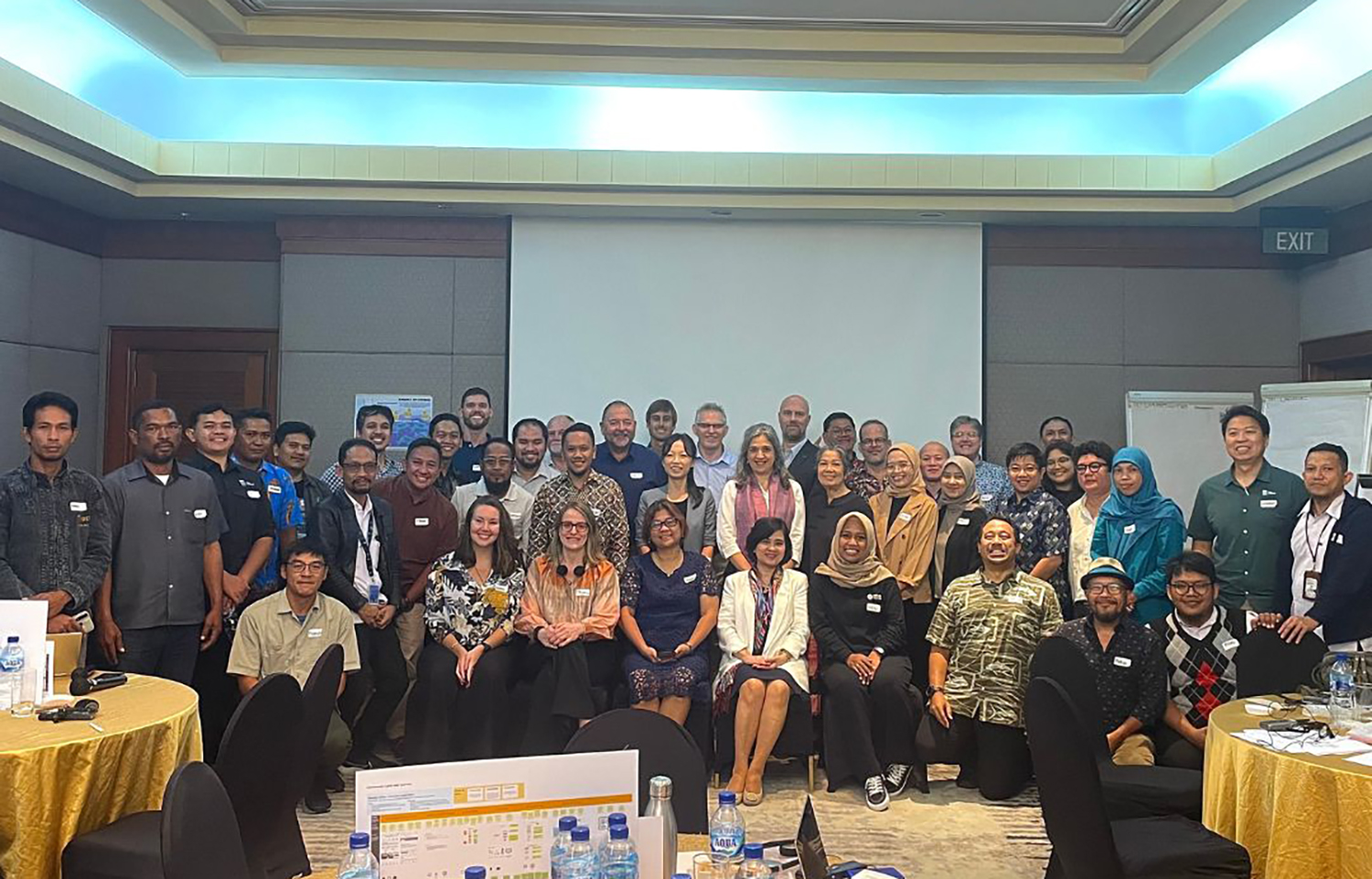
Community Catch, based in London, U.K., aims to address this issue as part of a larger effort to improve market access for small-scale fishers. Launching on the market later this year, the a bespoke seafood market recognition scheme is currently in the midst of a beta test series involving fisheries in Scotland, South Africa, Mexico, and Indonesia.
“Seafood buyers and sellers, especially retailers but also restaurants and foodservice outlets, increasingly seek to provide reassurance to their customers that seafood comes from a responsible source, with proven environmental and socioeconomic sustainability credentials,” Hough said. “Market access is, therefore, often linked to third-party verification. Certification schemes such as the Marine Stewardship Council have been around for over 25 years, but they can be expensive and complicated so have generally been unreachable for most small-scale fisheries.”
Small-scale fisheries contribute around half of global catch volumes and employ more than 90 percent of the world’s capture fishery workers. They also positively contribute to food security and access to nutritious food in countries around the world, according to Hough. But currently, less than 15 percent of global fisheries are certified to an internationally recognized standard.
“Our aim is to facilitate sustainable development for whole fishing communities and to connect them to markets that were previously inaccessible because they lacked the necessary market assurances,” Hough said. “Our independently verified improvement and certification program is applicable to all forms of fisheries and species, including multi-gear and multi-species, and provides recognition of those that are demonstrably moving toward, or meet, our social and environmental standard."
Community Catch's scheme relies on a self-assessment system, including a worker voice survey, with all information evaluated remotely by a third-party assessor. Small-scale fisheries can access Community Catch’s social and environmental standard, which will be ready for public consultation soon, via an open-access digital platform, through which clients can assess themselves against the standard, receive feedback on areas of improvement, go through independent third-party evaluation, and receive support and guidance at all stages. Fishery stakeholders can also access the platform, and their input is baked into all evaluations.
“There are no expensive on-site audits and no repetitive reporting, making the whole process more cost-effective. This means that the costs involved in certification and improvement can realistically be offset by market benefits,” Hough said. “We have a core team driving the program and are supported by a diverse advisory board with representatives from fisheries, supply chain, government, academia, and NGOs from around the world to ensure that our comprehensive standard is fit for purpose.”
The standard assesses fisheries across eight pillars – labor rights, health and safety, community development opportunity, governance, commercial species, biodiversity, climate change, and animal welfare – and was developed through referencing the FAO Code of Conduct for Responsible Fisheries, International Labour Standards (ILO), and the FAO Voluntary Guidelines for Securing Sustainable Small-Scale Fisheries, according to Hough. It also aligns with global benchmarks for sustainable seafood production, most notably the Global Sustainable Seafood Initiative’s (GSSI) global benchmark tool for seafood certification schemes.
Supporters of the project include Marks & Spencer Food, which has provided funding for the scheme’s development and holds a role on the advisory board. Marks & Spencer has taken the lead on a number of seafood sustainability initiatives, including decapod crustacean welfare and other animal welfare issues.
“At M&S, we take responsible sourcing of seafood seriously. We are also incredibly supportive of small-scale fisheries around the world and want to help and encourage them to access new markets and demonstrate their credentials,” M&S Food Group Aquaculture and Fisheries Manager Linda Wood said. “We feel that Community Catch will provide much-needed support and recognition for these fisheries, not only around environmental issues but also on social and animal welfare matters. The initiative will also enable us to source with confidence from fisheries that were previously inaccessible to us.”
Hough said he hopes to see more international seafood buyers engaging with new small-scale fisheries as a result of the introduction of the new standard. He said Community Catch is just the beginning of small-scale fishery improvement.
“We are confident that we have developed a robust new seafood certification scheme that will be widely welcomed around the globe,” he said. “However, I don’t believe there is a single solution to improving the world’s fisheries, and Community Catch seeks to work collectively with others to achieve sustainable development in all small-scale fisheries.”
