






More than USD 105 million (EUR 89.9 million) of NOAA’s fiscal year 2026 budget is earmarked for roughly 100 projects hand-selected by U.S. lawmakers, with much of the spending dedicated to supporting fisheries and aquaculture.
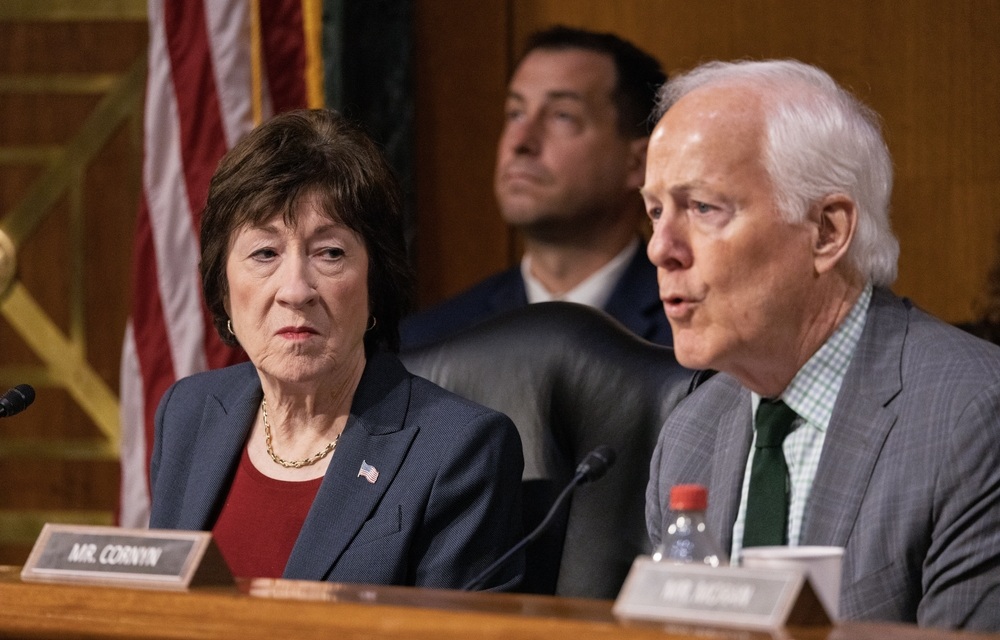
Leaders of the U.S. House and Senate appropriations committees released a bipartisan spending bill for the U.S. Department of Commerce – which houses NOAA Fisheries – and several other departments on 5 January. Lawmakers are hoping to get the regular appropriations process back in order after missing their deadline last September, plunging the federal government into a partial shutdown for several weeks. The government was reopened under a short-term spending bill in November, and Congressional leaders have stated their intent to pass regular appropriations bills to cover the remainder of the fiscal year before it expires 30 January.
The bipartisan bill largely aligns with the earlier Senate draft, keeping funding for NOAA Fisheries flat at roughly USD 1.12 billion (EUR 955 million). The legislation includes several directives on what NOAA should focus on for the remainder of the fiscal year, but it also lists more than USD 105 million from NOAA's budget in Congressionally directed spending – otherwise known as community project funding or earmarks – toward projects and organizations in lawmakers’ respective states.
“This is a fiscally responsible package that restrains spending while providing essential federal investments that will improve water infrastructure in our country, enhance our nation’s energy and national security, and spur scientific research necessary to maintain U.S. competitiveness,” said U.S. Senator Susan Collins (R-Maine), who chairs the Senate Appropriations Committee. “The package supports our law enforcement and provides funding for national weather forecasting and oceans and fisheries science to save lives and livelihoods. It provides investments in our public lands and upholds our commitments to tribal communities.”
Funding for individual projects ranged from USD 56,000 (EUR 47,925) for Connecticut College to conduct a marine habitat feasibility study of the Thames River to USD 5 million (EUR 4.3 million) for the University of Maine to expand the Gulf of Maine Ocean Observation System.
In addition to the University of Maine funding, the appropriations bill includes 10 projects that will receive at least USD 1.5 million (EUR 1.3 million) that directly relate to fisheries and aquaculture. They are as follows:
- USD 3.5 million (EUR 3 million) for the Bristol Bay Science and Research Institute for in-season genetic analys to reduce chum salmon bycatch in Alaska’s commercial pollock fishery;
- USD 2.5 million (EUR 2.1 million) for the North Pacific Research Board’s North Bering Sea Integrated Ecosystem Research Program;
- USD 2 million (EUR 1.7 million) for the Maryland Department of Natural Resources’ efforts to mitigate invasive blue catfish;
- USD 2 million for the Alaska Fisheries Development Foundation’s Alaska Seafood Modernization Initiative;
- USD 1.9 million (EUR 1.6 million) for the Coonamessett Farm Foundation for work on developing resilient fisheries in Massachusetts;
- USD 1.5 million for the University of Alaska Fairbanks to improve salmon counting with drone-mounted maritime lidar;
- USD 1.5 million for the Great Lakes Commission to conduct regional coordination;
- USD 1.5 million for the Pacific Islands Fisheries Science Center for Western Pacific observer coverage;
- USD 1.5 million for the University of Maryland’s Center for Precision Aquaculture; and
- USD 1.5 million for the University of South Florida for ocean instrumentation that can improve forecasting of hurricanes, storm surges, and harmful algal blooms.
Additionally, lawmakers have dedicated USD 6.6 million (EUR 5.6 million) in cumulative spending on oyster research and aquaculture spread over seven projects.
Lawmakers could still make changes to the legislation, though leaders in both houses of Congress have indicated their intention to pass the bill quickly and send it to U.S. President Donald Trump to be signed into law. Fiscal year 2026 appropriations bills will need to be approved before 30 January in order to avoid another government shutdown. A full list of projects currently set to receive funding if the bill passes can be viewed on the Senate Appropriations Committee’s website.
