






U.S. Congressional appropriations leaders have included several fisheries and aquaculture provisions in a recently released bipartisan budget bill for the U.S. Department of the Interior, which is part of a package of bills that need to pass by the end of January to avoid another government shutdown.
The legislature is months behind schedule in passing appropriations legislation for the fiscal year of 2026, having missed the 30 September deadline and plunging the nation into a government shutdown for several weeks. Lawmakers finally passed a short-term spending bill in November to reopen the government, but that funding is set to run out 30 January. With just a few weeks left to authorize more federal funding, Congressional leaders from the House and Senate appropriations committee have negotiated and released a trio of appropriations bills that will fund the government for the remainder of the fiscal year.
The bill funding the Department of the Interior includes several seafood provisions that were included in the House and Senate drafts being considered over the summer, but the newly negotiated proposal trends toward the higher funding levels included in the Senate version. As with the appropriations bill funding the U.S. Department of Commerce and NOAA Fisheries, lawmakers have largely rejected the massive spending cuts proposed by U.S. President Donald Trump.
The bipartisan version includes USD 225.8 million (EUR 193.2 million) for fish and aquatic conservation, close to the USD 226.8 million (EUR 195.7 million) Congress enacted for fiscal year 2025. That’s substantially more than the USD 152 million (EUR 131.2 million) requested by the Trump administration, which sought a 33 percent cut in funding.
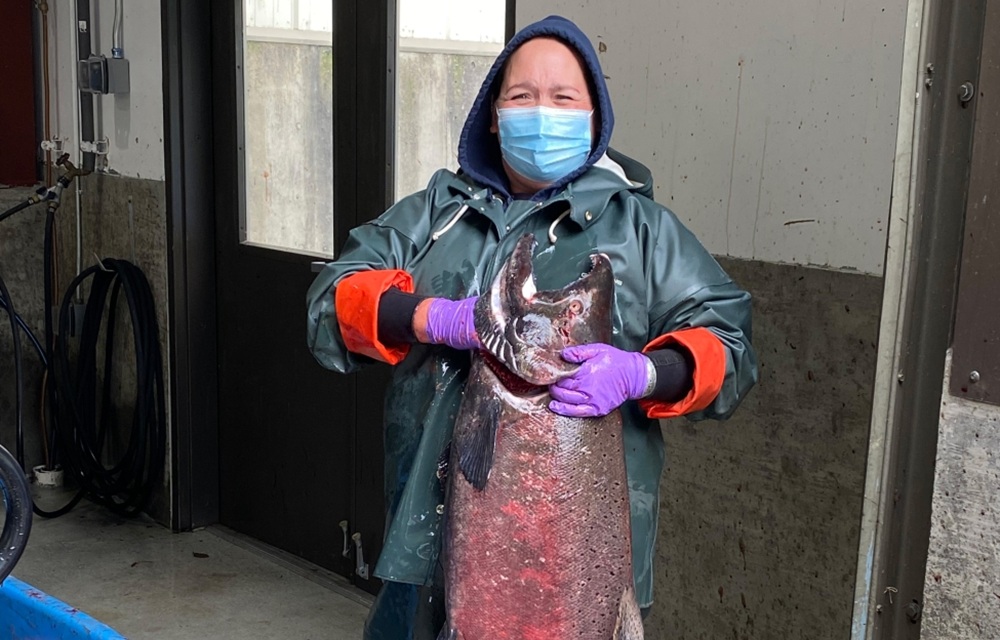
That budget line includes USD 79 million (EUR 67.6 million) for Mitchell Act hatchery operations, an increase of USD 3.9 million (EUR 3.3 million) over 2025 enacted levels, and USD 122.2 million (EUR 104.6 million) for aquatic habitat and species conservation, a decrease of USD 4.4 million (EUR 3.8 million).
The bill also includes funding for tackling aquatic invasive species, including USD 27 million (EUR 23.1 million) for tacking invasive carp and USD 4 million (EUR 3.4 million) for contract fishing of carp. Tackling invasive carp, which have spread throughout the U.S. and are threatening to enter the Great Lakes, has become a priority for Trump. After meeting with state officials, Trump directed the federal government to expedite all efforts to stop the species' advance, including the purchase of land in the state of Illinois that serves as a chokepoint for entry into the lakes.
