



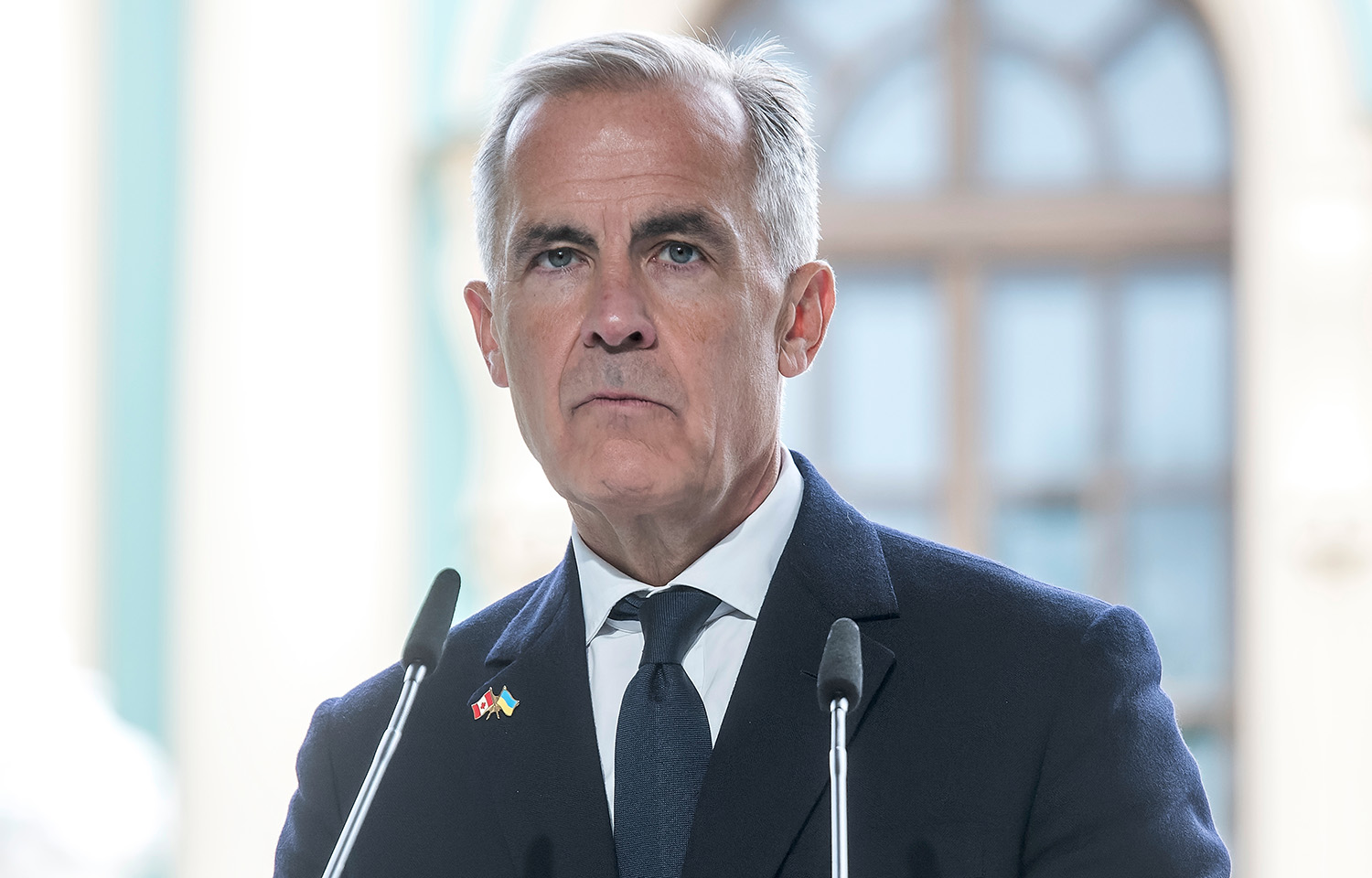
Canada Prime Minister Mark Carney has unveiled the first-ever National Food Security Strategy, designed to create a robust, more affordable food system.
The new strategy covers imports, domestic production, retailers, and more. A central theme across all aspects of the new plan is strengthening domestic production of a range of different products – including seafood.
“Canada is one of the world’s great food producers. But, too much of what we grow is processed elsewhere, and too many Canadians still rely on imported food at higher prices,” Carney said. “Canadian farmers deserve more options to sell their produce, and Canadians deserve more options for where to buy their food. Canada’s first-ever National Food Security Strategy will help grow and process more food here and put more Canada on Canadian plates – lowering costs, creating jobs, and building a food system that is more resilient, more competitive, and more our own.”
A key aspect of the new strategy is enhancing the processing sector of the country, which currently provides roughly 70 percent of the processed food, beverage, and seafood products consumed in Canada.
“Despite its current size, Canada does not process nearly as much of the food that is grown or harvested in Canada as it could,” the strategy said. “Instead, this food is exported to other countries to be processed. This decreases our food sovereignty, and it also means that we lose out on potential economic gains of processing the food in Canada.”
Canada’s reliance on seafood imports was another highlight of the report. Canada imports CAD 2.5 billion (USD 1.8 billion, EUR 1.5 billion) worth of prepared and packaged seafood products annually, despite having a lengthy coastline and robust fisheries and aquaculture production.
“Imports represent the majority of processed seafood consumed in Canada, despite us being a major producer of high-quality seafood,” the report said. “What domestic fish and seafood processing capacity Canada does have is highly concentrated in just a few locations. Many coastal, northern, remote, and Indigenous communities lack sufficient local processing, cold storage, and logistics infrastructure, thereby limiting domestic availability, increasing costs, and reducing self-sufficiency.”
The new food strategy said Canada’s Department of Fisheries and Oceans is working to renew the nation's fisheries fund to enhance Canada’s fish and seafood sector. Canada Minister of Fisheries Joanne Thompson pledged to support the industry during Seafood Expo North America in Boston, Massachusetts, earlier this year, which includes the enhancement of the fisheries fund.
Thompson told SeafoodSource after the announcement that the fund is in need of development to match the current needs of Canada’s seafood industry.
“It was geared for that time, and we know things have shifted,” Thompson said. “This round of funding, we really wanted to look at it through partnerships, and I’m pleased to say that my counterparts in Quebec and Atlantic Canada really embraced that idea.”
