



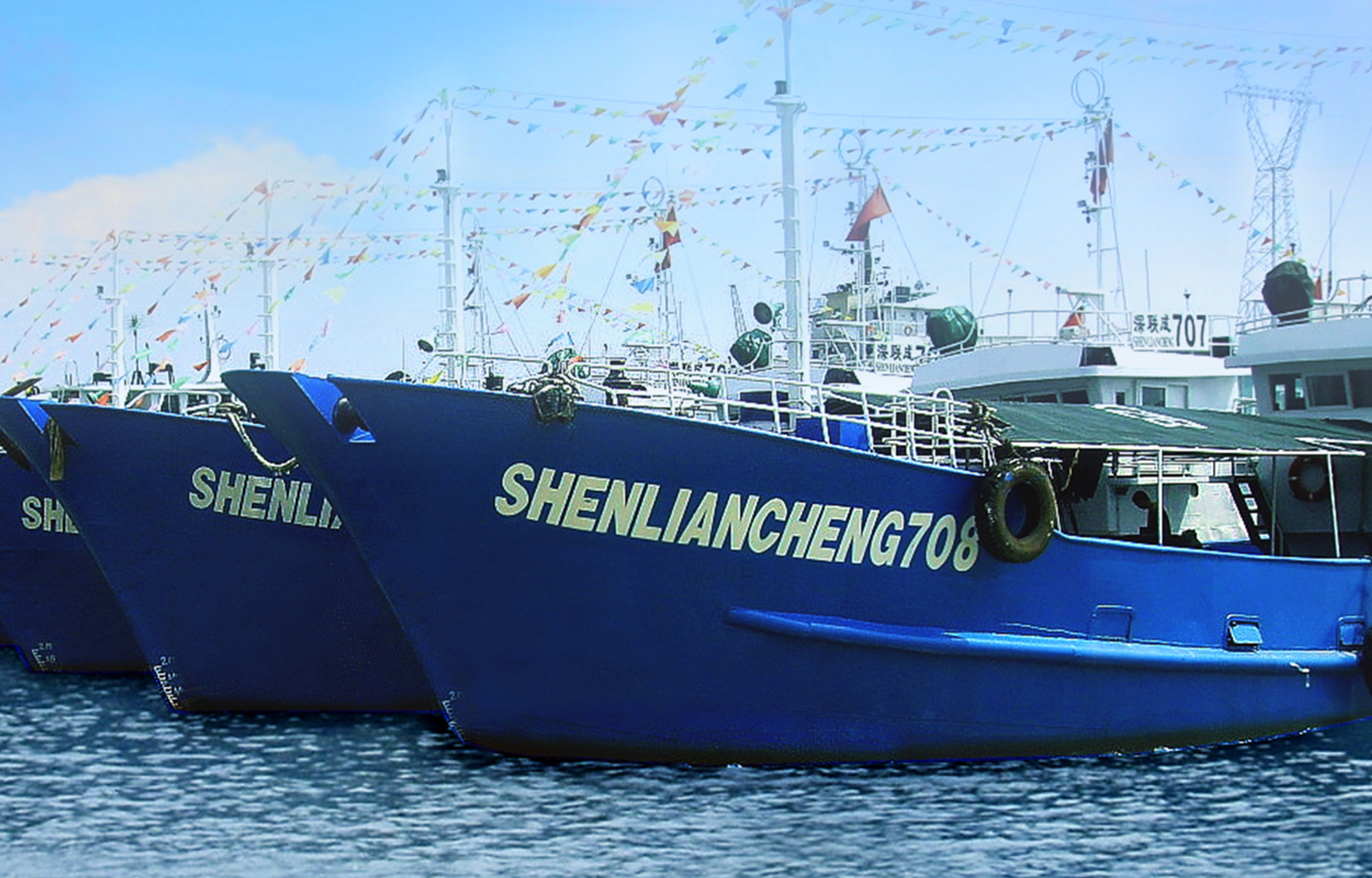
Liancheng Ocean Fisheries Group, a Chinese tuna-fishing company based in the southeastern city of Shenzhen, has announced plans to build a new processing plant in an attempt to tap domestic demand for tuna.
Liancheng Ocean owns 72 longline fishing vessels, but also buys from 60 partner vessels, according to Dong Wenyan, the deputy general manager of the Liancheng Ocean Frozen Fleet. Wenyan further explained that the company sources tuna from the Pacific Islands, which is then transported to Shenzhen Airport by air within two days of capture.
The new plant, being built in collaboration with its sister company Huanan Fisheries, will help to expand domestic supply of its fresh tuna, according to the firm.
Liancheng has previously focused on supplying a range of clients in Europe, the U.S., and Japan.
With a similar objective of tapping domestic demand, the Guangdong Ocean Fisheries Association and Shenzhen Dachan Bay Port Investment Development Co. have signed an agreement to jointly promote the construction and operation of a new project to drive sales in both Guangdong province and neighboring Hong Kong and Macao.
The two announcements suggest Chinese tuna companies are seeing more potential for tuna processing and sales activities in China.
This marks a shift in strategy from late last year, when Chinese demand for tuna was tepid and the nation’s tuna-fishing fleet turned abroad to grow its sales in a move that angered some E.U.-based tuna producers.
“Cheap tuna produced with lower standards than European regulations require, especially regarding labor conditions onboard tuna vessels, has been and still is a real threat to E.U. tuna producers because we cannot compete fairly with subsidized fleets and processing industries of tuna loins in China,” Julio Morón, the director general of Madrid, Spain-based tuna producers representative body OPAGAC, told SeafoodSource last October. “Further, the E.U. consumer is unable to identify the origin of tuna once it is in the can because the current marking requirements exonerate tuna cans for marking the vessel’s nationality that caught the fish it contains.”
