






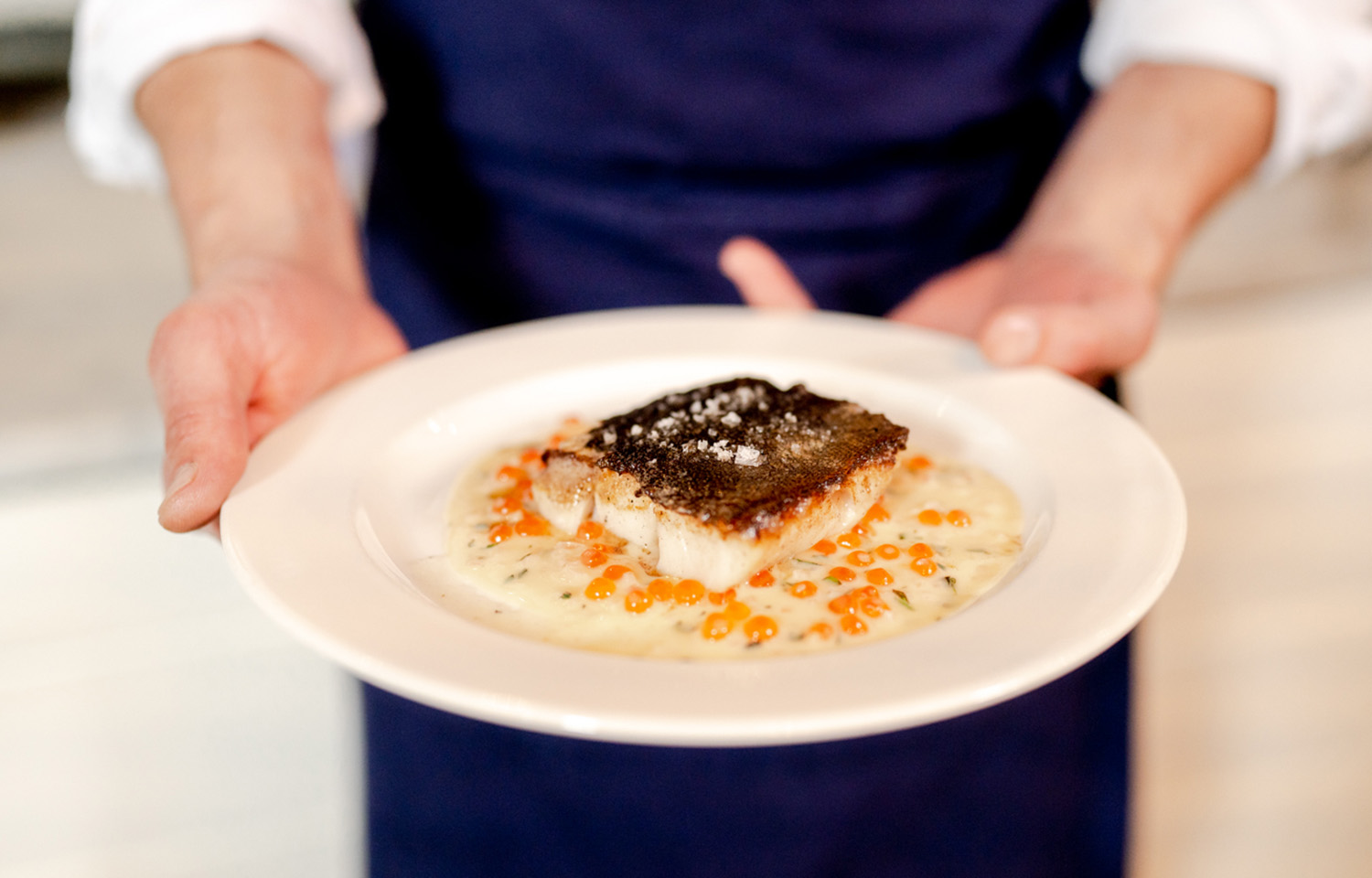
Nonprofit organization Eat on the Wild Side is working to build demand for sablefish as demand for the resource continues to fall short of its abundance.
Eat on the Wild Side launched a marketing campaign for sablefish – also known as black cod – in July thanks to funding from a fiscal year 2023 NOAA Saltonstall-Kennedy Grant, which gave the nonprofit USD 236,000 (EUR 214,000) to promote the species. The marketing initiative, dubbed NW Sablefish, has set out to spread information on the species to consumers in the U.S. through partnerships with chefs, NW Sablefish Project Coordinator Katie Harris told SeafoodSource.
“Sablefish is kind of an unknown entity in large parts of the country,” Harris said.
The campaign, in part, came at the behest of fishermen who fish for the species. Eat on the Wild Side manages the Marine Stewardship Council (MSC) certification for sablefish and halibut in the U.S., and a lot of harvesters who are members of the certification said they wanted better marketing for sablefish.
Harris said one of the barriers to creating the campaign was funding, and the Saltonstall-Kennedy Grant from NOAA was a huge boon to its momentum.
“I just took it upon myself to write a Saltonstall-Kennedy Grant and was really surprised when we got it,” she said. “It’s infused so much energy into our group, and it’s been a great unifier in helping us all figure out what to do to promote this fish.”
The fish in question is also increasingly abundant. In 2019, the total allowable catch was 26 million pounds, and it increased from there to 43 million pounds in 2021, 56 million pounds in 2022, and 62 million pounds in 2023.
That increasing quota has been coupled with relatively flat demand, driving down prices and leaving fishermen with an abundant resource that isn’t worth fishing. A strong American dollar coupled with a weak Japanese yen also meant reduced buying power in the main market for the species, further depressing the fishery.
“For sablefish harvesters, there was always a market in Japan that was very open to sablefish, and that market has change dramatically,” Harris said.
Alaskan Leader Seafoods Value-Added Programs President Keith Singleton, who has also been promoting its own sablefish products to boost demand, told SeafoodSource in early 2024 the fleet tied up at the end of 2023, as high fuel and bait prices made fishing for the species unviable.
The high quota but low demand was a primary driving factor for how Eat on the Wild Side is promoting the species as a sustainable option, Harris said.
“The word sustainability gets thrown around a lot, so we’ve had to really define it ourselves; it’s easy to do because of the resource itself and the way the fishery is managed,” she said.
The marketing campaign is bringing in restaurants and chefs to promote the species as a delicious, sustainable whitefish that consumers can cook at home. Harris said that from the beginning, the campaign planned to use chefs and restaurants as partners and emphasize the role chefs can play in promoting sustainability through the food they serve.
When it came time to market sablefish, getting chefs to participate was easy, Harris said.
“I was amazed at how every chef I approached was really eager to participate,” Harris said. “They all said, ‘Oh, we love sablefish. We love cooking sablefish and serving it.’"
Chef Victor Steinbrueck from the Local Tide and Renee Erickson’s Sea Creatures family of restaurants created a series of chef profile videos and sablefish recipes for the NW Sablefish campaign, and the campaign’s website nwsablefish.com, as well as PGTSND Productions, created a suite of visual media to go along with the new content.
“[Chefs'] influence can help shift and shape consumer minds and behavior toward sustainability, and if we can foster some partnerships between the harvesters and restaurants, it just leads to more visibility for sablefish,” Harris said.
Harris said even outside the new chef-created recipes, sablefish is an easy species to promote, as it has a mild flavor on its own and is difficult to overcook compared to other seafood species.
“I’ve never talked about a fish that has so much universal appeal when it’s prepared well,” she said.
The ultimate goal for Eat on the Wild Side is working to help harvesters and communities with access to the resource by securing a more robust market.
“I think the idea here is that if we can help inform consumers about a really wonderful, delicious, sustainable seafood product in the U.S., we can help shift that market and make a stronger market for sablefish harvesters,” Harris said.
