


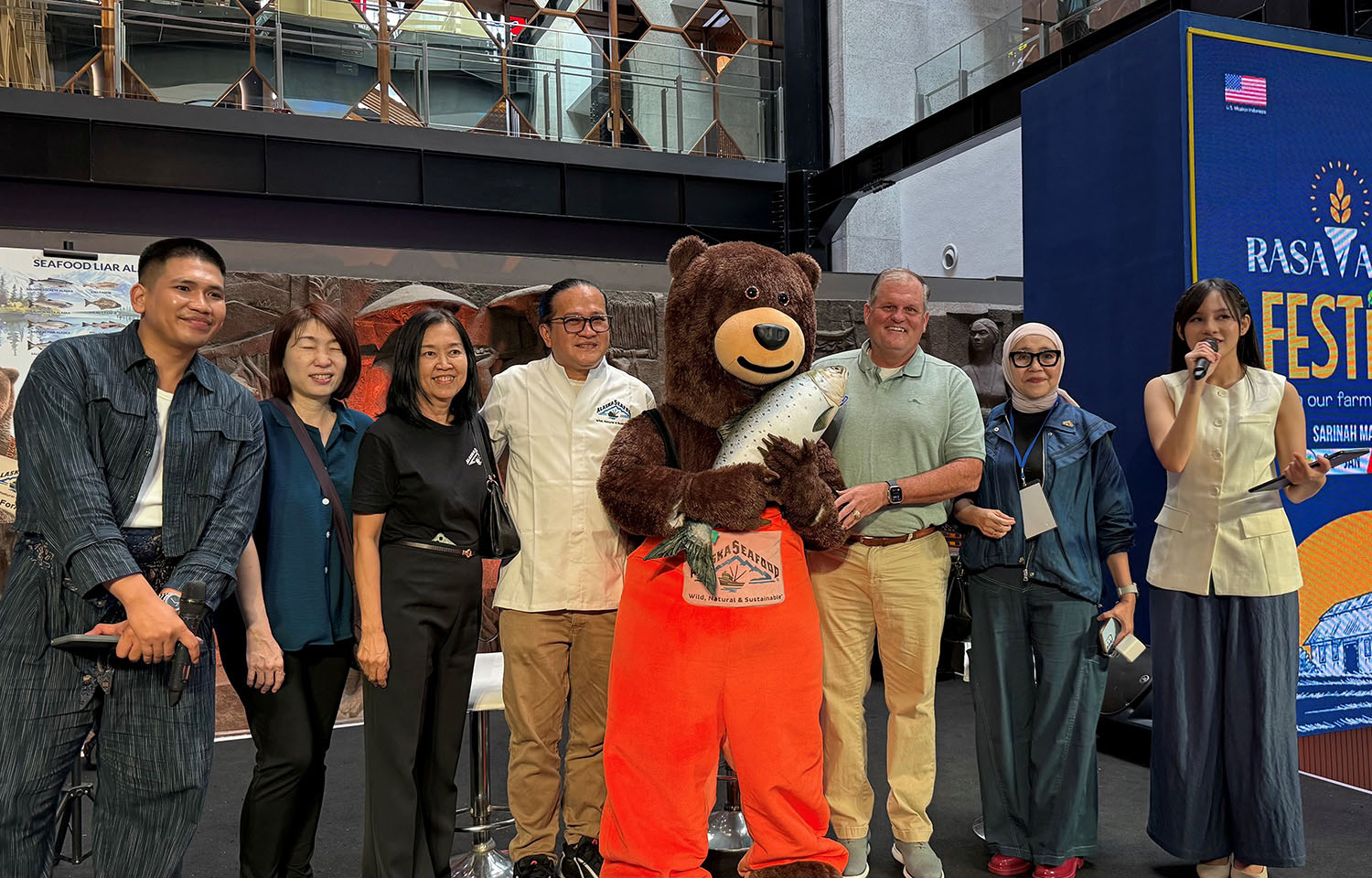
Seattle, Washington, U.S.A.-based seafood industry group Association of Genuine Alaska Pollock Producers’ (GAPP) is working to expand markets for its products, and recently traveled to Jakarta, Indonesia for a trade mission.
The trade mission, which took place from 2-5 February, is the first of many strategic international engagements for GAPP, to explore strategic opportunities for the expansion of U.S. wild-caught Alaska Pollock products, the organization said in a release. GAPP’s leadership team, along with officials from the USDA Foreign Agricultural Service, state departments of agriculture, agribusiness executives, and representatives from other U.S. commodities, traveled to Jakarta to meet with market experts, Indonesian importers, and government officials to gain a greater understanding of the market.
“International market expansion is key to our industry’s long-term success, which is why it’s always been such a key component of GAPP’s strategy,” GAPP CEO Craig Morris said. “We are excited to continue to partner with the USDA as it embarks on an ambitious schedule of trade missions this year to showcase Alaska Pollock and explore vital new foreign market opportunities for Alaska pollock fillet, surimi, and roe products abroad.”
Indonesia has the fourth highest population in the world, which makes it ripe for U.S. seafood market expansion possibilities, GAPP said. The U.S. is also the fourth-largest supplier of agricultural products to Indonesia, and Indonesian citizens have one of the highest per capita Alaskan pollock consumption rates, the nonprofit added.
“Indonesia is referred to as the ‘kitchen’ of Southeast Asia and many U.S. commodity products are sold into this important market to be turned into further-processed foods that are then exported throughout the region and around the world,” Morris said. “For Alaska pollock, this market not only represents an opportunity for finished Alaska pollock products, but also for Alaska Pollock fillet and surimi block as ingredients in other products manufactured here.”
At the event, Morris and local celebrity chef Chandra Yudasswara joined together on stage as a part of the Alaska Seafood Marketing Institute’s (ASMI) promotion in Indonesia. The duo spoke to food influencers, took questions from the crowd, and informed guests about the sustainability, quality, traceability, and flavor of Alaskan seafood, GAPP said in a release.
GAPP added that partnering for trade with Indonesia already began with a U.S.-Indonesia framework started by U.S. President Donald Trump’s administration last year. Now active, the trade agreement “offers further incentive by removing tariffs on more than 99 percent of U.S. food and agricultural products, exempting them from licensing requirements.”
“This trade deal creates an unprecedented opportunity for American farmers, ranchers and agribusinesses to gain more access to Southeast Asia’s largest market,” Under Secretary for Trade and Foreign Agricultural Affairs Luke J. Lindberg said in a USDA release. “This mission is well-timed to connect U.S. exporters with key buyers and meet Indonesia’s growing demand for high–quality American agricultural goods – boosting rural economies and keeping U.S. products globally competitive.”
The USDA and GAPP already planned additional international events in the Philippines, Thailand, Vietnam, and South Korea. Future trade missions for 2026 will be in Colombia, Brazil, and India.
