




U.S. President Donald Trump announced the country reached a trade deal with Japan on 22 July, granting the country a reprieve from the potential 25 percent tariffs he was threatening just weeks earlier.
Trump posted on his social media site Truth Social that Japan will now face a 15 percent “reciprocal” tariff in the U.S. and claimed Japan will invest USD 550 billion (EUR 469 billion) in the U.S., “which will receive 90 percent of the profits.” Trump later said that the country agreed to buy billions in military and other equipment.
“I just signed the largest TRADE DEAL in history with Japan,” Trump wrote on Truth Social. “We worked on it long and hard – It’s a great deal for everybody.”
According to Trump, that deal will see Japan open its market to the U.S.
The U.S. seafood industry could benefit from open market access in Japan. According to NOAA Fisheries data, in 2024, the U.S. exported over USD 574 million (EUR 489 million) worth of seafood products to the country, making it the third-highest destination for U.S. seafood by value.
While it’s the third-highest destination for U.S. seafood, it’s the 11th-highest source of seafood by value coming into the U.S. In 2024, the U.S. imported USD 491 million (EUR 417 million) from the Asian nation. That means Japan is one of the few countries the U.S. seafood industry had a trade surplus with in 2024, with a surplus total of USD 83 million (EUR 70 million).
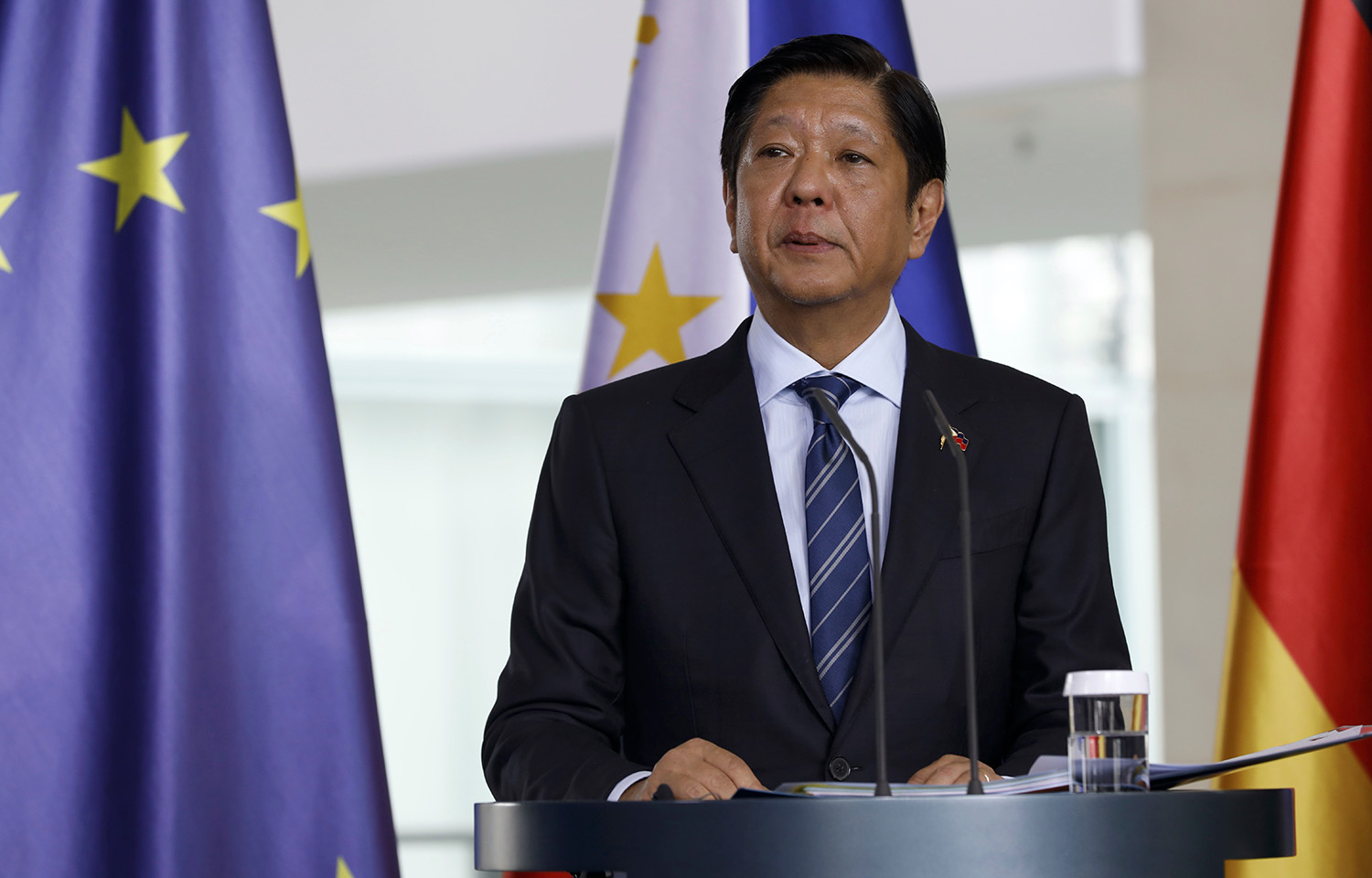
At roughly the same time as the deal with Japan, Trump announced on Truth Social the country had also reached a deal with the Philippines after meeting with Philippine President Ferdinand Marcos Jr.
According to his comments, the U.S. would slightly drop its tariff rate for the Philippines to 19 percent, down from the 20 percent it was slated to be hit with on 1 August. In return, the Philippines would open its market to the U.S. Neither country has released further information on the deal.
The U.S. also released more information about the country’s recent trade deal with Indonesia. Trump announced the U.S. would impose a 19 percent tariff on Indonesian goods as of 1 August, down from the 32 percent initially announced in April 2025.
The White House issued a joint statement on behalf of the U.S. and the Republic of Indonesia outlining the deal, which would see Indonesia remove "approximately 99 percent" of tariff barriers for a range of U.S. industrial and food products.
The U.S., in turn, will place a 19 percent tariff on Indonesia and added that it “may also identify certain commodities that are not naturally available or domestically produced in the United States for a further reduction in the reciprocal tariff rate.”
The two countries will also negotiate rules of origin that ensure the trade deal is primarily benefiting goods in the U.S. and Indonesia.
Indonesia will also work to address any potential barrier to U.S. goods in the Indonesian market, which could include exempting U.S. food products from import licensing regimes and recognizing U.S. regulatory oversight on U.S. food products.
After the two deals were announced, Trump posted the U.S. will reduce tariffs to any country that opens its markets.
“I WILL ONLY LOWER TARIFFS IF A COUNTRY AGREES TO OPEN ITS MARKET,” Trump wrote. “IF NOT, MUCH HIGHER TARIFFS!”
After Trump announced the deal with Indonesia, Siam Canadian Indonesia General Manager Cicilia Darmali told SeafoodSource that the 19 percent tariff was more manageable than the previously threatened 32 percent rate. While the news was positive, she also said companies were being cautious of making any big investments until the U.S. announced tariff rates on India and Ecuador – two of the Indonesian seafood industry’s main competitors in the U.S. market.
“Currently, our packers are still not aggressive in buying raw material. They are still in wait-and-see mode. We all are waiting for the final tariff for Ecuador and India especially,” she said.
As of 23 July, Trump had not made any announcements on a trade deal with Ecuador. The country is currently being hit with the minimum 10 percent tariff rate, but other trade action like antidumping duties on shrimp could have further effects on trade. The U.S. Department of Commerce was initially planning to hit the country with a 10.18 percent duty but has since eliminated that duty following further investigation.
However, the country was hit by countervailing duties for shrimp to the tune of 3.78 percent for all companies.
