






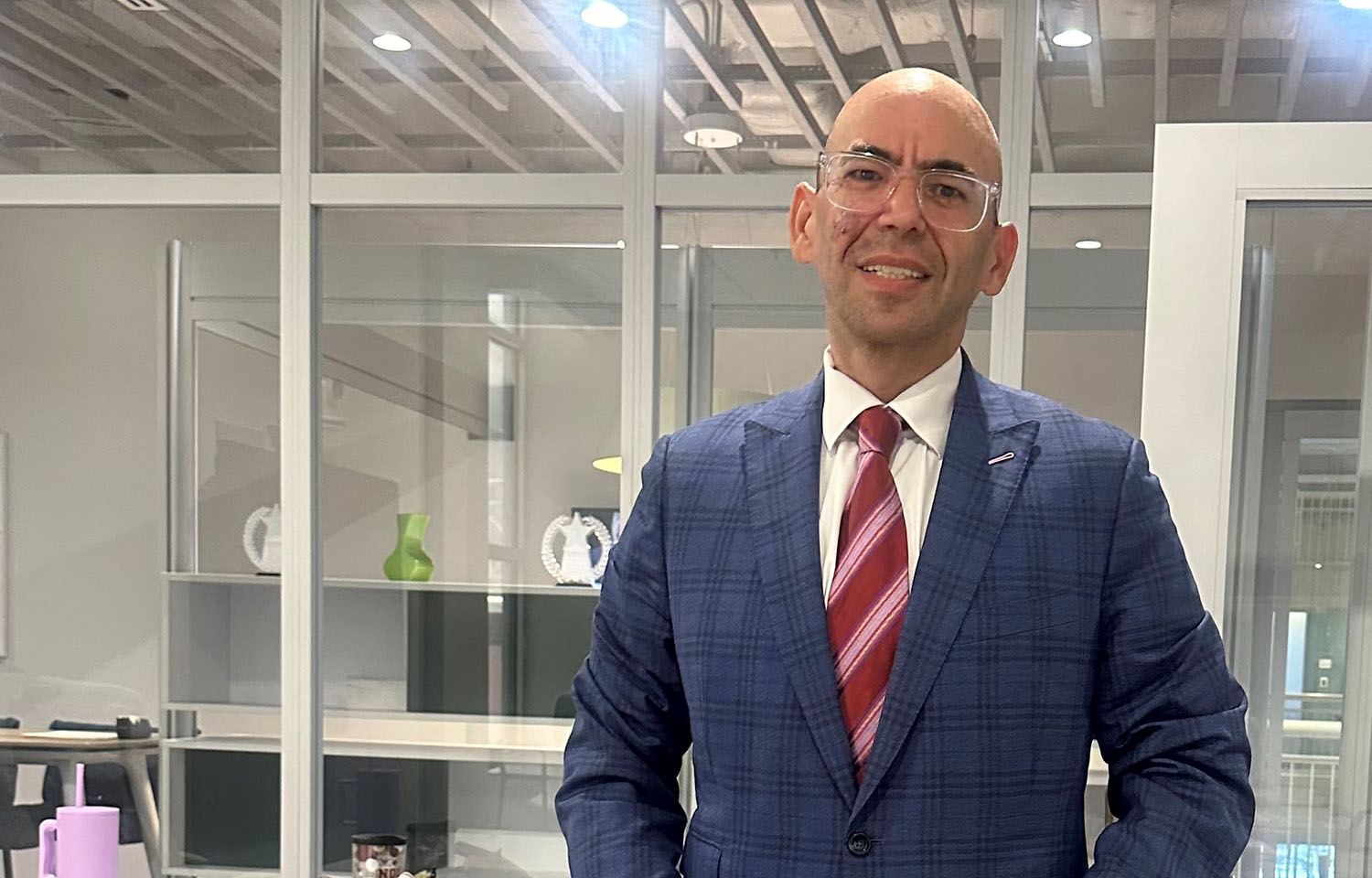
Miami, Florida, U.S.A.-based government relations, digital solutions, and communications firm Converge Public Strategies is expanding its focus on seafood and leading a new lobbying effort as the industry deals with potential tariffs on imports.
Converge Public Strategies was formed six years ago and, before entering the seafood industry, provided an array of services in the transport, climate, and sports sectors – offering government relations and regulatory consulting. Converge Public Strategies Partner Elnatan Rudolph told SeafoodSource it began its push to expand into the seafood industry after recognizing how it could assist companies with tasks like selling goods to the United States Department of Agriculture (USDA).
“We saw it as someplace where people were afraid to do business with government, and over the past two years, we’ve worked heavily on procurement with the USDA – helping American fish companies sell to the government,” Rudolph said.
Rudolph said the company has already helped some seafood producers gain contracts with the USDA. Lately, the firm has also been working to advocate for seafood companies regarding tariff decisions, as well as lobbying U.S. Secretary of Health and Human Services Robert F. Kennedy to highlight the health benefits of seafood.
“We’ve taken a more active approach to educating companies and saying, ‘Look, we’re here to work with you and to help you navigate,’” Rudolph said. “As an industry, there is power in numbers.”
Rudolph said his life has revolved around politics and advocacy from a young age; he had his first lobbying client at just 15 years old, and he became a city councilor in New Jersey at 23.
Since those early days, he’s worked on over 2,000 political campaigns in 39 states and eight foreign countries and worked on political campaigns with current Secretary of State Marco Rubio when he was first campaigning for state government in Florida. Converge also has team members who worked with Robert F. Kennedy Jr. during his recent presidential run.
Rudolph said since getting started in seafood, Converge has taken an active approach with companies to help it navigate regulations and working with the government to their advantage.
“When [companies] see USDA, they’re like, ‘You’re just regulating us; you just want to give us a fine or tell us you’re not doing something right.’ In reality, the federal government is one of the largest purchasers in the country,” Rudolph said. “It’s educating them that government is not a bad thing; you just have to talk a little differently to them.”
Advocating for more federal purchasing is one thing, but Rudolph said the most pressing issue on most companies’ minds is the threat of tariffs. The administration of U.S. President Donald Trump has had on-and-off tariffs since the start of his second term in office, and Rudolph said the fear of the unknown has been difficult for companies to deal with.
“I think the most important thing for any industry that’s facing an unknown is to be part of the conversation and to educate legislators and the administration that it’s not just about their bottom line,” Rudolph said. “Because very often, what government will say is, ‘I’m not going to legislate because you can make more money.’”
Making clear the tight margins the seafood industry faces and its importance to food security are key, Rudolph said. He added Converge and other lobbying efforts are important, as often companies are great at running a business but aren’t as adept at navigating the nuances of government relations.
These days, having a voice of some kind at a federal level is especially key, which is why Converge Public Strategies is pushing to work in seafood, Rudolph said.
“If you’re not there, if you’re not on the ground, if you don’t have people talking to the administration on a regular basis, you’re going to read it on X and only have to react after that,” Rudolph said. “At this point, this administration, more so than any other administration, moves at the speed of lightning.”
Rudolph added that regardless of how much the seafood industry involves itself with government, the government is still going to make decisions that directly impact it.
“They’re going to make decisions, and unless you’re in the conversation, they’re going to make decisions that are going to affect you without having the whole picture,” he said. “You don’t want to wake up and see it in the paper, or more accurately with this administration, you don’t want to wake up and see it on X or on Facebook. If you’re not in the conversation early, you’re just going to be reacting to it.”
