



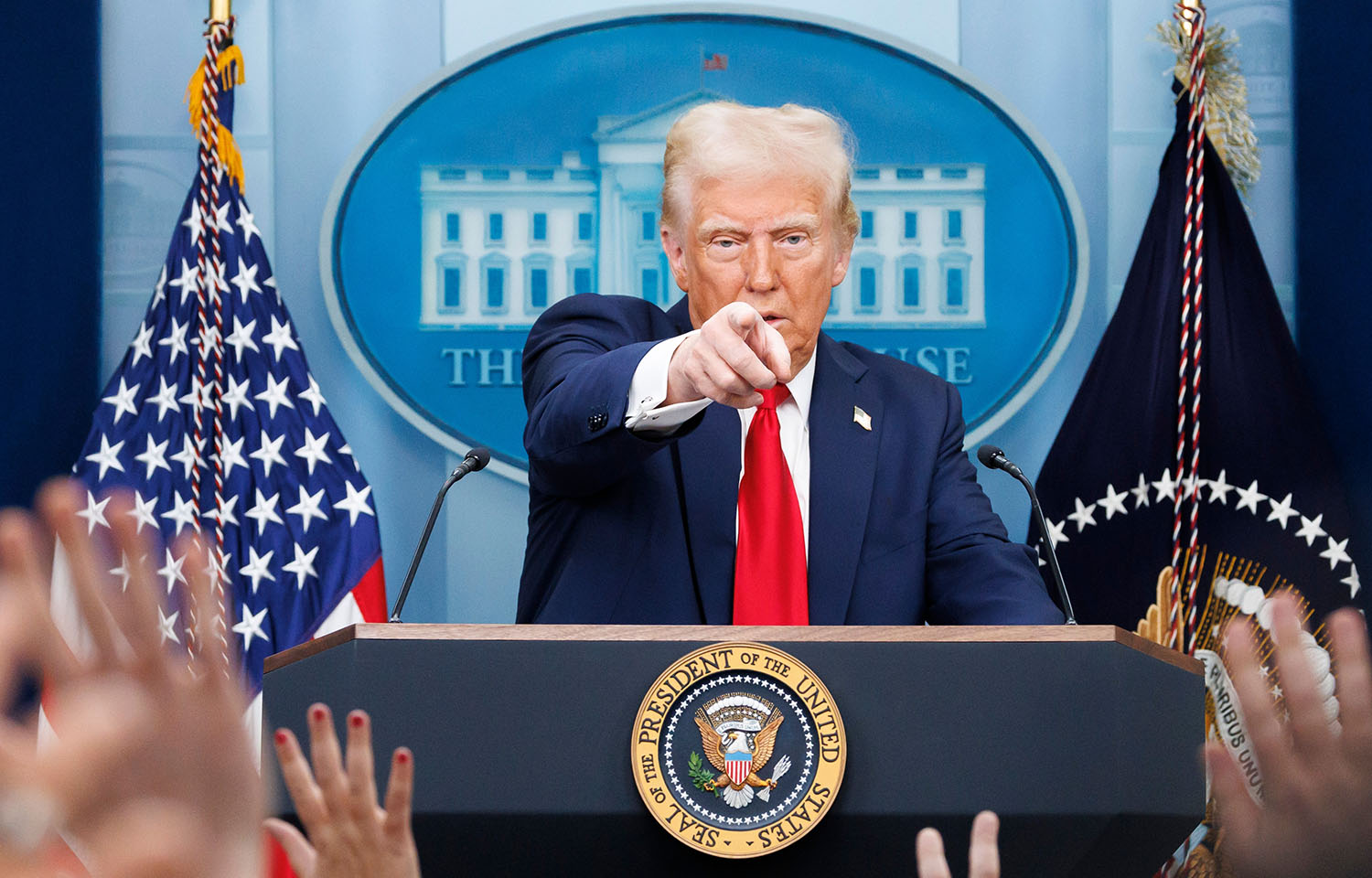
U.S. President Donald Trump suspended planned 25 percent tariffs on Canada on 6 March, building on an earlier-announced suspension of tariffs on Mexico.
Trump first announced plans to implement tariffs on Mexican and Canadian goods in November 2024, and followed through on the promise in February 2025. Since that initial order, Trump delayed tariffs by one month, before letting them take effect for just two days before the newest delay.
The latest order walks back the tariffs again on a wide array of goods covered under the United States-Mexico-Canada Agreement (USMCA), which covers about half of the goods from Mexico and 38 percent of the goods coming from Canada, a senior official with the Trump administration told NBC news.
The exemptions will last until 2 April – the date that Trump promised will signal the start of “reciprocal” tariffs on goods from an array of countries.
The USMCA covers a range of goods and allows them to move between the three countries without tariffs so long as they abide by the rules of the agreement. The USMCA, negotiated by the Trump Administration, was established in 2018 as a replacement of the North American Free Trade Agreement.
Under the agreement, a product can be tariff free if it is made entirely within North America or if it is substantially transformed in North America. The agreement contains some provisions allowing organizations to push for enforcement of equivalent production laws via a Submission on Enforcement Matters – a tool that has been used by NGOs to pressure governments into sufficiently enforcing environmental laws.
The agreement also touted prohibitions on harmful fisheries subsidies, protections for marine species, and obligations to enhance inspections of shipments containing flora and fauna.
As seafood is covered under the USMCA, Trump’s latest decision should leave it tariff free for the time being.
However, Prime Minister Justin Trudeau said Canada is committed to responding to Trump’s tariffs until they are dropped entirely. Trudeau said the government is focused on minimizing the impacts of the tariffs on Canada, but that the U.S. and Canada will remain in a trade war for the “foreseeable future” until the U.S. fully removes the tariffs instead of suspending them.
Canada’s initial retaliation against the U.S. tariffs included just two items related to seafood: fats and oils and their fractions of fish or other marine mammals (HTS 1504.20.00); crustaceans, molluscs, and other aquatic invertebrates (HTS 1605.21.00); and shrimp and prawns, not in an airtight container.
However, the country said it plans to impose further tariffs later in March, and that list includes a wide swath of seafood items including lobster, crab, flat fish, salmon, tuna, and more.
