


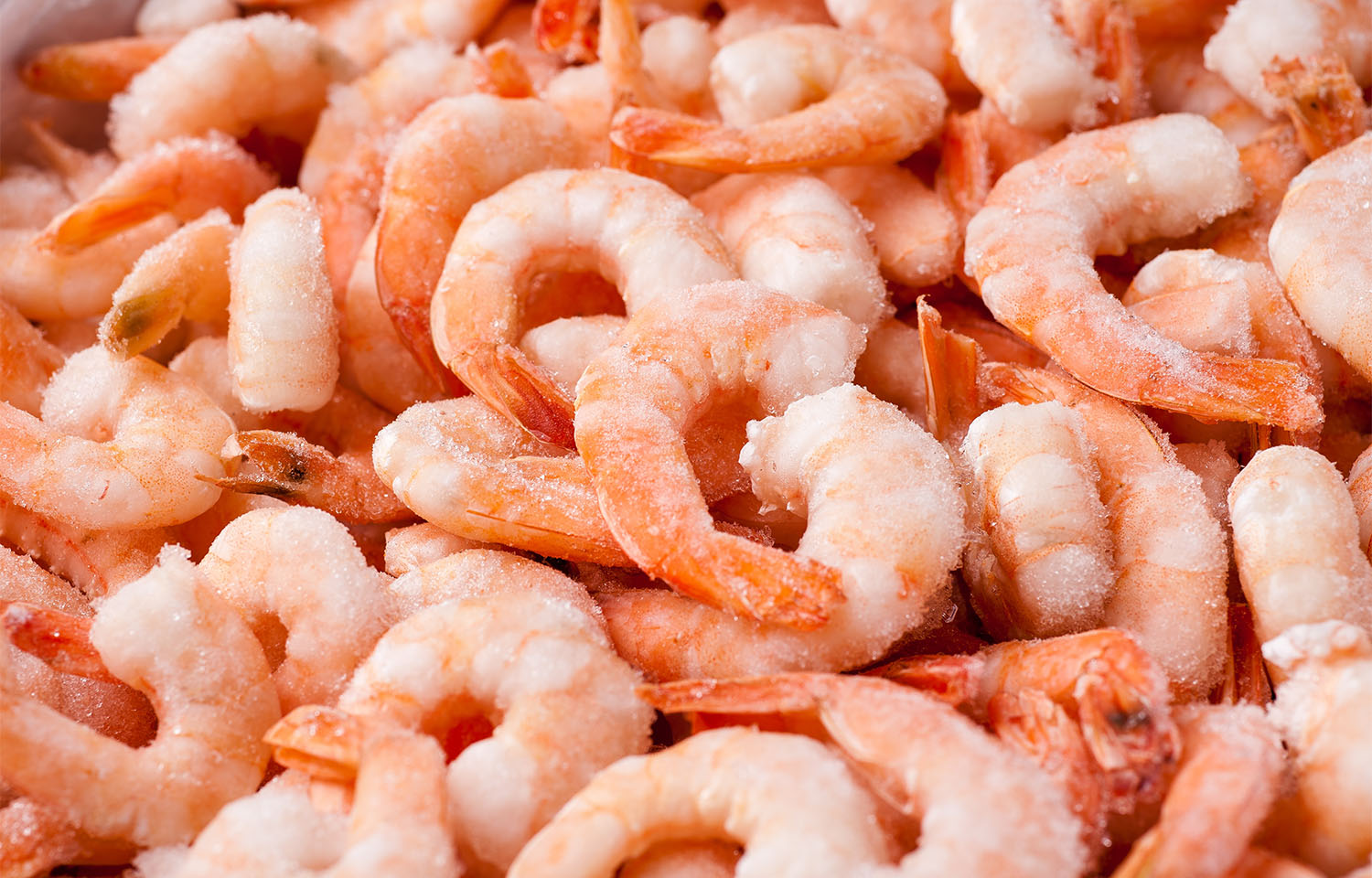
A human trafficking lawsuit originally brought against California-based Rubicon Resources in 2016 and dismissed in 2018 has resurfaced after an appeals court remanded it for another look.
The lawsuit alleged Rubicon Resources – which is now owned by High Liner Foods – as well as affiliates Wales & Co. Universe and Thai companies Phatthana Seafood and S.S. Frozen Food, took part in a joint venture that profited off trafficked labor in violation of U.S. and international law. Seven Cambodian workers – Keo Ratha, Sem Kosal, Sophea Bun, Yem Ban, Nol Nakry, Phan Sophea, and Sok Sang – filed the complaint in U.S. federal court in 2016 but were ultimately denied when U.S. District Judge John F. Walter dismissed the case in 2018.
The plaintiffs were rural villagers from Cambodia, who alleged they were forced to work at seafood factories in Thailand. They claimed Rubicon marketed seafood products from those factories in the U.S. – meaning the company benefited from human trafficking and were civilly liable for damages.
At the time, lawyers for the defendant companies argued since the incidents took place outside the U.S., the case shouldn’t be heard in U.S. court. Attorney Bryan D. Daly argued if the case was found in the plaintiff’s favor, “the litigation floodgates would open since virtually every U.S. company benefits, to some degree, from commerce with companies in developing countries.”
The latest appellate court ruling cites a recent bill, the Abolish Trafficking Reauthorization Act (ATRA) of 2022, which amended the U.S. Trafficking Victims Protection Act. According to the court, the new bill clarifies that defendants are civilly liable if a company attempts to benefit, but does not succeed in benefiting, from human trafficking.
According to the court filing, in October 2011, Rubicon attempted to sell 14 containers of shrimp to retailer Walmart, which rejected the shipment “because it had concerns about the factory’s working conditions.” Rubicon stopped selling shrimp to Walmart but resumed those efforts in July 2012 and, according to the court documents, failed to sell those original shipments of shrimp.
The majority opinion of the appellate court determined that Congress, when it passed the ATRA, “clearly meant for the ATRA to apply retroactively,” meaning Rubicon’s efforts in 2011 and 2012 would still fall under jurisdiction – thus reopening the original suit.
Human trafficking was a major issue for the Thai shrimp industry, and the country was downgraded to a Tier 3 trafficking nation designation by the U.S. State Department in response. Revelations made by news organizations like the Associated Press in 2015 drew worldwide attention and continued putting pressure on Thailand’s government.
Thailand’s government committed in 2022 to granting migrant workers legal rights to establish labor unions and adopted anti-trafficking measures.
However, Thailand’s Parliament recently approved sweeping changes to its Fisheries Law, which the country enacted in 2015 in response to the global criticism. Small-scale fishers and environmental groups have warned the changes could undermine international commitments to sustainability.
