



Shawn Taylor likens the current state of Jamaican fishermen to a weary boxer.
Hurricane Beryl, a Category 4 hurricane with sustained winds of 140 miles per hour that struck Jamaica in July 2024, knocked the island’s fishermen to the mat, according to Taylor, who is the chairman of the Jamaican Fishermen Cooperative Union (JFCU).
Over a year later, as fishermen were beginning to show some signs of recovery, news began to reach Jamaica that an even stronger storm was bearing down on the island.
“Every time the count reaches eight, we get back on our feet, just to be thrown again on our backs,” he said.
Hurricane Melissa hit the Jamaican coastline on 28 October. With winds topping out over 185 miles per hour, it became the first Category 5 storm ever recorded to have hit the Caribbean nation of just under 3 million people.
The death toll on the island has risen to at least 45, and World Bank preliminary estimates put the total cost of the hurricane’s damage at around USD 8.8 billion (EUR 7.6 billion), which is equivalent to over 40 percent of Jamaica’s 2024 GDP.
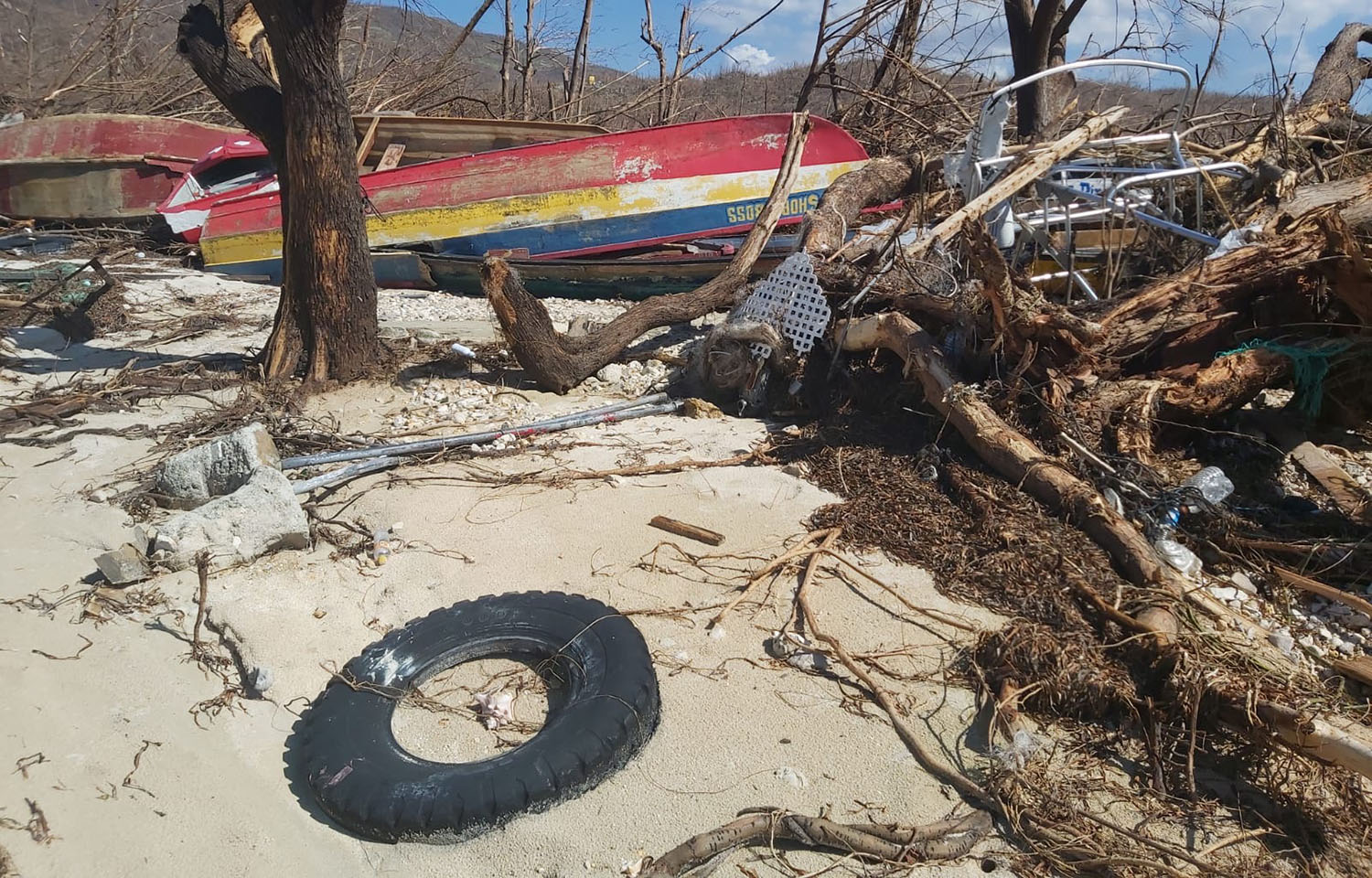
The National Fisheries Authority (NFA) of Jamaica confirmed extensive damage across the island’s 14 parishes, with the “most severe devastation span[ning] from Manchester westward to St. Ann in the north and significant damage also inflicted upon the parishes of St. Thomas, Portland, and St. Mary.”
“Reports indicate that many fishing beaches, particularly in the southwestern region, are facing a complete operational collapse. Several communities have reported a 100 percent loss of fishing vessels and damages to engines, gear, and critical infrastructure such as gear sheds and processing facilities,” the NFA said in a release shortly after the storm subsided. “In the aquaculture subsector, some fish farmers have suffered massive losses of stock (fry and mature fish) and catastrophic damage to essential infrastructure, including breached dykes and flooded ponds.”
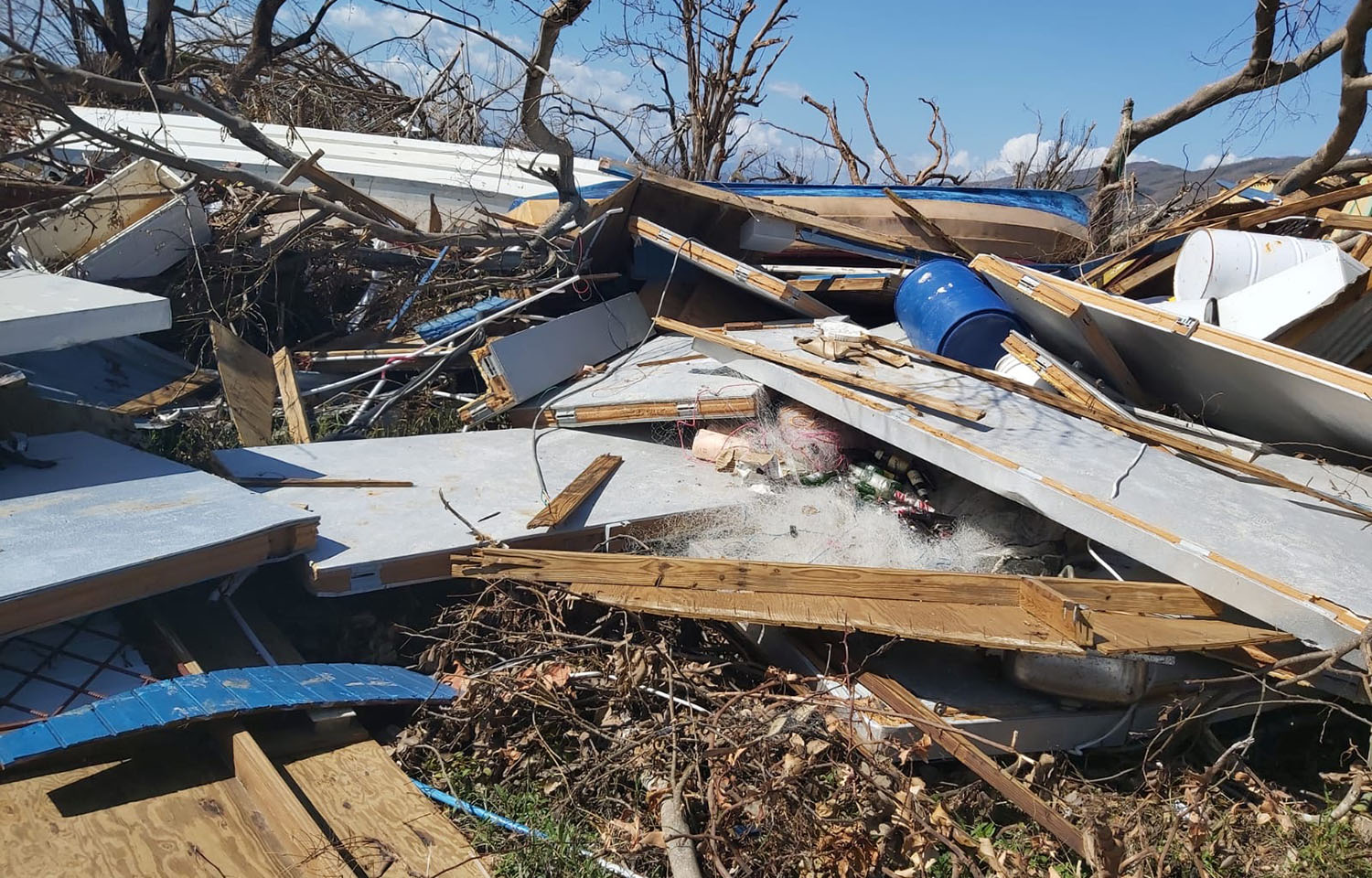
Taylor emphasized to SeafoodSource that the extensive damage to Jamaican fishery operations was not due to a lack of preparation; rather, the severity of the storm made it impossible for many fishermen to protect their gear, he said.
“One of my friends brought their traps back to the shore and up to his friend’s house, where he tied them up on a hill away from the ocean. Melissa still came up and took them away,” Taylor said. “The sea was running the land. When you thought you were safe, you were still in harm’s way.”
In an attempt to kickstart recovery efforts, Jamaica’s Ministry of Agriculture, Fisheries, and Mining has rolled out a “Back To Sea, Safely” action plan.
The first steps of the plan include clearing debris across the island, repairing critical infrastructure, and helping fishers replace lost gear. It also includes the deployment of mobile marine fuel stations at key fishing locations, a six-month moratorium on all licensing and ID fees, and rapid distribution of wires, nets, and ropes, as well as grants for boat and engine replacement.
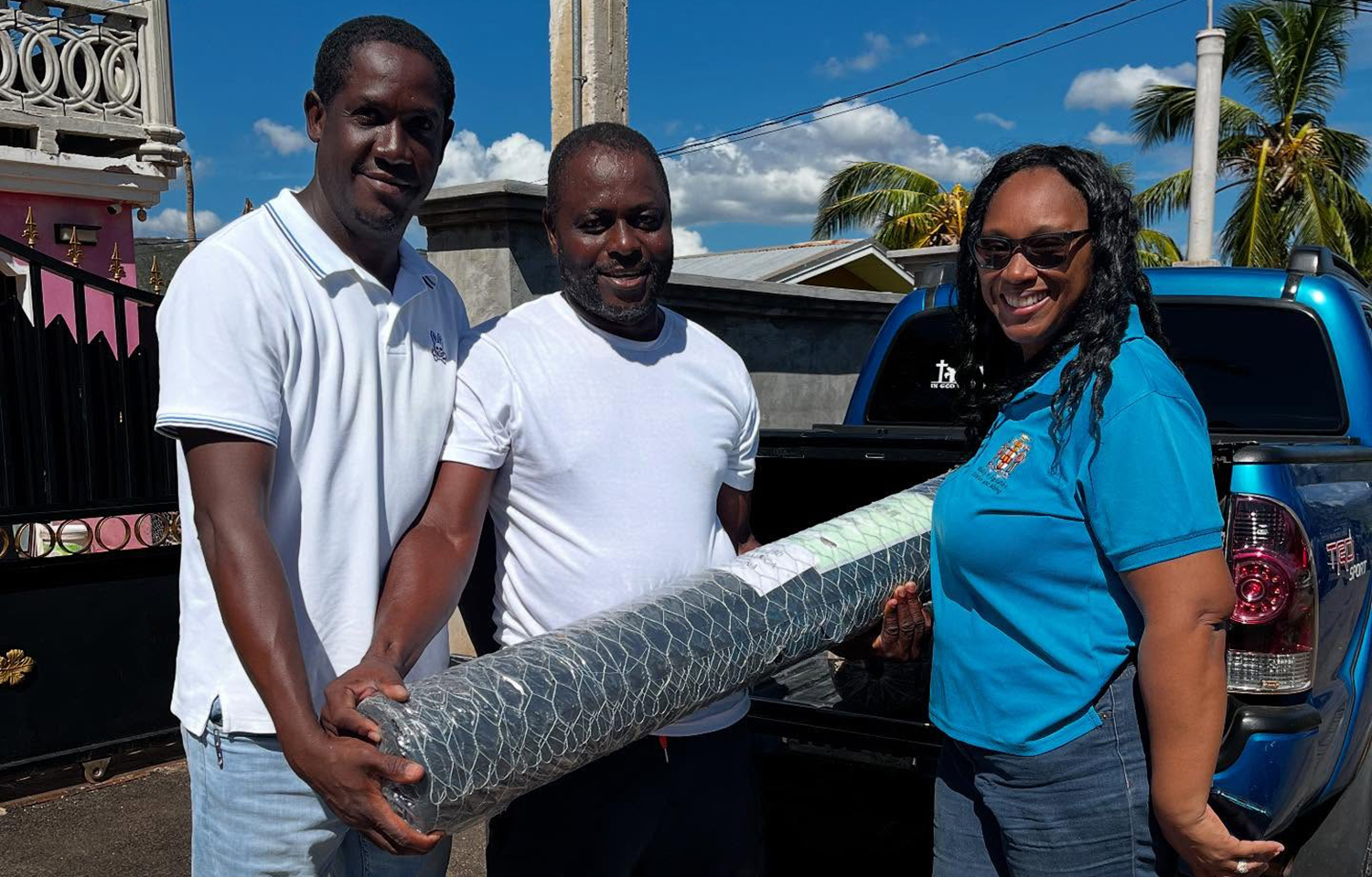
Taylor said that through his work at the JFCU, which represents more than 4,000 fishermen across Jamaica, he is pushing for grants more so than the distribution of wire and other tools in a bid for long-term recovery.
“We have to get loans so that people can repair their boats and engines. Assistance just in the form of fishing wire only helps with one part of the fishing process,” he said.
Until those loans materialize, however, Jamaica’s fishers are in dire straits.
The vast majority of the island’s fishermen are artisanal and don’t have the capital of commercial operations to sustain losses; therefore, a destroyed boat is a destroyed livelihood until a fisherman can find a replacement, Taylor said.
Additionally, almost all of the fish that Jamaican fishermen catch, typically comprising small pelagics such as sardines and herring, reef species, lobster, and conch, is sold domestically. With the economic devastation from Hurricane Melissa being so widespread across the island, the market for fishermen has largely been wiped out for the time being, Taylor said.
“When they try to sell, everyone says, ‘We don’t have the money,’ and they’re using what they have on essentials like gas. Or, they don’t have electricity to store the fish in their refrigerator,” he said.
Nevertheless, as with other times Jamaica’s fishermen have been knocked to the mat, Taylor said they are slowly getting back to their feet, ready to fight their way back to the water.
“When you calculate all of the losses, it’s mountainous, but everybody is just trying to pick up the pieces and move on slowly. We need people to rally around so fishers can get back fishing,” Taylor said. “I always believe it’s easier to teach a man to fish and catch his own rather than to give him a fish every day.”
