






The head of NOAA Fisheries said the U.S. needs better commercial fishery representatives on regional fishery management councils, but he acknowledged nominations are a political process that limits his control of who takes those seats.
“We need to have better council members and better managers,” NOAA Fisheries Assistant Administrator Eugenio Piñeiro Soler said. “You need council members who are more involved and knowledgeable of science and economics, the damage that they can do, international issues."
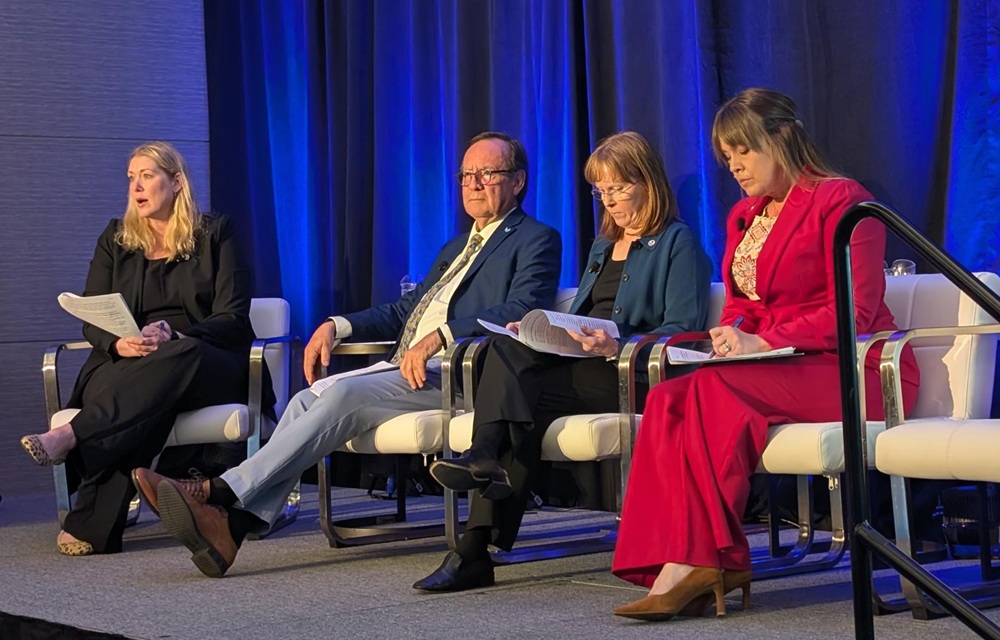
Piñeiro Soler's comments came during a listening session hosted by the Southeastern Fisheries Association at the 2026 Seafood Expo North America, which took place 15 to 17 March in Boston, Massachusetts, U.S.A.
The head of NOAA Fisheries listened to several concerns raised by commercial fishers in the room, including those raised by Steven Rash of Apalachicola, Florida, U.S.A.-based Water Street Seafoods about the lack of commercial fisheries representation at the eight regional fishery management councils. Piñeiro Soler was quick to agree that there needed to be better representation on those councils.
“The question I have, is how come that in the Gulf Council […] you don’t have a shrimper on the council? That’s unacceptable,” Piñeiro Soler said. “You have 17 members and don’t have one shrimper? That cannot be. That is a travesty. But, it’s up to you to give me good candidates.”
While the conversation largely focused on the Gulf Council, the assistant administrator said commercial representatives are needed on other councils, too. The New England Fishery Management Council, for example, should have representatives from the lobster and groundfish sectors, he added.
Piñeiro Soler went on to tell the crowd that council nominations are “a political process,” which gives him limited control over who sits on the council. He explained that the governors nominate candidates for the councils, and the federal government can only pick members from the names they are given. In order to get better representation for commercial fishers on the councils, Piñeiro Soler said, the industry needs to pressure governors and work with them to nominate people from the commercial sector.
“You have to give the governor the people from your sector, people from your industry. You have to tell them this is a commercial seat,” Piñeiro Soler said. “But, that’s for you to face. If you give me the right person, I’m going to approve them. You see, that’s how it works. The stakeholders, the fishermen, they have to come up with the right person. My intention is to balance this whole thing.”
“Unfortunately, it doesn’t work that way,” Rash responded, accusing Florida Governor Ron DeSantis of making nominations as political favors.
“I’ve seen people on the council who were furniture dealers,” he added.
The assistant administrator noted that he does have some power to influence the makeup of the fishery management councils. When governors submit their list of recommendations, he vets the options and picks who he believes is most qualified – if any.
“If I don’t like it, I won’t approve any,” Piñeiro Soler said. “If it’s a commercial seat, it has to be a commercial person.”
“There’s a delegation of power,” Piñeiro Soler said. “I vet them first and then the secretary (of commerce) will make the final decision.”
The assistant administrator added that the councils are critical for conveying the needs of commercial fishers to federal regulators and he was working to ensure commercial interests are represented in the makeup of those councils.
“We’re taking a very serious look at those appointments,” Piñeiro Soler said, adding that his team reads every letter written in support of a nomination in considering them.
“This is a different administration. We are here to be with you [and] do what no one else has done for you,” Piñeiro Soler said.
