

Stakeholders in the Northern cod fishery improvement project (FIP) recently had its first meeting since the long-closed fishery reopened in June 2024 amid signs the fishery has strongly recovered.
Canada’s Northern cod fishery was once among the largest in the world, but a collapse of the cod population in the Northern Atlantic caused it to be closed in 1992. After multiple decades an industry-led FIP was formed in 2015 to help restore the stock, which ultimately succeeded in getting the Northern cod fishery reopened in 2024.
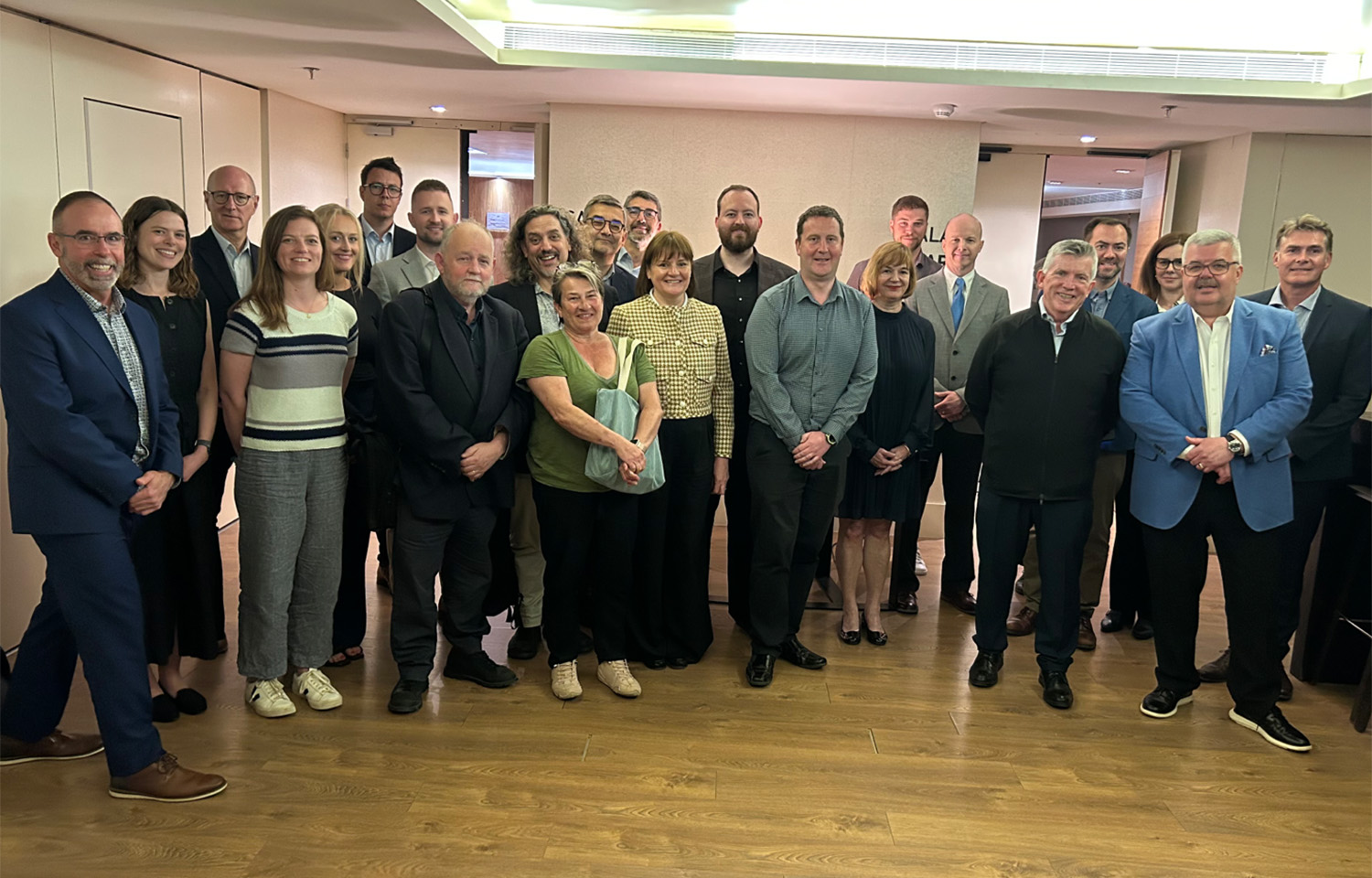
In 2024, Canada’s Department of Fisheries and Oceans (DFO) determined the stock had recovered enough to support an 18,000 metric ton (MT) quota for the year, and in May stakeholders of the FIP met adjacent to Seafood Expo Global – which ran from 6 to 8 May in Barcelona, Spain – to review progress and continue planning for the future.
An array of stakeholders involving the fishery, including Sustainable Fisheries Partnership (SFP); Marks & Spencer; Youngs Seafoods; Thistle Seafoods; New England Seafood and WWF from the United Kingdom; Sysco France; Cornic-Novamer; Cite Marine and Picard from France; High Liner Foods from Canada/United States; and producer organizations in Canada – including Ocean Choice International, Icewater Seafoods, and the Atlantic Groundfish Council – representatives from Fisheries and Oceans Canada, and the Marine Stewardship Council all participated in the latest meeting.
According to a release from the FIP, the spawning stock biomass of Northern cod has increased dramatically from last year – a positive sign that reopening the fishery was the right thing to do. The DFO’s 2025 assessment estimated the biomass is currently at 524,000 MT, up 60 percent over the number it reached in 2024.
“We now know the Northern cod has the second largest spawning stock biomass of any cod stock in the world, and we have scientific confirmation the Government of Canada made the right decision when they ended the moratorium and reopened the commercial fishery last year,” Sustainable Fisheries Partnership CEO and Founder Jim Cannon said.
FIP stakeholders also said the commercial catches of Northern cod is showing the stock is healthy, with reports of high-quality cod being landed throughout the recently-opened fishery.
“This is echoed by harvesters on the water and cod experts at Icewater Seafoods' 7,000 meters-squared cod plant, many of whom have proudly noted the remarkable quality of the cod processed at the facility over the past few months,” the stakeholders said.
Ocean Choice International Vice President of Sustainability and Engagement Carey Bonnell said the company’s offshore vessels had successfully harvested Northern cod, and that the results have been promising.
“The catch rates were strong, the fish were of high quality and very healthy, and bycatch was minimal,” Bonnell said. “The stock appears to be robust, and if we continue to fish it responsibly, as we are now, there’s real potential for long-term, sustainable benefits for everyone. These are encouraging signs for the future of this iconic species in Newfoundland and Labrador, and I’m optimistic about what lies ahead for the fishery.”
