






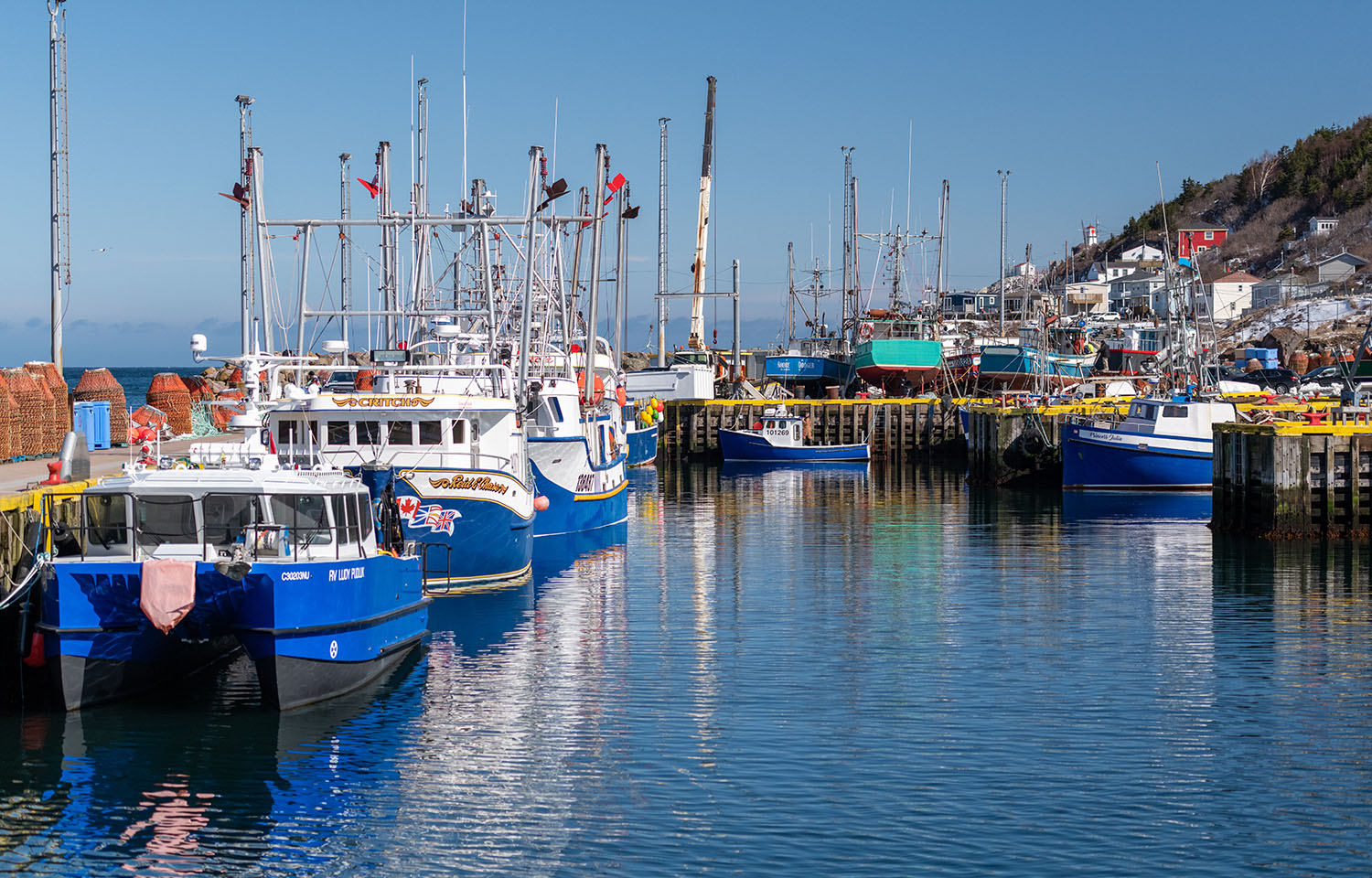
Canadian regulators have decided to double the total allowable catch (TAC) in the recently reopened Northern cod fishery, claiming that the stock is more abundant than previously believed.
Following years of overfishing, Northern cod stock plummeted in the 1990s, leading to a 32-year moratorium on fishing the species. To help the fish recover, the fishing industry launched the Northern cod fishery improvement project (FIP) in 2015 and, in 2019, began a tag-and-tracking program to gather more data on the stock.
Deeming the population sufficiently recovered to support commercial fishing, the Canadian government reopened the fishery in 2024, setting a TAC of 18,000 metric tons (MT). That first season resulted in a total landed value of CAD 37.5 million (USD 27.4 million, EUR 23.9 million).
Now, the Canadian Department of Fisheries and Oceans (DFO) claims that recent assessments show the Northern cod population has remained stable since 2017 and was actually more abundant than previously thought. The latest estimate shows a biomass of 524,000 MT, 60 percent higher than prior estimates. In a May 2025 meeting in Barcelona, Spain, Northern cod FIP members welcomed the revised numbers.
“We now know the Northern cod has the second-largest spawning stock biomass of any cod stock in the world, and we have scientific confirmation the Government of Canada made the right decision when they ended the moratorium and reopened the commercial fishery last year,” Sustainable Fisheries Partnership CEO and Founder Jim Cannon said.
In light of that, the government has more than doubled the total allowable catch for 2025 to 38,000 MT.
"Fishing is at the heart of Newfoundland and Labrador, and this is reinforced with every conversation I have with commercial harvesters and crew, plant workers, recreational fishers, and Indigenous groups,” Canada Minister of Fisheries Joanne Thompson said in a statement. “There are opportunities now to responsibly grow the industry and reflect on how we manage the fishery. We often say that the world needs more Canada, but Canada also needs more Newfoundland and Labrador; a stronger cod fishery will help make that happen."
The Canadian government plans to hold public consultations to gather input on the Northern cod fishery.
While Canadian officials have hailed the return of a commercial cod fishery, some conservationists have criticized the move as premature.
“This wasn’t a science-based decision – it was a political choice made under pressure, not precaution. Canada has already paid the price for overfishing this fragile stock, and now DFO is at risk of repeating the mistake: ignoring science, exceeding stakeholder advice, and opening the door to increased fishing while cod remains weak and projected to decline. This was a clear opportunity to rebuild the fishery for the long term. Instead, the government traded it away for short-term gain that benefits only a few — putting ecosystems, livelihoods, and public trust at serious risk,” Oceana Canada fisheries scientist Rebecca Schijns said in a statement
In a recent op-ed for SeafoodSource, Schijns claimed Northern cod recovery “has stalled since 2017."
"DFO projects a 56 percent to 71 percent probability of further decline over the next three years," she said. “Northern cod still has the potential to become a world-class example of recovery, supporting thousands of sustainable jobs and bringing long-term economic benefits to the province of Newfoundland and Labrador. This will only happen if management puts ecological limits and community values ahead of premature industrial expansion.”
DFO also announced a TAC for capelin, an important source of prey for Northern cod, for the 2025 season. Regulators noted that capelin populations are stable, but with stocks expected to return to average levels, the department decided to keep the TAC where it was last season: 14,533 MT.
