





Peru’s first 2025 anchovy-fishing season in its North-Central region is “well on track,” according to IFFO – the Marine Ingredients Organization, which has predicted solid fishmeal and fish oil production for this year as a result.
In April, Peruvian authorities established a total allowable catch (TAC) of 3 million metric tons (MT) for the season, based on technical and biological reports submitted by the Peruvian Sea Institute (Imarpe). This TAC marks the second-highest seasonal quota in the last decade, Peru’s Production Ministry (PRODUCE) announced at the time.
About 70 percent of that TAC has been caught, IFFO said in a recent press release.
The high TAC is largely due to conditions in Peru that are “favorable,” presenters said at IFFO’s 8th China Summit, which took place on 19 to 20 June in Foshan, China. During the event, Didier Saplana, the COO of industrial fishing firm Austral Group, noted that Peru had experienced a strong recovery in 2024, with landings reaching 4.7 million MT and fishmeal production exceeding 1 million MT.
That recovery has turned into momentum in 2025, as the setting of the current 3 million MT TAC referenced Imarpe’s assessment of a total 10.9 million MT of anchovy biomass – up 10 percent from the same time last year, Saplana said. Peru’s industrial fleet had captured half of the TAC for this season within the first month of the North-Central region fishery’s April launch, he noted.
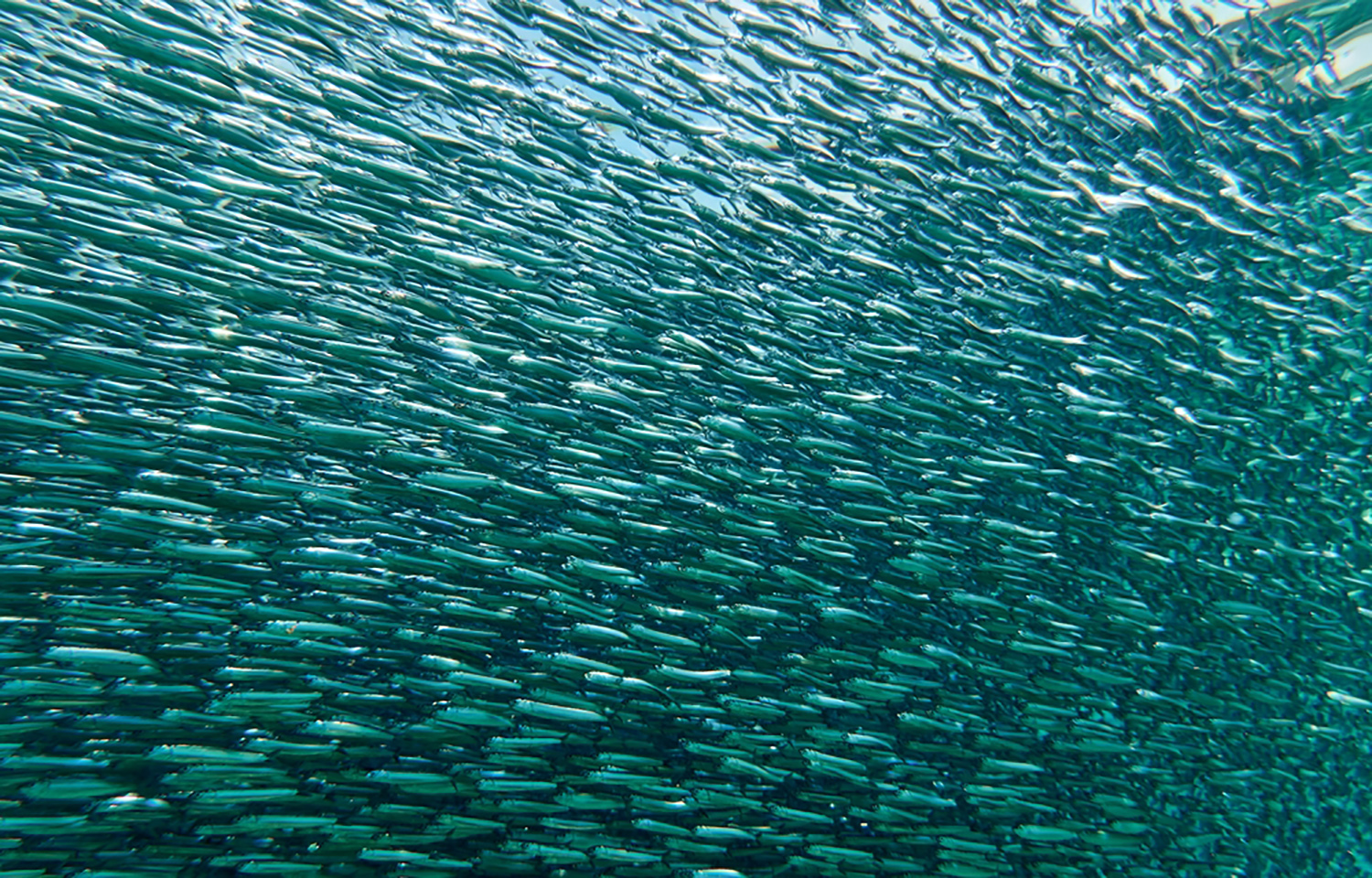
Peru divides its anchovy fishing areas into two regions – South and North-Central – with different capture limits and seasons set for each. The North-Central is Peru’s main fishing region, with capture measuring several times that of the South region. The fishery, which targets both Engraulis ringens and Anchoa nasus anchovies for use in indirect human consumption – primarily fishmeal and fish oil used in aquaculture production – is the largest by volume in the world.
Peru contributes about 20 percent of the raw materials used for the global production of fishmeal and fish oil.
Thanks to the strong start to the North-Central zone’s season, IFFO Market Research Director Enrico Bachis said that IFFO’s estimates for 2025 production of fishmeal and fish oil are at 5.6 million MT and between 1.2 million and 1.3 million MT, respectively. IFFO’s market intelligence accumulates data from organization members in Chile, Denmark, the Faroe Islands, Iceland, the Ivory Coast, Mauritius, Norway, the U.K., the U.S., Peru, South Africa, and Spain.
