





Canada’s Department of Fisheries and Oceans (DFO) reported a North Atlantic right whale in the Gulf of St. Lawrence was observed entangled.
DFO reported on its Facebook page that the whale was spotted by aerial surveillance on 8 June. The department said it is working with its Marine Mammal Response partners to locate the whale, and if it is located again and conditions allow, efforts will be made to remove any gear from the animal.
“Another right whale entangled in fishing gear is incredibly sad and unfortunately not at all surprising,” Center for Biological Diversity Oceans Campaigner Ben Grundy said in a release. “The U.S. and Canadian fisheries are failing to take strong enough actions to curb right whale entanglements, so we have no reason to expect this deadly threat to these animals will magically disappear.”
The whales are some of the most endangered animals on the planet, with last estimates placing the population at 384 individuals left – up slightly from a low of 358 in 2020.
Entanglement remains an issue for right whales in 2026. At the start of the year, a right whale was found dead following entanglement, and later analysis of the gear determined that the gear came from Canada Snow Crab Fishing Area 12 in the southern Gulf of St. Lawrence.
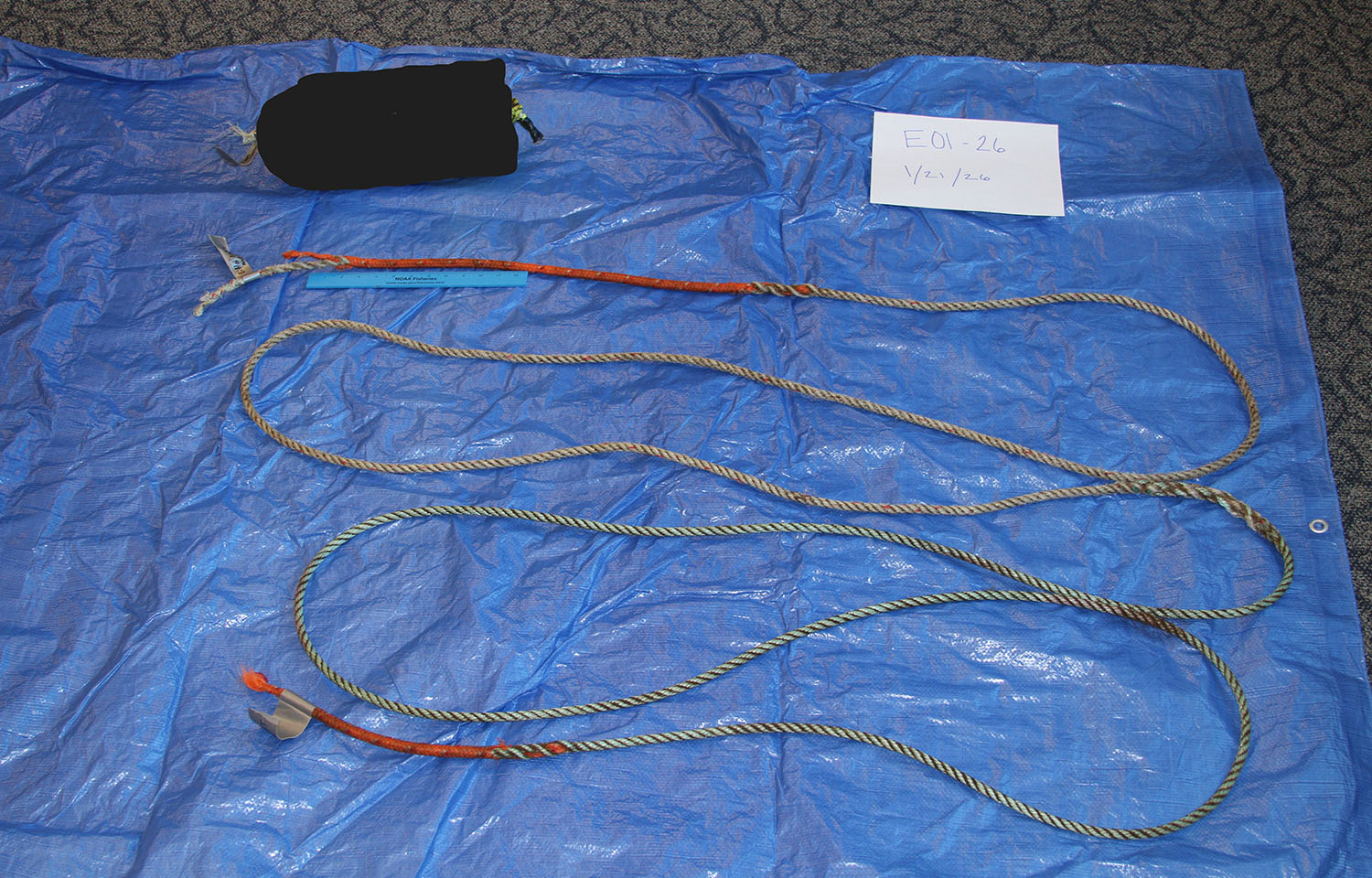
NOAA also spotted an entangled whale on 17 January off the coast of Massachusetts. That gear was ultimately removed, and NOAA eventually identified that the gear it was entangled with came from a single lobster trap set in Massachusetts state waters based on gear markings.
The critically endangered species has been the subject of intense debate over the role of the lobster and crab fisheries in its decline. The U.S. lobster industry underwent years of court battles over proposed regulations intended to protect the whales, which the industry claimed would devastate the economic viability of the fishery. Those regulations were created in response to a court decision which found the fishery violated the Endangered Species Act.
Eventually, a federal judge vacated the biological opinion that formed the basis of that Endangered Species Act case, and the U.S. Senate issued a six-year reprieve on new regulations in 2022.
