





The defense for Chilean businessman Isidoro Quiroga and his family has called for the annulment of an arbitration award issued by the Santiago Chamber of Commerce tribunal in favor of salmon-farming firm Australis.
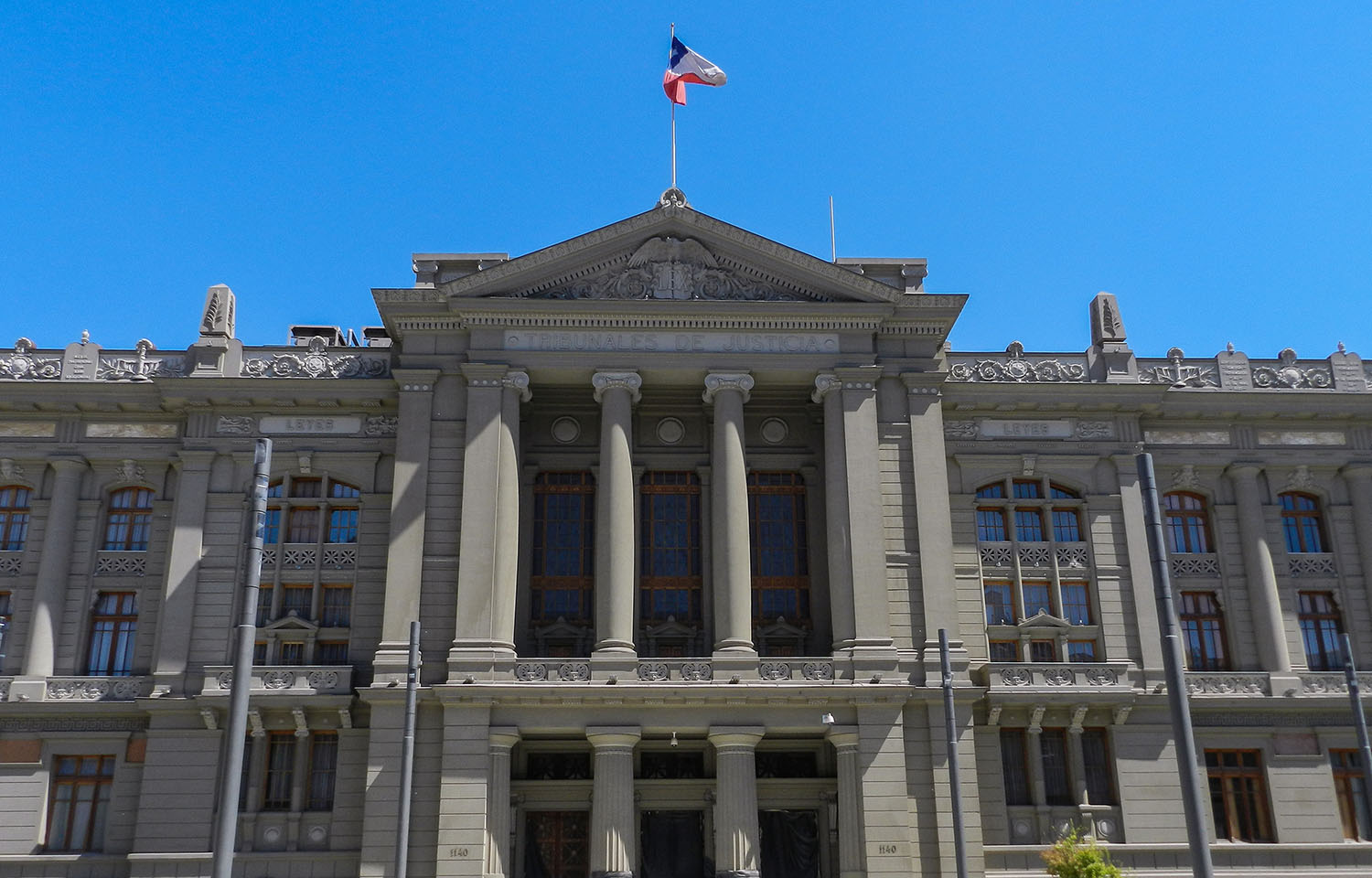
Asesorías e Inversiones Benjamín, which represents the Quiroga family’s interests, filed the appeal on 3 October at the Santiago Court of Appeals, requesting the decision in favor of Chinese seafood firm Joyvio be overturned. That ruling ordered Quiroga – the previous owner of Australis – and members of his family to pay USD 292 million (EUR 252 million) to Joyvio, which currently owns the company.
Joyvio purchased Australis from Quiroga in 2018 for USD 921 million (EUR 796 million). Following the sale, Joyvio alleged Quiroga and the board of directors hid, falsified, and adulterated critical information during the sale’s due diligence process – including what the company now deems was deliberate overproduction to inflate salmon production numbers and, therefore, the company’s valuation when it came time to negotiate a sale.
In 2023, Joyvio filed a lawsuit against Quiroga seeking USD 1.22 billion (EUR 1.05 billion) in restitution and damages and accused Quiroga and former Australis executives of fraud and unfair administration. The defendants have called the accusations “falsehoods and slander,” questioning why the accusations surfaced years after the purchase.
After more than two years of trial, in August the Santiago Chamber of Commerce tribunal issued the sentence against Quiroga for what it said was overpricing. The figure – much lower than that requested by Joyvio – includes USD 217 million (EUR 188 million) as a base amount, and an added USD 75 million (EUR 64.8 million) for interest accrued since 2019.
Despite the lower award, Asesorías e Inversiones Benjamín asserts the violations listed in the tribunal decision are “extremely grave,” and said the award for a partial refund violates the fundamental principles and rules of Chilean law since it was not requested or discussed by the parties.
The violations under the award are “repugnant to the most elementary sense of morality and justice, severely affecting the right to be heard, congruence, legal certainty, the development of business, and confidence in arbitration as a system of conflict resolution,” Inversiones Benjamín said in a statement sent to SeafoodSource.
In an effort to expedite civil lawsuits and forego lengthy legal processes in an already strained state arena, parties can agree to resort to unbiased, extrajudicial third parties – such as the case here with the Santiago Chamber of Commerce – for conflict resolution, where the rulings are binding.
However, according to the appeal, “the invalidation of an aberrant decision such as the [Australis] award is essential for Chile to continue to be [considered in] a serious arbitral position and for the arbitrators to perform their work adequately. In fact, the world's leading arbitral jurisdictions do effectively and decisively annul arbitral awards that, like the award, violate the most fundamental notions of justice and morality,” Inversiones Benjamín said. “Otherwise, economic agents will simply stop using Chile as an arbitral venue, while arbitrators would have carte blanche to violate the most basic principles of morality and justice.”
The Santiago Chamber of Commerce’s Center for Arbitration and Mediation (CAM) is a non-profit institution founded in 1992 under the auspices of the chamber. The center focuses on conflict resolution, providing the domestic and international community with mechanisms such as mediation, arbitration, and dispute boards.
CAM has presided over 6,526 national and international arbitrations, 800 mediations in civil and commercial matters, and 46 emergency arbitrations. However Asesorías e Inversiones Benjamín’s latest appeal claims the award favoring Australis may call the CAM’s prestige into question.
The appeal was complemented with expert legal testimony by five specialists. According to Gary Born, one of the world’s leading authorities on international arbitration, “the CAM award, in many respects, is one of the most aberrantly flawed rulings I have seen in my career, and [its annulment] will properly incentivize arbitrators in Chile and elsewhere to do their jobs properly.”
Yves Derains, former Secretary General of the International Court of Arbitration of the International Chamber of Commerce (ICC) and Director of the Legal Department of the ICC, stated that an award so drafted would not pass the scrutiny of the ICC’s Court of Arbitration.
For his part, International Arbitration Center of Madrid President José María Alonso said the award should be annulled in accordance with the law, adding that it would not be recognized or executed in Spain.
And in Chile, law professors Daniel Peñalillo and Raúl Tavolari warned that the award compromised the integrity of the arbitration process and if allowed to move forward, it would set a dangerous precedent.
Australis did not respond when contacted by SeafoodSource for comment.
It has previously stated it would pursue civil and criminal actions against those it said were “responsible for the systematic policy of overproduction and its concealment,” which it asserts took place from 2016 to the tune of more than 80,000 metric tons of salmonids.
Subsequently, it implemented a program to cut production from 2023 to 2027 in order to compensate for the denounced overproduction committed prior to the sale.
Joyvio Food, a subsidiary of Joyvio Group, completely divested from Australis in April, selling its stake to a fellow firm also under the umbrella of Joyvio Group for the symbolic price of CNY 1.00 (USD 0.14, EUR 0.12). Australis was transferred to Joyvio Premium Fresh to consider “potential strategic options” for the firm, which may include attracting new investors to enhance working capital and support future expansion plans.
