


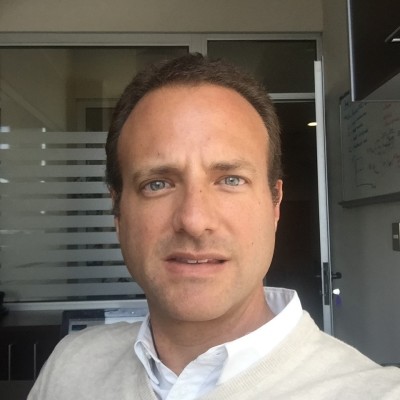
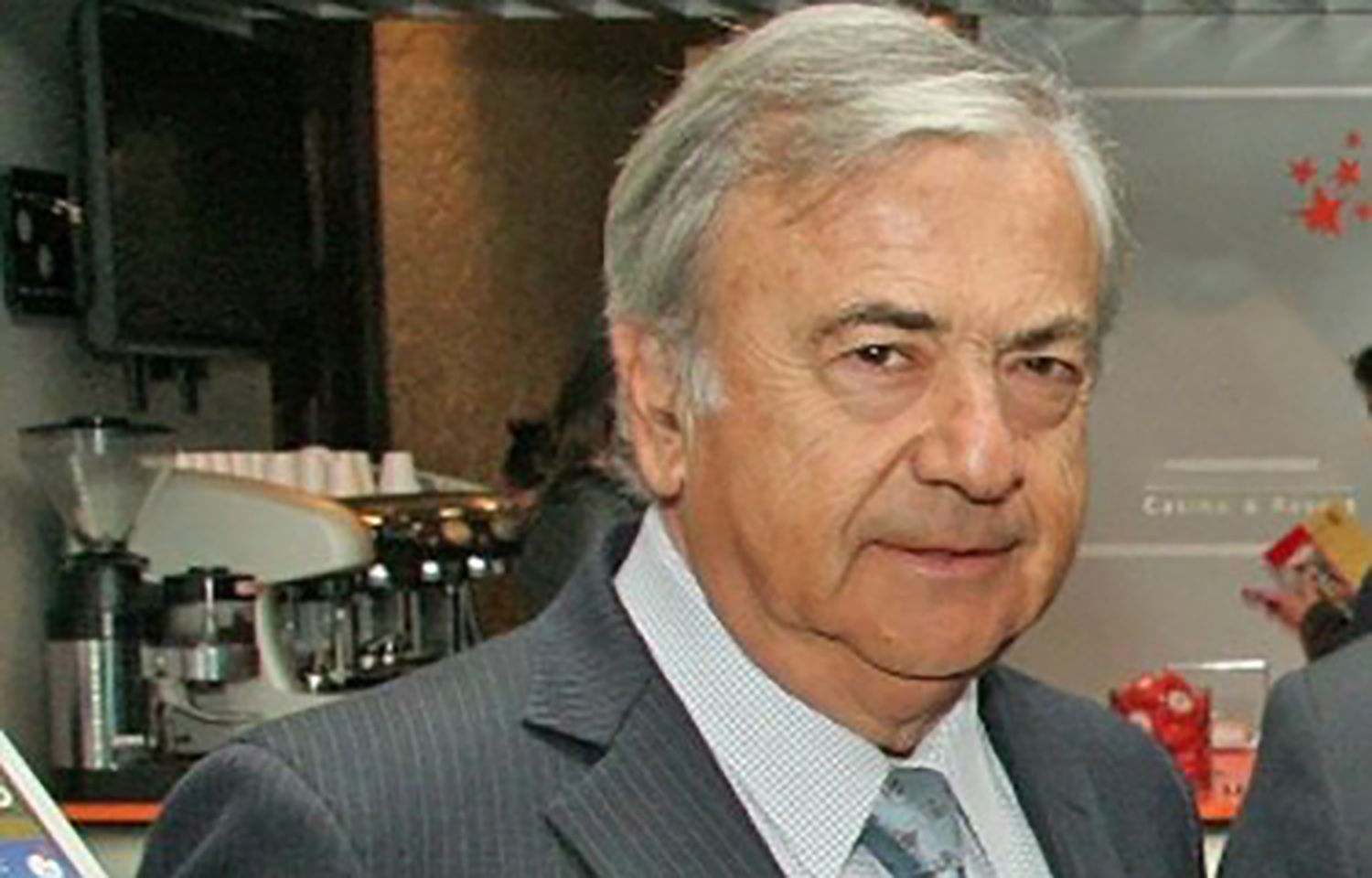
The Public Prosecutor’s Office of Chile recently informed involved parties that it aims to formalize allegations brought by Chinese foodservice group Joyvio against businessman Isidoro Quiroga and former executives at salmon-farming firm Australis regarding the sale of the company six years ago.
Quiroga sold Australis to Joyvio in 2018 for USD 921 million (EUR 871 million).
Following the sale, Joyvio alleged Quiroga engaged in hiding, falsifying, and adulterating critical information during the sales process, including what the company now deems was deliberate overproduction to inflate salmon-production numbers and, therefore, the company’s valuation when it came time to negotiate a sale.
Joyvio subsequently filed a lawsuit against Quiroga seeking USD 1.22 billion (EUR 1.15 billion) in restitution and damages and has accused Quiroga and former Australis executives of fraud and unfair administration.
In November of this year, Prosecutor Constanza Encina was granted authorization to review the emails of 11 of Australis’s former directors and executives, including Quiroga, his sons Isidoro and Benjamín, and others.
Following that authorization, on 6 December, the prosecutor's office decided to formalize Quiroga, as well as former Australis president Martín Guiloff and former administration and finance manager Santiago Garretón, for the crimes of fraud and disloyal administration.
Joyvio lawyers Gabriel Saliaznik and Jorge Bofill said that Chile’s decision to formalize the case confirms the efforts Joyvio and Australis have made since they first brought criminal complaints.
“Multiple antecedents have been patiently and rigorously gathered in the investigation that have led the prosecutor's office to take the decision to formalize it responsibly. We are confident that the largest fraud in the history of Chile will not go unpunished,” they told local press.
Quiroga’s lawyer Juan Domingo Acosta, meanwhile, said he was surprised by the latest announcement.
“Before proceeding [in reviewing the former executives’ emails], the prosecutor told us … they were considering formalizing some defendants for some of the crimes charged. The next day, without a request for a hearing or judicial resolution, we were already getting calls from the media to confirm if this was effective,” he said. “This leads us to think that it is a political and media case invented by Joyvio to force an agreement and that the moves from the prosecutor's office, in fact, are unfortunately owing to that strategy.”
The lawyer said the defense will seek “the definitive and total dismissal of the case.”
“We find the actions of the prosecutor's office incomprehensible, and we want to submit the matter to the impartial judgment of the courts of justice,” Acosta said. “We have consulted a dozen very prominent experts in criminal and environmental matters who conclude that even if the facts reported in the complaints were true, which they are not, there would be no crime here.”
Acosta pointed to other suits brought against Quiroga outside of Chile that have failed to provide Joyvio the results it was seeking, saying he is confident the Chile case will end the same way.
On 3 December, the High Court of England and Wales refused to try Joyvio’s case under its jurisdiction and sentenced the Joyvio group to pay GBP 1.2 million (USD 1.5 million) to Quiroga and others in payment of the costs of the trial it brought in London.
Joyvio’s lawsuits against Quiroga have also fared poorly in the United States. In September, the Superior Court of the State of Delaware ruled that it lacked the jurisdiction to hear the case presented by the Asian conglomerate and accepted the defendant’s motion to dismiss the case.
In February, the U.S. District Court for the Southern District of Florida also denied a legal action filed by Joyvio which sought to access movements and documents related to Quiroga's bank accounts at JP Morgan Chase Bank.
Quiroga has called the accusations “falsehoods and slander,” questioning why the accusations surfaced four years after the purchase.
