




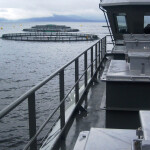

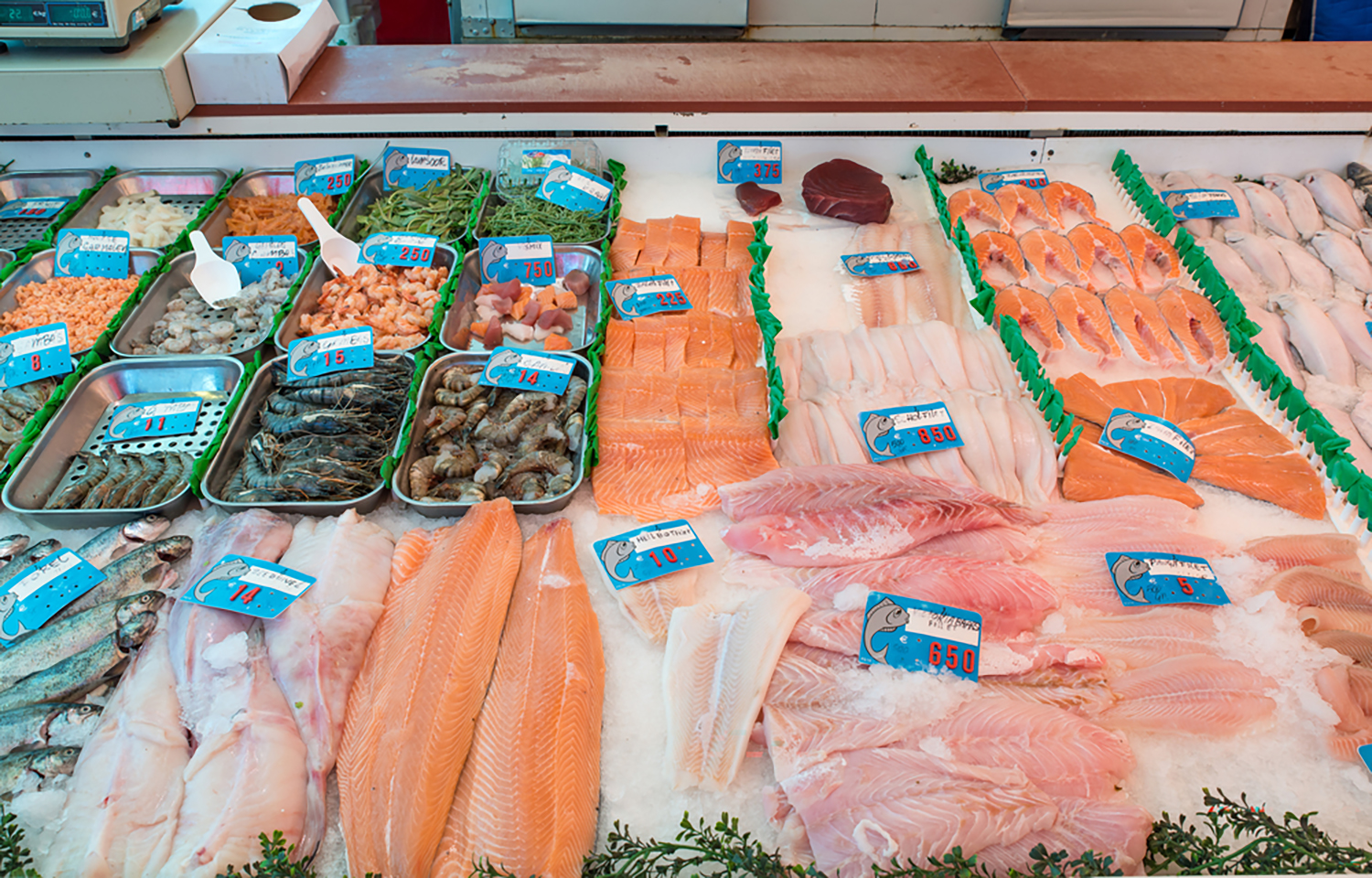
Seafood buying habits in the Netherlands are undergoing a “quiet but profound transformation” as structural constraints in wild capture fisheries, among other factors, are accelerating a rise in the consumption of aquaculture products, according to new analysis from Rabobank.
In its latest report, “Shifting Tides: How supply constraints in wild seafood are reshaping Dutch consumption,” the financial services firm found that aquaculture products now account for roughly 50 percent of seafood consumption in the Netherlands, marking a major turning point for a nation that is a leading seafood trading, logistics, and processing hub and acts as a gateway for seafood commerce across the continent through ports such as Rotterdam and Schiphol Airport.
That change in domestic seafood consumption has taken place steadily over the past decade, according to the report, as traditional wild capture species like cod, plaice, and herring face mounting pressure from constrained supply, rising prices, and changing consumer expectations.
Besides issues facing wild catch operations, the report attributed changing consumption patterns to declining volumes sold at traditional fishmonger and wet market outlets, the rise of large supermarket chains that favor standardized, pre-packed products, and the rapid rise of international cuisine trends, particularly Asia-inspired food formats like sushi and poke bowls.
The result, the report said, is “a structural misalignment” between supply and demand, with the species most available from traditional fisheries not being those most demanded by the public.
Compiled by Rabobank Senior Analyst Gorjan Nikolik, the study labeled the Dutch seafood sector as being “at an inflection point,” with aquaculture-driven categories such as salmon increasingly replacing species historically associated with capture fisheries. Therefore, what was once mainstream is now becoming niche or only available in restaurants, and Nikolik said “sadly,” some products are slowly disappearing.
“I really hope someday aquaculture and breeding technology will bring products like smoked eel back to the mainstream,” Nikolik said.
According to the report, by 2025, salmon accounted for approximately 45 percent of total seafood value and around 35 percent of seafood consumption volume in the Netherlands – far exceeding any other species. It reasoned that this reflects broader shifts in consumer behavior that accelerated during and after the Covid-19 pandemic, explaining that during the pandemic, Dutch consumers increasingly prioritized products that combined health credentials, convenience, and versatility while retailers expanded ready-to-cook, portioned, and meal-based seafood offerings.
Those trends have persisted post-Covid, particularly among younger consumers and urban households, the report said.
“Salmon is not merely a product but a versatile ingredient used across multiple consumption occasions,” the report said, suggesting that wild-caught seafood categories have struggled to adapt to the same degree, particularly where supply volatility and higher prices have reduced retail flexibility.
Other aquaculture species are also steadily gaining market share.
Pangasius now represents around 6 percent of Dutch seafood consumption, while shrimp accounts for roughly 4 percent – both supported by affordability, year-round availability, and compatibility with processed retail formats.
Meanwhile, farmed sea bass, sea bream, and tilapia are also growing from a smaller base, reinforcing what Rabobank described as a “fundamental shift in the structure of supply.”
Rabobank also noted that opportunities are emerging for farmed Atlantic cod production in Norway, which could eventually help address supply shortages affecting traditional whitefish categories in the Dutch market.
Overall, the report explained that aquaculture products are increasingly aligned with modern retail and consumer requirements because they integrate more efficiently into processing, packaging, portioning, and convenience-led product development.
As for how consumption patterns may continue to change in the future, the report said the trajectory of seafood consumption in the Netherlands will heavily depend on whether aquaculture products can continue delivering on convenience, affordability, and sustainability expectations.
“If farmed species continue to evolve in line with consumer expectations … they may not only offset declines elsewhere but also broaden seafood’s appeal to younger generations,” it said.
More broadly, the analysis suggested the Dutch seafood industry is entering a new era in which consumer demand is being shaped less by traditional fishing patterns and more by supply chain resilience, product functionality, and retail integration.
“The future of the market will not be defined by traditional fishing patterns but by how effectively the industry adapts to a new consumption paradigm across the value chain – from aquaculture and processing to retail,” it said.
