



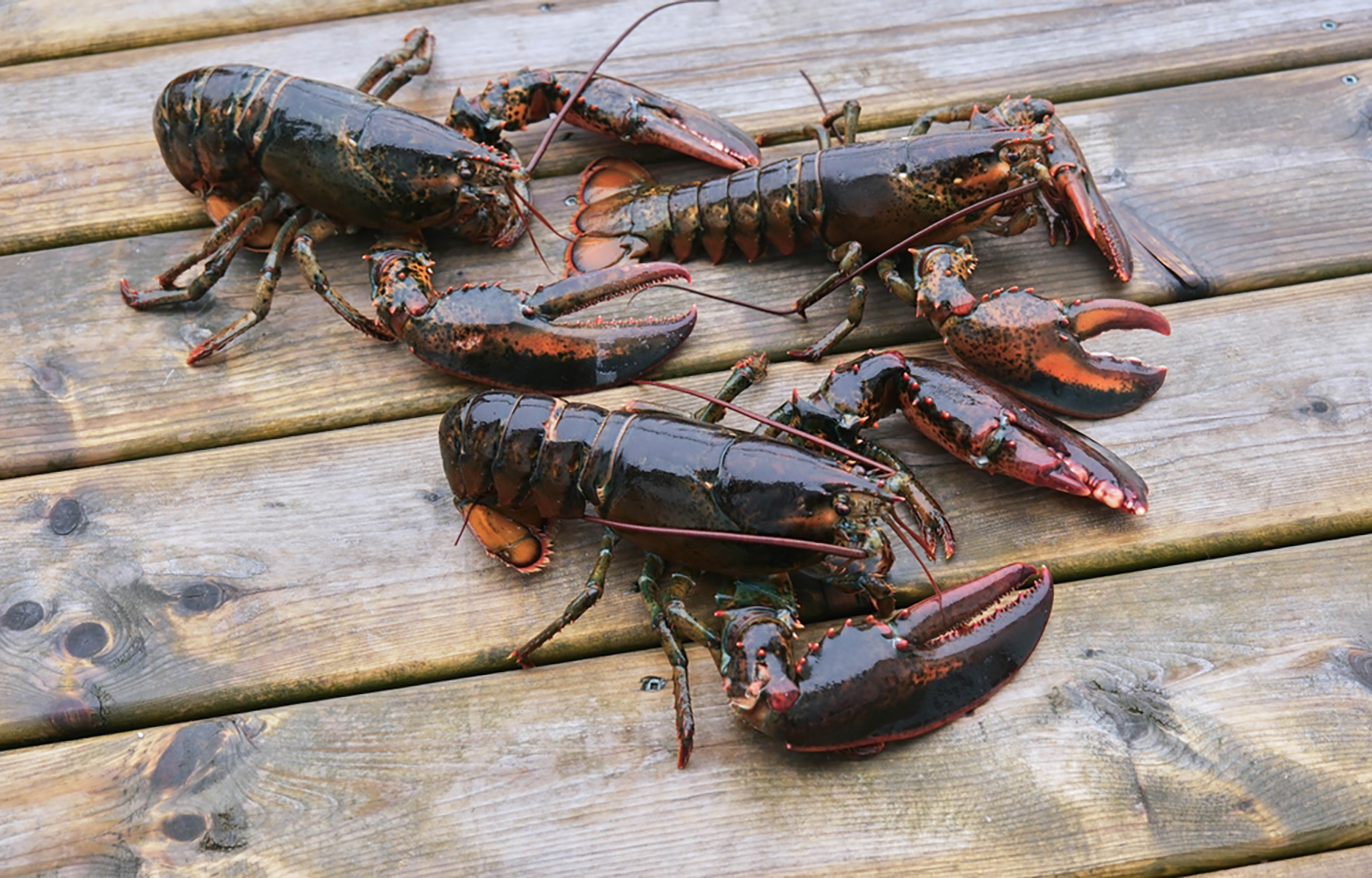
Canada recently announced it struck a deal with China to cut tariffs on seafood products like lobster and crab, starting 1 March and lasting through the end of the year.
While the cancellation of the 25 percent tariff Canadian seafood has faced since March 2025 is likely to benefit exports to China, some experts have stated that Canadian seafood is still set to face many hurdles toward recovering sales in the Asian market.
Fan Xubing, the CEO of Beijing, China-based seafood consultancy firm Seabridge International, told SeafoodSource that Canadian seafood products will face heavy competition from Vietnamese lobster and Russian king crab and, thus, may struggle to gain a foothold.
“The prospects of [increasing shipments of] Canadian lobster to China is not that bright,” Fan said.
Similarly, Landy Chow, the head of China operations at export firm Siam Canadian, said that the lowered tariff rate is “helpful” for Canadian seafood and expects some recovery in demand for Canadian products. However, he said he anticipates that recovery will just be moderate and said several factors could complicate the extent of any rebound in sales.
Besides Vietnamese lobster and Russian crab, Chow pointed to Australian and Indian lobster products that could cause competition for Canadian shellfish. He also emphasized quickly shifting tastes as a potential issue.
“The consumer trends in China change quickly; in these three years, people might eat lobster, but in the next three years, people might eat crawfish,” he told SeafoodSource.
Additionally, Chow said that consumer confidence may also limit Canadian seafood sales in China.
“The economy is not performing well, and government spending on entertainment, of which dining is a big part, is strictly scrutinized,” he said.
For their part, Canadian seafood producers have acknowledged that there are still challenges left to hurdle in the Chinese market.
“We are pleased about the announcement [of redacted tariffs] and expect that it will allow us to regain some of the market share lost to Vietnamese and Australian lobster, along with other species like snow crab from Russia,” said Geoff Irvine, head of the Lobster Council of Canada. “There is no doubt that the domestic [Chinese] economy is a concern, so we will need to be flexible in terms of demand and keep our options open in other markets.”
Kent Smith, the minister for fisheries and aquaculture for Nova Scotia, told SeafoodSource the rapprochement between Canada and China “marks an important development in Canada’s evolving relationship with China.”
“We welcome the cautiously positive signals it sends for our seafood sector,” he said. “For Nova Scotia’s seafood sector, China has long been a critical trading partner, and renewed cooperation could help unlock new export opportunities and strengthen the livelihoods of the workers and communities who depend on this sector. Our sector’s success depends on stability, transparency, diversification, and fair market access.”
