






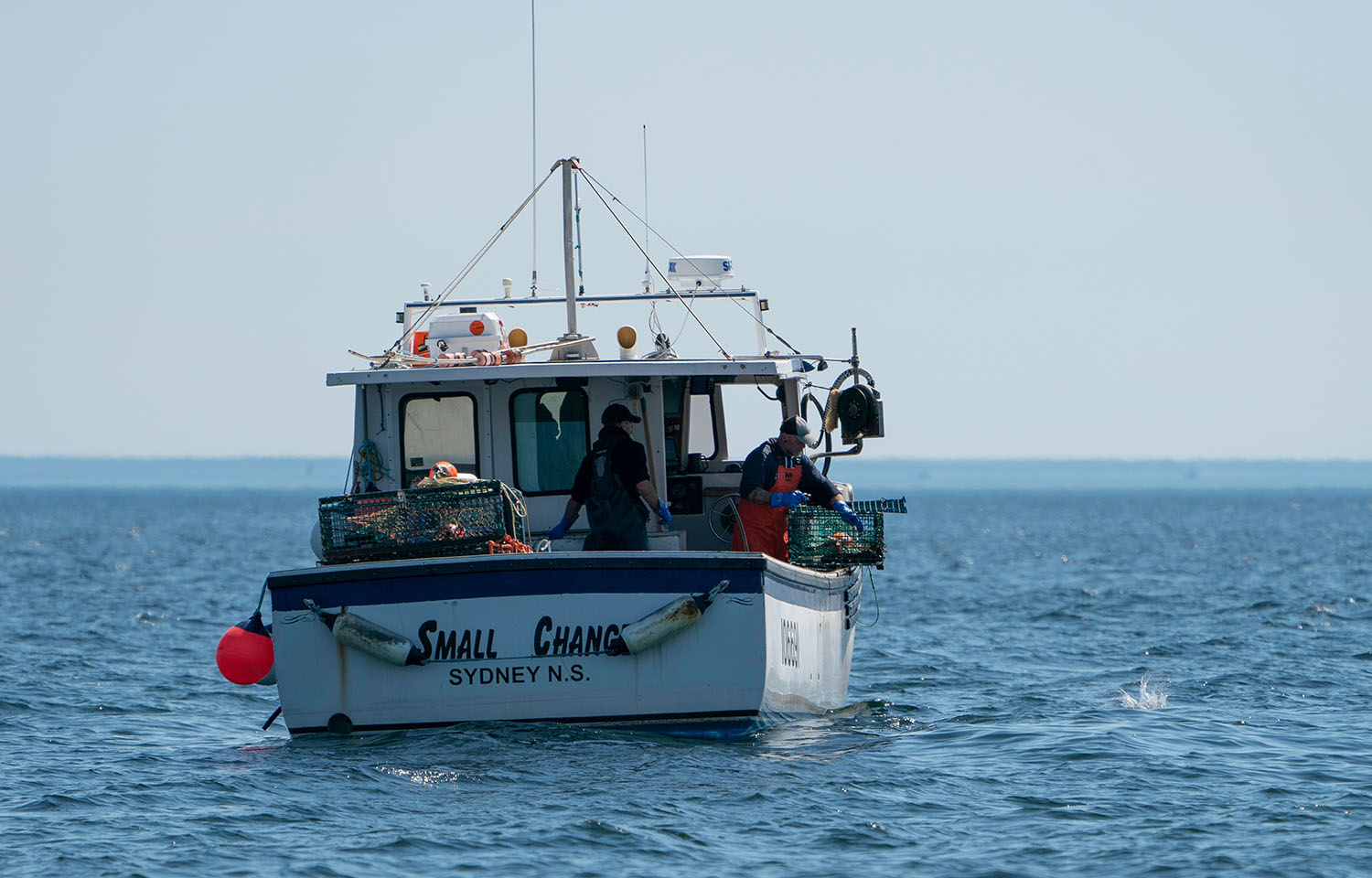
The government of China announced it is imposing 25 percent tariffs on an array of seafood items from Canada, in what it said was a response to Canadian tariffs on certain goods from China.
China’s Ministry of Finance announced the new tariffs on 8 March, and said the new tariffs are in response to a 100 percent tariff on electric vehicles and a 25 percent tariff on steel and aluminum products from China. Canada announced the set of tariffs in October 2024, and said it plans to tariff a range of goods including rapeseed oil, pork, and seafood.
“Canada's measures seriously violate the rules of the World Trade Organization, are typical protectionist practices, constitute discriminatory measures against China, and seriously damage China's legitimate rights and interests,” China’s Ministry of Finance said in a press release.
China’s list of goods subject to a 25 percent tariff increase includes a range of seafood products, including halibut, crabs, lobster, clams, and shrimp. The new tariffs will be imposed from 20 March 2025.
Lobster is one of Canada’s most valuable exports to China, and per Canada’s trade data the industry shipped CAD 74.3 million (USD 51.4 million, EUR 47.5 million) worth of live, fresh, or chilled lobster to the country in January 2025 alone – making up over half of all exports of the species by value. Live, fresh, or chilled crab was also in the top 25 most valuable exports to China, and in January the country sent CAD 29.4 million (USD 20.3 million, EUR 18.8 million) worth of the product.
For the entirety of 2024, Canada’s trade data portal indicates it sent CAD 472 million (USD 326 million, EUR 301 million) of live, fresh, or chilled lobsters to China.
The tariffs add to the Canadian seafood industry’s trade woes as it still faces potential 25 percent tariffs in the U.S. U.S. President Donald Trump first signed the order to implement tariffs in February, only to delay them for one month. Then in early March the tariffs took effect for two days before they were ultimately delayed again until 2 April.
Lobster Processors Association Executive Director told the CBC China’s decision to add tariffs of its own complicates things for the indstury even more.
"It just adds to the craziness we've been dealing with, the uncertainty," he said in an interview.
China is the largest live lobster market for Canada by far, he added.
Tangier Lobster Owner Stewart Lamont told the Chronicle Herald the tariffs from both the U.S. and China will be difficult to deal with.
“For America and China to simultaneously, and for entirely different reasons, target Canadian seafood is incredibly poor luck, and beyond that it is incredibly hard to comprehend,” he said.
