






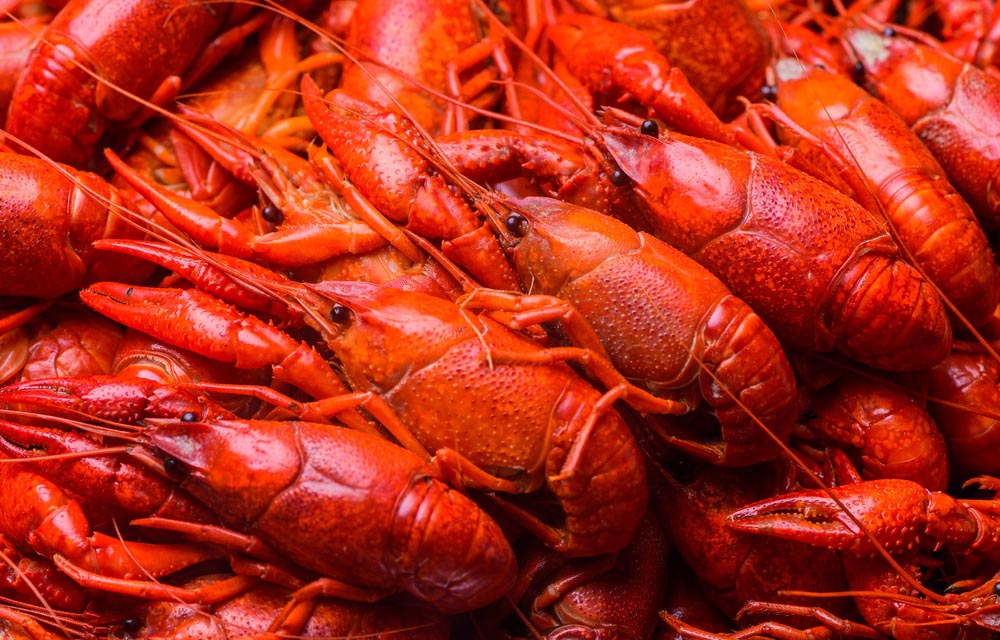
U.S. Senator Bill Cassidy (R-Louisiana) has introduced the Home Market Restoration Act of 2026, a bill designed to limit imports of crawfish, shrimp, and catfish by setting higher duty rates once designated quotas are reached.
“Louisiana producers can compete with anyone if trade is fair,” Cassidy said. “Whether it is crawfish, shrimp, rice, or catfish, America cannot let foreign competitors flood our markets and push our producers out of business.”
The legislation would establish tariff-rate quotas for several agricultural products, setting quotas for how much of each product can be imported from individual countries. Once those levels are reached, higher duty rates would be applied to additional imports from those countries. In addition to shrimp, crawfish, and catfish, the legislation targets rice, honey, lamb, goat meat, live cattle, and beef.
“American shrimp processors strongly support the Home Market Restoration Act of 2026,” American Shrimp Processors Association President Trey Pearson said in a release. “Domestic shrimp producers have struggled with wave after wave of unfairly traded shrimp imports for decades, and we support every effort to combat these imports and give our industry a chance to compete.”
The bill text sets quotas of 13,063,460 kilograms of shrimp from Argentina, 181,164,793 kilograms of shrimp from Ecuador, 267,256,624 kilograms of shrimp from India, 126,461,553 kilograms of shrimp from Indonesia, 13,199,538 kilograms of shrimp from Mexico, 2,948,350 kilograms of shrimp from China, 25,673,328 kilograms of shrimp from Thailand, 58,876,290 kilograms of shrimp from Vietnam, and 2,721,554 kilograms of shrimp from any other country. Once those levels are reached, additional imports from those countries will be subject to a duty of 40 percent ad valorem.
“For years, foreign producers have dumped surplus shrimp on the U.S. market with no regard for what our market can absorb, and American shrimpers have paid the price," Southern Shrimp Alliance Executive Director Blake Price said in a release. "Senator Cassidy's Home Market Restoration Act puts country-specific limits on that flood, so trade stays fair instead of just one-way. This bill is exactly the kind of fix our nation needs to ensure food security."
At current import levels, those quotas would result in additional duties on thousands of kilograms of shrimp. India, for example, exported 300,000 metri tons (MT), or over 300 million kilograms, of shrimp to the U.S. in 2025. Ecuador would also be hit by additional duties, considering the country exported 231,804 MT of shrimp to the U.S. Indonesia, however, only exported roughly 123,000 MT, meaning it would have avoided any additional fees.
The legislation would also set country-by-country quotas for crawfish imports from a handful of countries, including 635,030 kilograms of crawfish from Egypt, 100,924 kilograms from Japan, 3,719,462 kilograms of crawfish from China, 725,749 kilograms of crawfish from Spain, and 63,503 kilograms of crawfish from Vietnam. After those levels are reached, crawfish from those countries – excluding Japan – would face a duty rate of 402.5 percent ad valorem, up from 302.5 percent. Other countries would have a quota of 7,258 kilograms of crawfish before facing an increased duty rate of 251.3 percent, up from 151.3 percent. That rate would also apply to imports from Japan above their quota.
The bill also targets siluriformes fish imports, setting a quota of 5,800,000 kilograms from China, 84,000,000 from Vietnam, and 45,000 kilograms from all other countries. Those imports would see a duty rate of 50 percent ad valorem, which would increase to 200 percent after the quotas are reached.
