






U.S. shrimp import data from 2025 showcased the impact of tariffs on shrimp-producing countries, existing trade partnerships, and the American consumer market.
In a recent update to readers, ShrimpInsights founder Willem van der Pijl said that while total U.S. year-over-year import weights and values were up marginally in comparison to 2024, the stark difference between import weights and values in the first half of the year and the second demonstrated the impact of U.S. tariffs.
“The year clearly split into two phases,” van der Pijl said.
"Exceptionally strong” import weight growth in the first half of the year, he said, meant that U.S. imports still increased year over year by 2 percent, reaching 795,641 metric tons (MT). Value also increased 9 percent over 2024’s totals, hitting USD 7.03 billion (EUR 5.96 billion).
Year-over-year growth in both categories, however, was diminished by falling volumes and prices in the second half of the year, as retailers scrambled to reorganzie their supply chains in response to tariffs and other trade disruptions. October, November, and December all saw U.S. import volumes dropping in comparison to 2024, at rates of 21 percent, 14 percent, and 11 percent, respectively.
Though India still exported the most shrimp to the U.S. over the course of the year, the nation’s exports were hugely affected by U.S. tariffs, which climbed to 50 percent mid-year before an early February trade deal reduced them again to 18 percent. Despite increasing the volume of its exports every month until August, India saw big declines in its U.S. exports in the second half of the year, with its October exports falling 57 percent below the 2024 rate for the same point in the year.
Ecuador capitalized on a comparatively favorable U.S. tariff rate of 10 percent to expand its share in the U.S. market and saw its total exports valued at USD 7.47 billion (EUR 6.34 billion), up from USD 6.07 billion (EUR 5.15 billion) in 2024.
In October 2025, in fact, Ecuador surpassed India’s U.S. export volumes by weight for the first time, with 22,015 MT in exports sent to the U.S., a 52 percent year over year growth. November and December followed the same pattern, with Ecuador’s export volume surpassing India’s. While Ecuador’s year-end totals didn’t surpass those of India (which hit 300,051 MT, a 1 percent year over year growth), the nation ended the year having exported 231,804 MT to the United States, an 18 percent year over year growth.
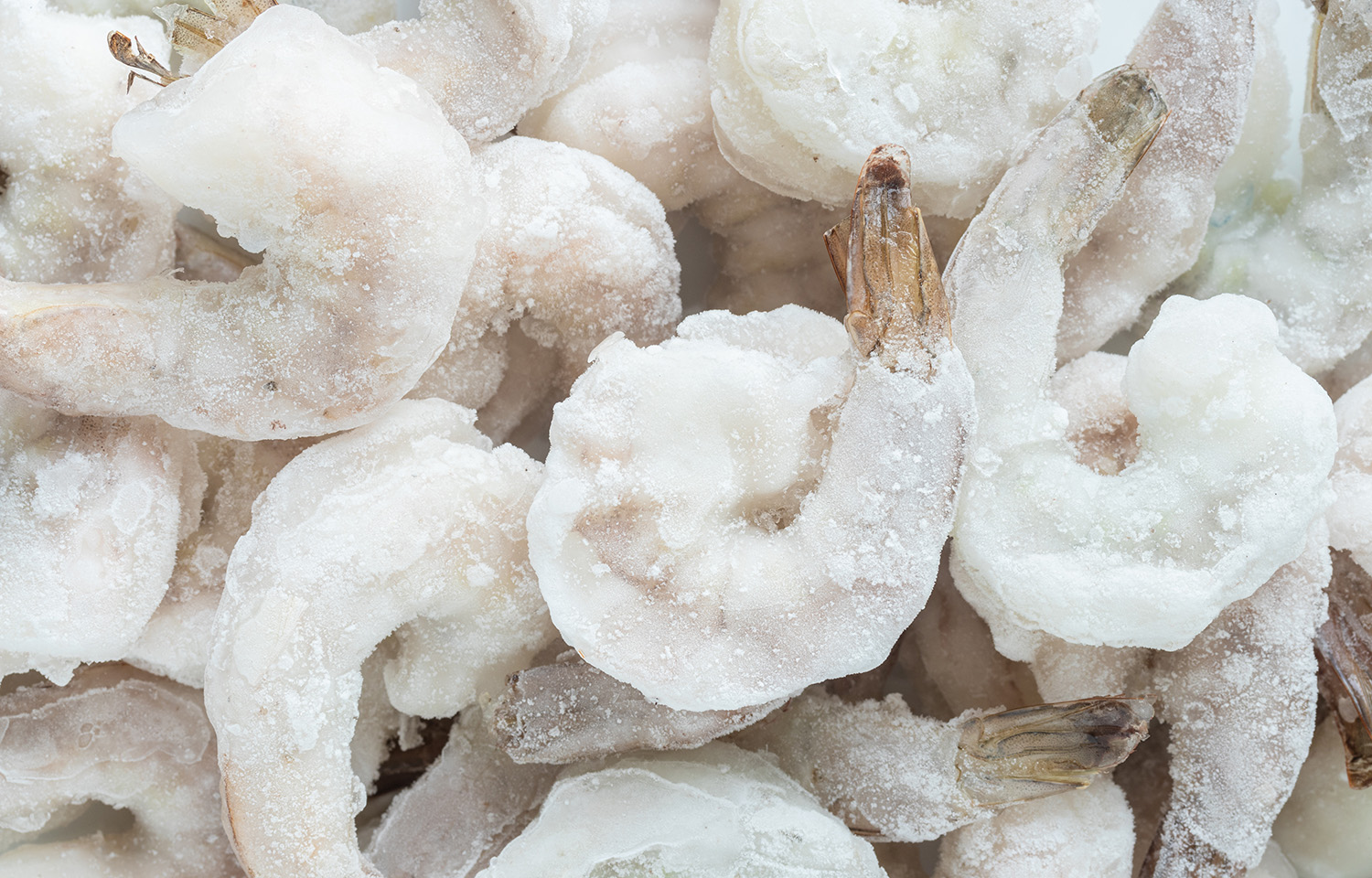
The most popular import product in the U.S. was peeled frozen shrimp, imports of which hit 408,408 MT (a 6 percent year over year increase), according to ShrimpInsights.
In another update on India’s 2025 totals globally, van der Pijl said that Indian exporters had managed to grow the global market for Indian shrimp despite the year’s trade disruptions by planning ahead and changing course when necessary.
“The intra-year pattern clearly reflects preloading into the US market ahead of reciprocal tariff measures, followed by a sharp correction from August onwards,” said van der Pijl. “That correction, however, did not derail the annual growth story, as India successfully redirected volumes into alternative markets.”
